

Stones in Muslim tradition
Aqeeq Rings for Men: Silver, Custom and Choosing a Stone مردوں کے لیے عقیق
In short: Traditionally, a man's aqeeq ring is one stone set in silver and worn on the little finger, after reports of the Prophet's own silver ring. Silver is the usual metal because most scholars discourage gold for men. Which hand to wear it on varies by community, and Shia custom usually favours the right.
By tradition, a man's aqeeq ring holds a single stone set in silver and is worn on the little finger, following reports of the Prophet's own silver ring. Communities differ on which hand to wear it. Below we explain those customs, how Yemeni and Iranian aqeeq differ, and how to make sure a stone is natural.
- Customary metal
- Silver
- Customary finger
- Little finger
- Hand
- Right or left; custom varies
- Hardness
- 6.5–7 on the Mohs scale
On the tray today
Shop aqeeq for men's rings
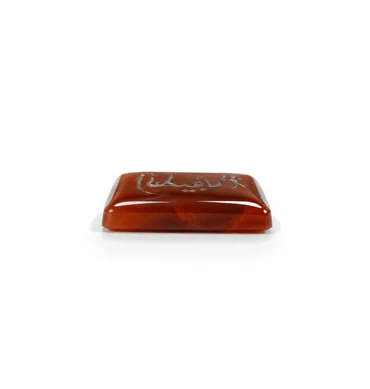
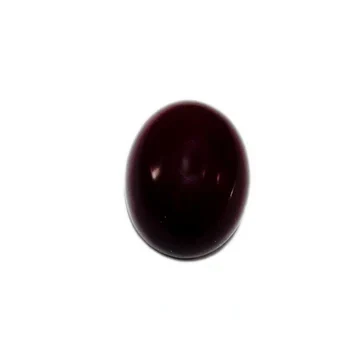
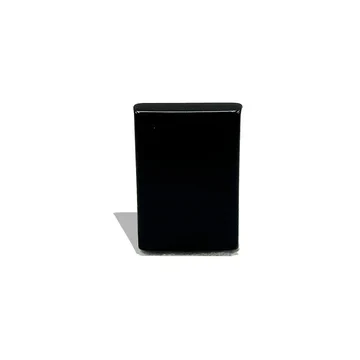
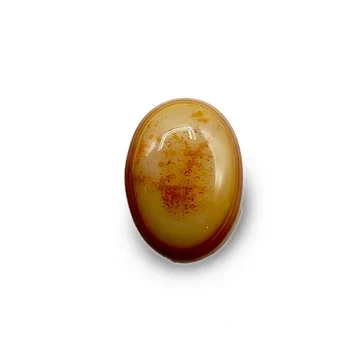
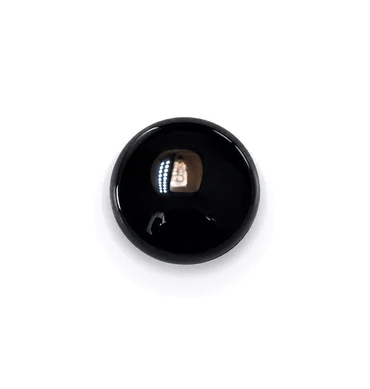
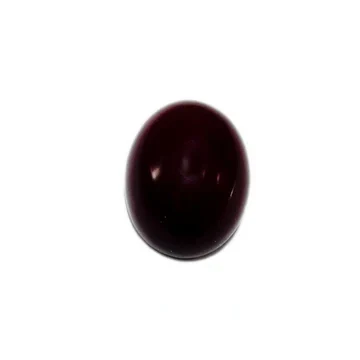
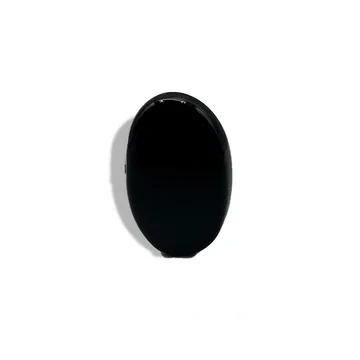
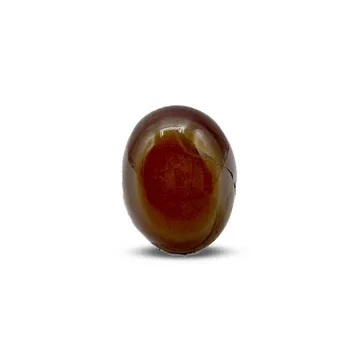
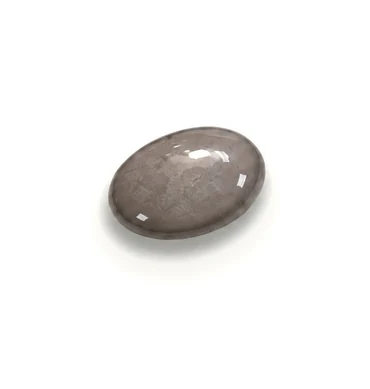
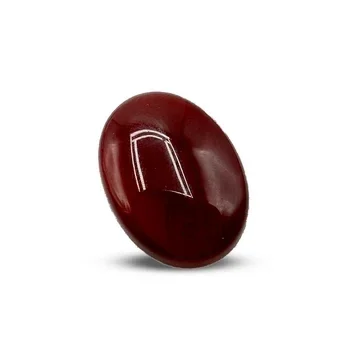
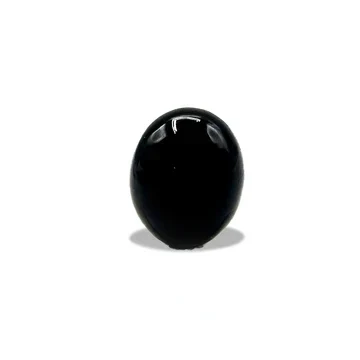

Written by Sameer
Reviewed on
Traditional belief vs gemmology: anything on this page about luck, protection, planets, healing or religious tradition describes traditional and cultural beliefs — not proven effects, religious rulings or medical advice. A stone's identity, hardness, treatment and origin are gemmology, which a lab can test; the references at the end of the page cover that side.
Where the custom comes from
According to reports in the major hadith collections, the Prophet Muhammad (peace be upon him) wore a silver ring engraved so that it could serve as his seal. That is why many Muslim men wear a single ring and see it as following the Sunnah. Narrations that praise aqeeq by name are quoted widely too, though scholars grade them differently. In Shia practice, sayings attributed to the Imams recommend aqeeq, and an aqeeq ring is a common present when a young man comes of age, marries, or leaves for travel or Hajj. All of this is custom and belief; for a ruling on any point, please ask a scholar.
The reason for silver
In Muslim practice silver is the usual metal for a man's ring, since most scholars discourage men from wearing gold. It also happens to flatter the warm reds and browns of aqeeq. A bezel setting, where a band of metal circles the stone, guards the edges against everyday knocks. If your stone is translucent, ask the jeweller for an open or thin back so light can pass through it.
Choosing the hand and finger
- Finger: the reports describe the ring on the little finger, and some narrations discourage the index and middle fingers. The little finger is the overwhelming favourite.
- Hand: both right and left are mentioned in the reports, and Sunni practice allows either. Shia custom usually prefers the right.
- Washroom: out of respect, many people take off a ring engraved with Allah's names or Quranic words before going in.
Having a ring made? Our ring size guide explains how to measure your little finger at home.
Yemeni aqeeq compared with Iranian aqeeq
Both are agate. The names describe a style of stone more than a proven place of origin.
Yemeni aqeeq
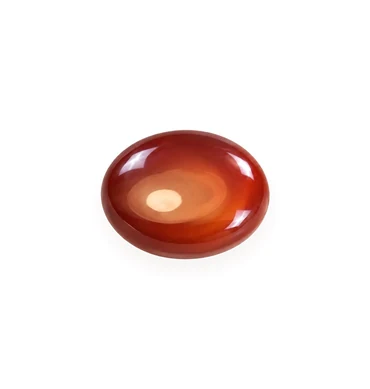
This name goes with deep red, liver red and dark orange stones. They are translucent and glow from within when you shine a torch through them, and the colour is usually even with only faint, gentle banding. It has the oldest reputation, and it is what most men ask for first.
Iranian aqeeq
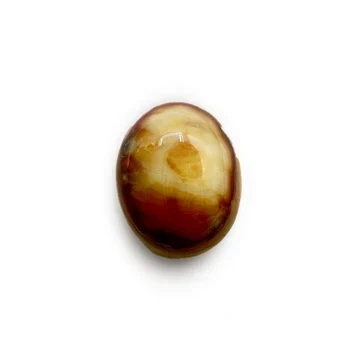
Iranian aqeeq is a broader group: browns, oranges, honey shades and banded stones, plus the patterned agates many shops sell as "Khorasani". The banding and patterns are usually easier to see, and some of these stones let less light through.
The limits of an origin label
No seller can prove where a stone came from by looking at it. Judge the stone itself: its colour, its glow, its polish and whether it has been dyed. A fine stone is fine whatever name is on the tag.
Checking that aqeeq is genuine
- Torch test: natural carnelian glows a little unevenly, brighter in some spots than others.
- Bubbles: neat, round bubbles under a loupe tell you it is glass.
- Dye: unusually bright, flat colour, or colour collecting in cracks, points to dye. Dyed agate is only acceptable when the seller says so.
- Touch: agate feels cool and holds that coolness for a moment, while plastic feels warm and light.
Each of these tests is explained fully in our article on spotting dyed and glass aqeeq.
Finding the right stone
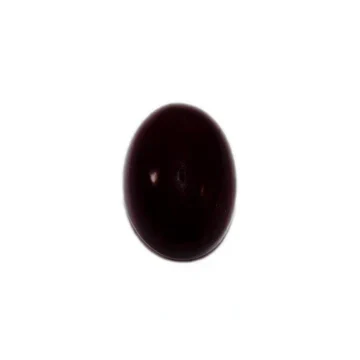
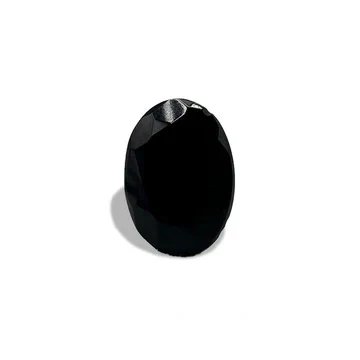
For the traditional look, go with red agate. For a formal ring, black agate works well, and if you like pattern, try Sulemani agate. We photograph every stone on its own, so what you see on the page is exactly what reaches you. With Cash on Delivery you open the parcel and check the stone before paying the rider; in Karachi it usually arrives within 1–2 working days, and in other major cities within 2–4.
References
Related
