

Gem Notes
Learn the stone before you buy it
Straight answers on identifying, pricing, choosing and caring for natural gemstones — written for buyers in Pakistan, with the Urdu names you already know.
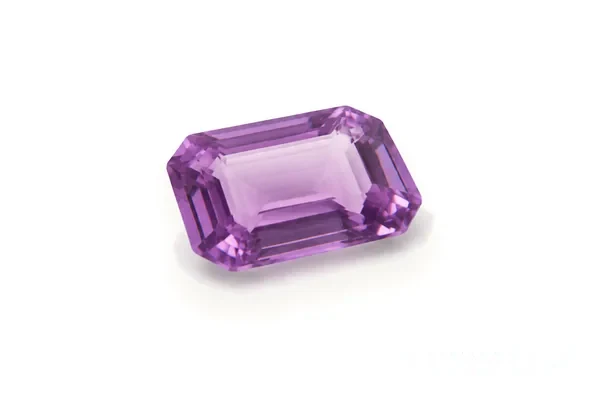 Featured guide
Amethyst Care: How to Keep Jamunia From Fading
Jamunia is hard enough for everyday wear, yet its purple is more fragile than the hardness number suggests. The colour comes from traces of iron and natural irradiation inside the quartz, and strong heat or long spells i…
Read the guide
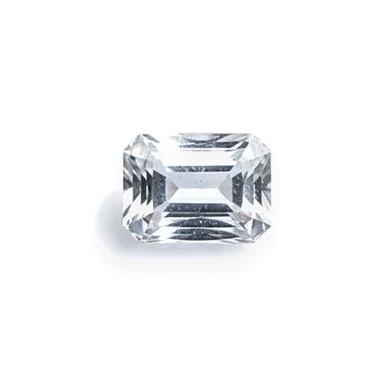 The beliefs around beruj, and the practical choices before a ring is made Aquamarine (Beruj): What Tradition Says and How to Set It Well
Beruj, or aquamarine, is the blue member of the beryl family, which also gives us emerald. Its name means "sea water". Some of our customers…
Read
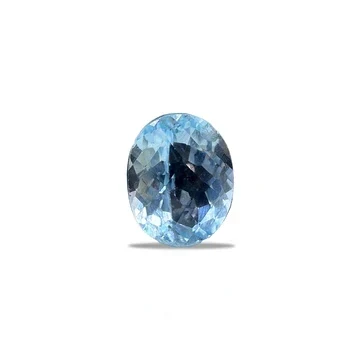 What sellers rarely tell you about blue topaz Blue Topaz Explained: The Treatment, the Shades and Wearing It
Blue topaz gives you a lot of bright blue for a modest outlay, which is why people buy it for jewellery and, in some cases, for traditional…
Read
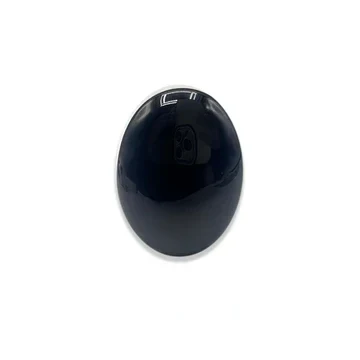 Black sang-e-sulemani, explained plainly Buying Black Agate for the First Time: What Sellers Leave Out
Black agate costs very little compared with most stones, so it is often the first gem people buy. Cheap does not mean careless, though. A fe…
Read
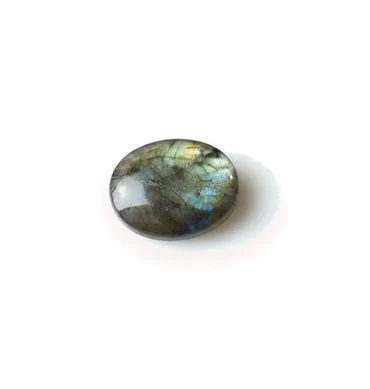 Labradorescence in plain terms, for anyone buying their first piece Buying Labradorite: How to Judge the Flash
Labradorite is a feldspar that can sit there looking plain grey and then, with a small turn, light up peacock blue, green, gold or orange. T…
Read
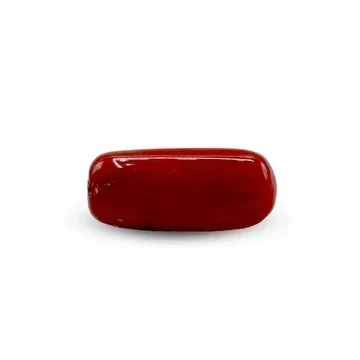 An organic gem, and the checks that actually work Buying Marjan: A Plain Guide to Choosing Red Coral You Won't Regret
Red coral, marjan or moonga as most people here call it, isn't a mineral. It is the skeleton of tiny sea creatures, made of calcium carbonat…
Read
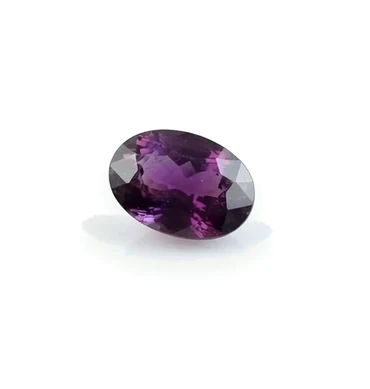 Five checks for anyone new to coloured stones Buying Your First Purple Sapphire: A Straightforward Guide
Purple sapphire is the same mineral as blue neelam and red yaqoot. All three are corundum, and in this case trace elements give it a violet…
Read
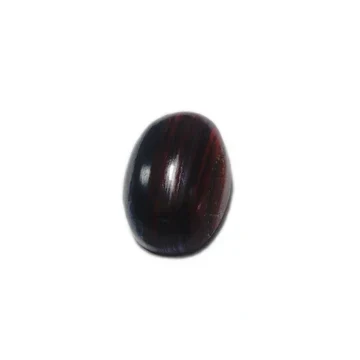 A plain guide to iron tiger eye for first-time buyers Buying Your First Tiger Iron: Bands, Shimmer and Fair Value
Tiger iron, or iron tiger eye, is a banded rock built from three materials stacked in layers: golden tiger's eye, red jasper and shiny grey…
Read
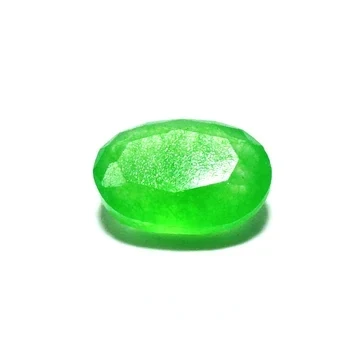 Get the words straight before you spend the money Buying Your First Yashab: Jadeite, Nephrite and the Stones Sold as Jade
Jade, or yashab, is a harder first buy than most stones. It isn't that jade is hard to find. It is that the one word covers two different mi…
Read
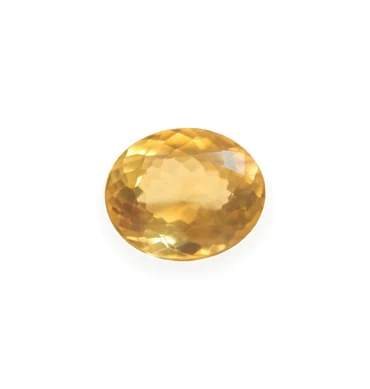 The folklore around sunela, and the two facts to know before buying Citrine (Sunela): Natural or Heated, and What the Tradition Says
Citrine, or sunela, is quartz in yellow to orange. In Pakistan people often buy it as a gentler-priced yellow stone within the Jupiter tradi…
Read
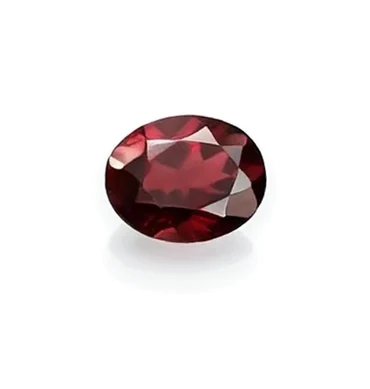 Why two red stones can be priced so differently Garnet Prices Explained: Species First, Then Colour and Size
The first thing to know about garnet prices is that "garnet" isn't one gem. It is a family of related minerals. A deep red almandine, an ora…
Read
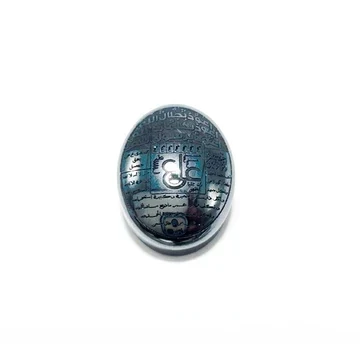 What makes one hematite better than another, and the magnet test that catches fakes Hematite Prices in Pakistan, and How Not to Pay for Hematine
Hematite is iron oxide, the same mineral that turns rust and red soil their colour, polished up into a silver-black metallic mirror. It is n…
Read
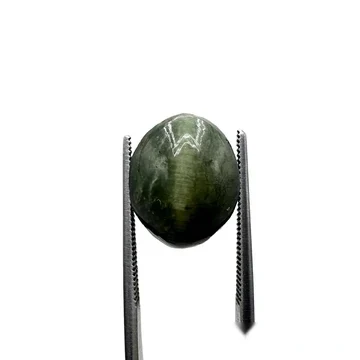 What the trade looks for in a cat's eye How Lehsunia Is Graded: Eye, Colour and Milk-and-Honey
Lehsunia is judged on something most gems simply do not have: one bright line of light that slides across the dome as you turn the stone. Th…
Read
