

Stones in Muslim tradition
Islamic Gemstones: Aqeeq and Other Stones of Muslim Custom اسلامی پتھر
In short: In Pakistan no stone is tied more closely to Muslim custom than aqeeq, the agate and carnelian set in men's silver rings and handed down from father to son. Its place rests on narrations that are often quoted, though scholars grade them differently, and on centuries of practice. Plenty of men wear one aqeeq ring for most of their lives.
Of all stones, aqeeq (agate and carnelian) is the one most bound up with Muslim custom in Pakistan. Men wear it in silver rings, and families pass it down. Its standing rests on narrations that are quoted often, though scholars disagree on their strength, and on centuries of practice. This page explains that tradition, how to pick a natural aqeeq, and the other stones Muslims have traditionally worn.
- Trade name
- Aqeeq (عقیق)
- Mineral
- Chalcedony: agate and carnelian
- Hardness
- 6.5–7 on the Mohs scale
- Customary setting
- Silver ring for men
- Common colours
- Red, brown, black, banded, yellow, white, green
Pages in this guide
- مردوں کے لیے عقیق Aqeeq Rings for Men: Silver, Custom and Choosing a Stone Stones in Muslim tradition Read
- درِ نجف Dur-e-Najaf: Clear Quartz and the Najaf Tradition Stones in Muslim tradition Read
- فیروزہ Feroza in Muslim Tradition, From Nishapur to Your Ring Islamic gemstones Read
- موہِ نجف Moh-e-Najaf: Rutilated Quartz, Its Tradition and How to Buy Islamic gemstones Read
On the tray today
Shop aqeeq and Islamic gemstones
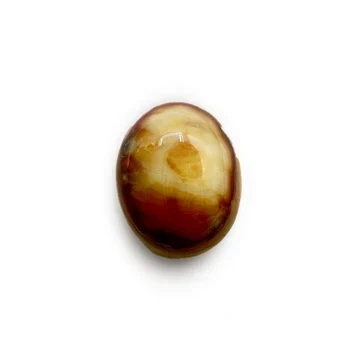
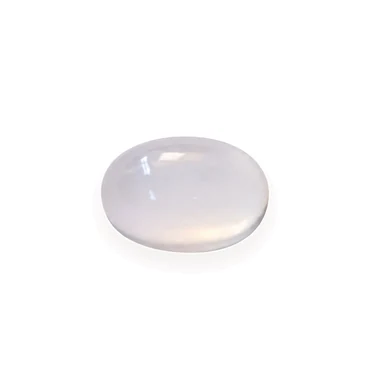
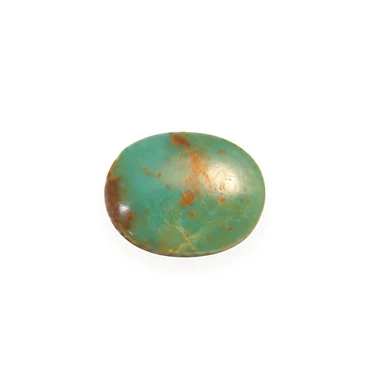
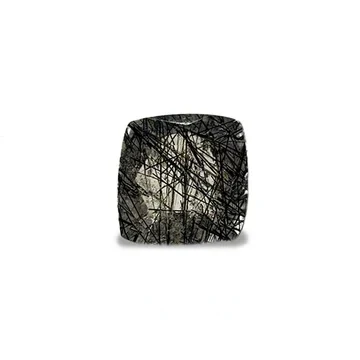

Written by Sameer
Reviewed on
Traditional belief vs gemmology: anything on this page about luck, protection, planets, healing or religious tradition describes traditional and cultural beliefs — not proven effects, religious rulings or medical advice. A stone's identity, hardness, treatment and origin are gemmology, which a lab can test; the references at the end of the page cover that side.
So what exactly is aqeeq?
Aqeeq is the word Arabic and Urdu speakers use for agate and carnelian. Both belong to the chalcedony family: quartz built from crystals so tiny you cannot see them, deposited layer by layer inside hollows in rock. Those layers are what give aqeeq its gentle banding, its cloudy areas and its soft shifts of tone. On the Mohs scale it rates 6.5 to 7, which is hard enough for a ring that never comes off.
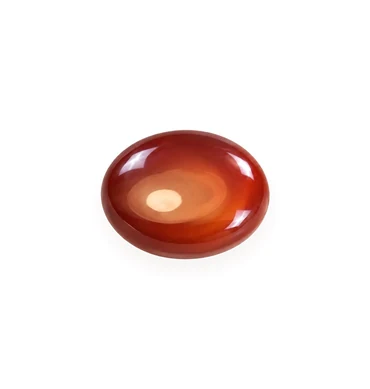
When someone in Pakistan says "aqeeq" without adding anything, they usually mean a red, orange or brown stone. The same mineral appears in plenty of other colours too, each sold under its own trade name, and every one of them is aqeeq as far as the mineral goes.
The place of aqeeq in Islamic tradition
The major hadith collections contain reports that the Prophet Muhammad (peace be upon him) wore a silver ring which he used as his seal. From that ring comes the custom of a man wearing one silver ring, which many Muslims see as following the Sunnah. A number of these reports call the ring's stone "Abyssinian", a word that scholars have read in more than one way.
You will also hear several narrations that praise aqeeq by name. In Pakistan they are painted on shop signs and repeated at family gatherings, and the most famous one encourages believers to wear aqeeq rings and describes the stone as blessed. Hadith specialists do not agree on how strong these narrations are, and many Sunni scholars class them as weak. In Shia devotional writing, advice to wear aqeeq is attributed to the Imams of the Ahl al-Bayt, and Shia families wear it widely. Both traditions have worn aqeeq for hundreds of years, so the custom is deeply rooted in Pakistan whatever grade a particular narration is given.
The stone runs through the wider culture of the Muslim world as well. For centuries, carnelian seal rings were pressed into wax to sign letters and official papers, and engraved aqeeq seals from Iran, Iraq and Central Asia sit in museum collections today. Here at home, an aqeeq ring is a common gift from a father or a grandfather, and many men keep wearing that one stone for decades.
We sell gemstones; we are not religious scholars. If the religious standing of a practice affects your choice, please ask a scholar whose judgement you trust.
What people traditionally hope for from aqeeq
The benefits linked with aqeeq are devotional and traditional. They are matters of belief, not results anyone can promise. These are the ones you will hear about most:
- Protection: families often give an aqeeq ring to a son moving away or to someone about to travel, as a reminder of faith and of the people at home.
- Calm and patience: by tradition the stone is tied to a steady heart and to patience when life gets hard.
- Barakah: many wear aqeeq hoping for blessing in their work and in their home.
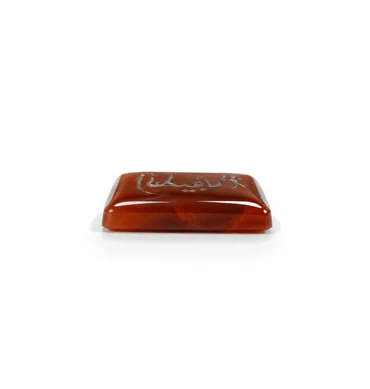
- Remembrance: a lot of stones carry engraved names of Allah, a short dua, the Kalima or a verse of the Quran, so the ring itself reminds the wearer. Practice varies on taking an engraved stone into the washroom, and many people take it off first.
Nothing here is a health or medical claim, and we do not make any. People wear these stones out of custom and personal devotion.
Aqeeq colours
Natural agate gets its colour from iron and other trace minerals. Each shade has people who swear by it:
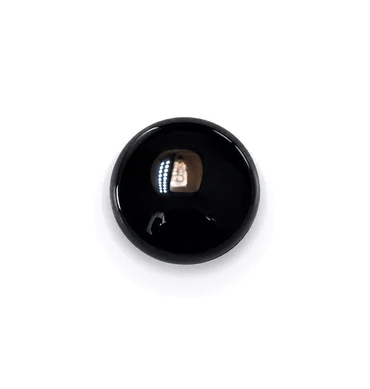
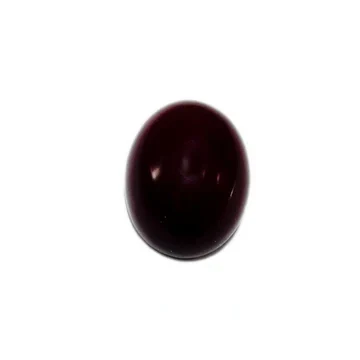
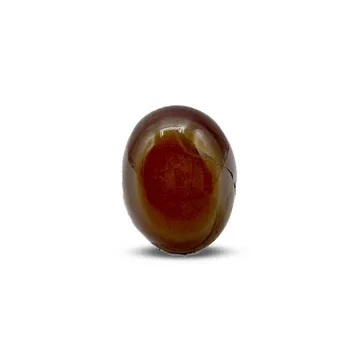
- Red and orange (carnelian): the traditional aqeeq for a man's ring. Browse red agate.
- Black and white bands (Sulemani): popular tradition names it after Hazrat Sulaiman. Browse Sulemani agate.
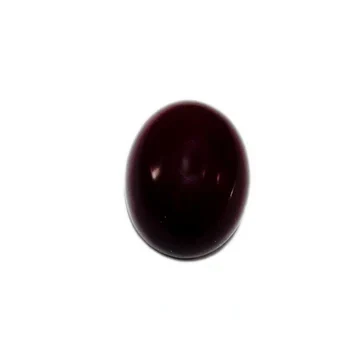
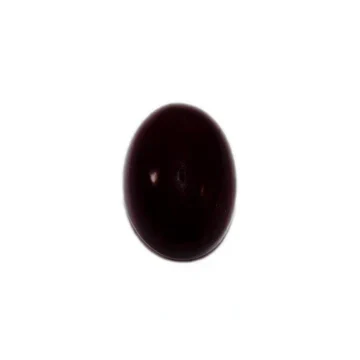
- Black: a favourite for a simple, formal ring. Browse black agate.
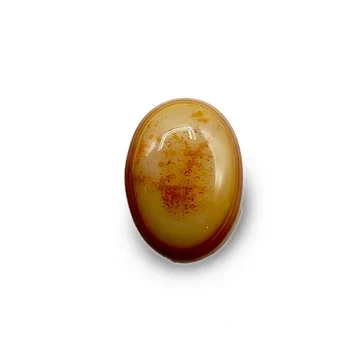
- Yellow and honey tones: browse yellow agate.
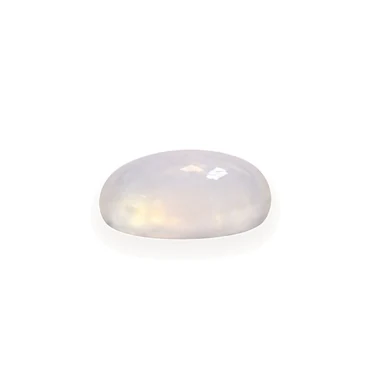
- White and milky: browse white agate.
- Green: browse green agate and moss agate.
Yemeni aqeeq and the rest
No name in the aqeeq trade is older than Yemen. "Yemeni aqeeq" is the label for deep red, translucent stones that seem to glow from within when you hold them up to light. Agate is also mined in Iran, India, Brazil and other countries, and a good share of what is sold in Pakistan arrives by those routes. Nobody can prove origin just by looking, so read any origin label as a description of the look unless a lab report backs it up. Our page on aqeeq for men compares Yemeni and Iranian stones in more depth.
Making sure your aqeeq is natural
Agate is not an expensive stone, so the real risk is dyed agate or plain glass being sold as natural. Check for these things:
- Colour that varies naturally: genuine aqeeq has small changes of tone and gentle bands. Colour that looks flat or painted on should make you cautious.
- A warm inner glow: hold a torch behind a good carnelian and it lights up orange-red from inside.
- No perfectly round bubbles: look through a loupe or your phone's macro lens. Neat round bubbles mean you are holding glass.
- Honest disclosure: dyed agate is everywhere, and it is perfectly fine as long as the seller says so and prices it as dyed.
Our article on spotting dyed and glass aqeeq walks through each test. Price depends on colour, translucency, polish and size, and you can shop by budget beginning with the lowest band.
Picking a size and shape
Most men go for an oval or cushion stone wide enough to cover most of the little finger, set either flat or with a gentle dome. Women usually prefer smaller stones for rings and pendants. A domed cabochon brings out carnelian's glow best, while a flat top is easier to engrave. If you want engraving, pick a stone with a smooth, even surface and no bands running through where the letters will go, and have the engraver inspect it before cutting.
Wearing and looking after aqeeq
For men, silver is the customary metal for an aqeeq ring; women wear it in both silver and gold. A bezel setting wraps the edge and protects it from knocks. Wash the stone in warm, soapy water using a soft brush, dry it thoroughly, and keep it away from bleach and harsh cleaners, which can damage dyed stones. Keep it separate from harder gems in your drawer so it does not pick up scratches.
Other stones Muslims traditionally wear
Dur-e-Najaf
Dur-e-Najaf means "the pearl of Najaf". It is clear natural quartz, or rock crystal, named after the holy city of Najaf, and Shia families hold it especially dear. See our Dur-e-Najaf guide or browse Dur-e-Najaf stones.
Feroza
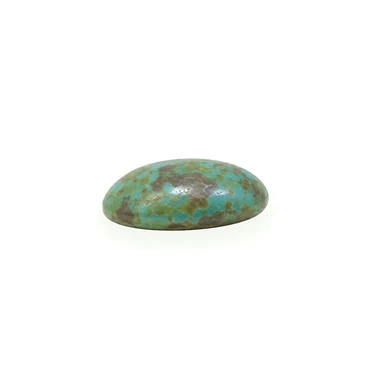
Feroza, or turquoise, carries a Persian name associated with victory. It has been worn in Iran and across South Asia for centuries, and Nishapur feroza is the most celebrated. See our Feroza guide or browse feroza.
Moh-e-Najaf
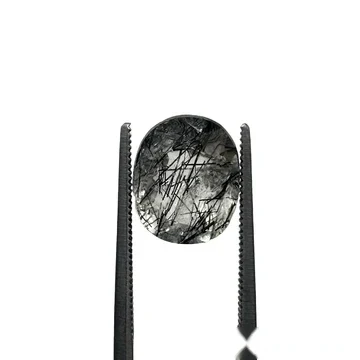
Moh-e-Najaf, "the hair of Najaf", is quartz shot through with fine golden needles of rutile. See our Moh-e-Najaf guide or browse Moh-e-Najaf stones.
Tasbih stones
Prayer beads come in aqeeq, feroza, Dur-e-Najaf, tiger eye, hematite and more, strung in 33 or 99 beads. Our tasbih guide explains how to choose.
Buying aqeeq from Authentic Gems
Every stone we sell is natural, never synthetic or lab-grown, and we state any treatment we know about. Each one is photographed by itself, a certificate is available if you ask, and independent lab testing can be arranged. We are in Karachi, where orders usually arrive in 1–2 working days, and we deliver to every city in Pakistan for a flat Rs. 500. Pay Cash on Delivery: open the parcel in front of the rider, check the stone, then pay. See our delivery details and how we check every stone.
References
Related
