In this article

Written by Sameer
Reviewed on
Traditional belief vs gemmology: anything on this page about luck, protection, planets, healing or religious tradition describes traditional and cultural beliefs — not proven effects, religious rulings or medical advice. A stone's identity, hardness, treatment and origin are gemmology, which a lab can test; the references at the end of the page cover that side.
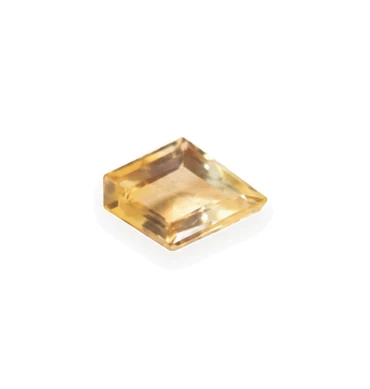
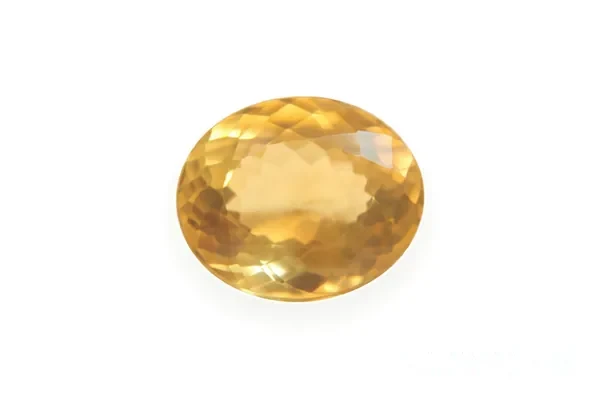
Citrine, or sunela, is quartz in yellow to orange. In Pakistan people often buy it as a gentler-priced yellow stone within the Jupiter tradition, and plenty of others just like how its warm colour sits in either gold or silver. Whichever camp you are in, there are two things to know before you pay for one.
First: most citrine began as amethyst
Natural citrine is fairly rare and usually pale, a soft lemon or champagne shade. Most of the deep orange and reddish "Madeira" citrine you will see is amethyst that has been heated, which turns the purple into yellow-orange. This is an old, stable and accepted treatment. The stone is still natural quartz, but you should be told. Heated stones can carry a faint reddish tinge, while natural citrine is usually more evenly pale.
Second: citrine is not pukhraj
Pukhraj is yellow sapphire, a corundum that is much harder and much more valuable. Citrine sometimes gets sold as "sunehri pukhraj", or just as a cheaper stand-in. Some astrologers are happy to accept citrine for Jupiter; others will only have yellow sapphire. Be sure which stone you are buying, and which one your adviser actually asked for.
The traditional view
South Asian practice connects citrine with Jupiter, Brihaspati, and people wear it for abundance and a hopeful outlook. These are beliefs and customs, not guaranteed results, and we don't promise any. If an astrologer has recommended it, agree the weight (ratti), the metal and the finger with them before any ring is made. Our rashi guide lists the usual pairings.
Choosing a good one
- Colour: a clear golden yellow through to warm orange, with no brown or smoky cast, is what people want most.
- Clarity: citrine is normally clean to the eye, so inclusions you can see should bring the price down.
- Cut: a good cut keeps the whole face bright, with no dark, dead patch in the middle.
Keeping it bright
Citrine is 7 on Mohs, so a ring worn every day is fine, though a sharp knock can chip it. Like amethyst, it can fade with long exposure to strong sun or heat, so keep it in a closed box between wears. Warm soapy water is all you need to clean it.
Glass and lab-made quartz
Yellow glass gives itself away with bubbles under a loupe, and synthetic quartz tends to look too clean and too even. Our authenticity page explains how we check stones before they are listed.
Have a look at our sunela
Every stone in our citrine collection is checked, photographed on its own and listed with any known treatment. Still deciding? Compare it with iron tiger eye or pearl. The Urdu and English names are on our names page. We send by Cash on Delivery from Karachi to Karachi addresses in 1 to 2 working days, to Lahore and other major cities in 2 to 4, and to every other city after that.
References