
In this article

Written by Sameer
Reviewed on
Traditional belief vs gemmology: anything on this page about luck, protection, planets, healing or religious tradition describes traditional and cultural beliefs — not proven effects, religious rulings or medical advice. A stone's identity, hardness, treatment and origin are gemmology, which a lab can test; the references at the end of the page cover that side.
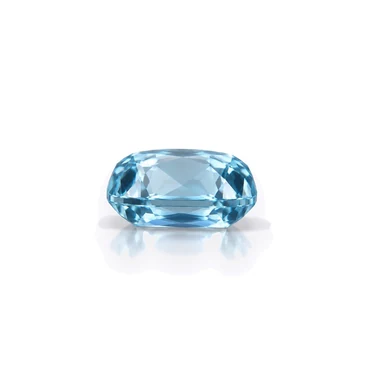
If you were born in March you have two stones to pick from. The modern one is aquamarine, which most Pakistanis know as beruj, a transparent sea-blue gem. The traditional one is bloodstone, an opaque dark green stone dotted with red. You shop for these two in very different ways, so we will take them one at a time.
What aquamarine is
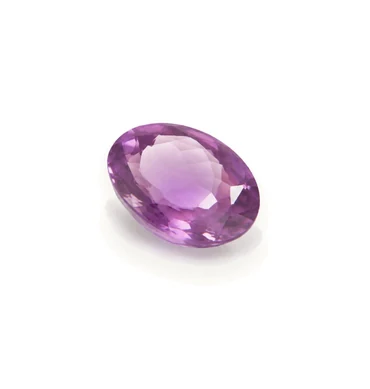
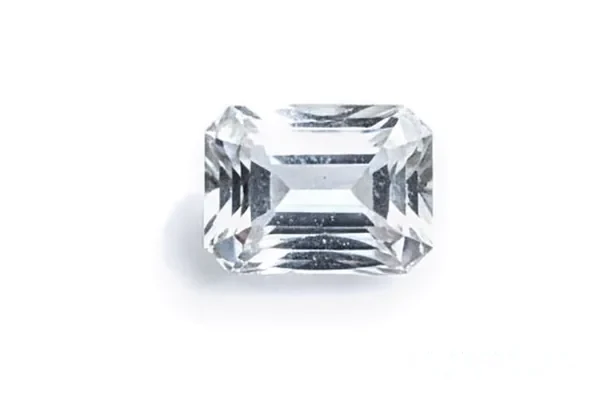
Aquamarine is beryl, the same mineral as emerald, but coloured blue by iron. The difference is in how they grow. Emerald crystals are usually cracked and included, while aquamarine forms big, clean crystals. That is why a clean aquamarine of several carats is an ordinary thing to find, and a clean emerald of the same size is not. For a large, see-through blue stone, few natural gems give you as much for your money.
How to judge aquamarine colour
The colour range goes from greenish sea-water shades to a pure sky blue, and from nearly colourless to a firm mid blue.
- Hue: pure blue gets the best price. A greenish stone is every bit as natural, but it should cost less than a blue one.
- Saturation: this is what really separates stones. Most aquamarine is pale. One that still looks properly blue in the shade is in a much higher class. Colour also shows more in bigger stones, which is partly why price climbs with size.
- Clarity: you should expect an eye-clean stone. Emerald gets away with inclusions; aquamarine does not, and anything you can see should lower the price.
When comparing stones, divide the price by the carat weight.
Heated stones are normal, but ask anyway
Most aquamarine has been gently heated to take out the green and leave a cleaner blue. The change is permanent and the trade accepts it, but it still has to be disclosed. An unheated stone with a strong blue is worth more, and any honest seller will tell you which one is in front of you.
Stones that get sold as aquamarine
Blue topaz (often treated to a deeper blue), synthetic spinel and ordinary blue glass all turn up labelled as aquamarine. Glass can show bubbles and soft, rounded facet edges. Blue topaz usually looks a more intense blue than most natural aquamarine of the same size. If you want certainty, ask us and we can arrange independent lab testing.
Bloodstone, the older March stone
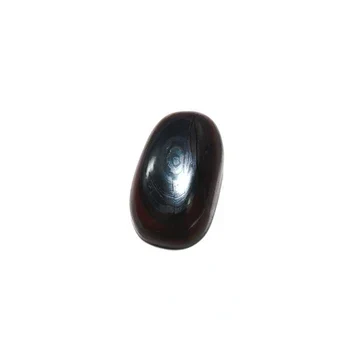
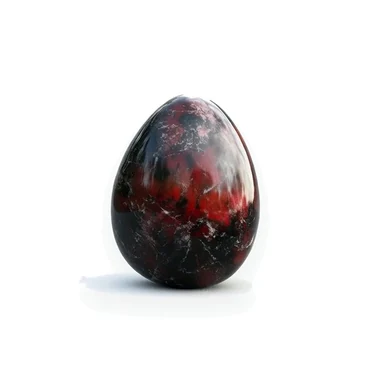
Bloodstone is a kind of chalcedony, dark green with red spots of iron oxide. Since you can't see into it, you judge it on the pattern: deep, even green and clear, well-defined red spots. Prices move far less than with aquamarine. It works very well in a signet-style ring for men or in a carved piece. Have a look at the bloodstone category.
Looking after beruj and bloodstone
Aquamarine is 7.5 to 8 on the Mohs scale and copes well with being worn in a ring every day. Beryl can be brittle in certain directions, though, so avoid sharp knocks. If a stone has inclusions that reach the surface, go carefully with ultrasonic cleaners. For both March stones, warm soapy water and a soft brush are all you need.
Giving a March stone as a gift
The cool, calm blue of aquamarine makes it a popular choice for engagement-style rings and plain pendants, and it looks good in silver or gold. Bloodstone is quieter and less common, and a nice choice for men in particular.
The rashi view is different
Pairing March with these stones comes from the Western list. Astrologers in Pakistan usually work from moon sign and planet under the Vedic system, and that can lead to a completely different stone. See gemstones by rashi, and for how the monthly list came about, read our birthstone guide.
Ordering from Authentic Gems
Every stone in our aquamarine and bloodstone collections is photographed as it is and has its own price. The stone in the photos is the stone you get. We dispatch from Karachi, where delivery usually takes 1–2 working days, and we deliver across Pakistan with Cash on Delivery: you check the stone in front of the rider before paying, and you have 7 days to return it. Questions? Message us on WhatsApp or use the contact page.
References