
In this article
- Rashi and stone at a glance
- The nine planetary gems, and what can stand in for them
- Why your chart counts for more than your sign
- How each stone is customarily worn
- The traditional trial
- A rashi stone has to be real
- What decides the price of a rashi stone
- Questions people ask us about rashi stones
- Finding your stone with us

Written by Sameer
Reviewed on
Traditional belief vs gemmology: anything on this page about luck, protection, planets, healing or religious tradition describes traditional and cultural beliefs — not proven effects, religious rulings or medical advice. A stone's identity, hardness, treatment and origin are gemmology, which a lab can test; the references at the end of the page cover that side.
The quick version: in Vedic astrology, each rashi (moon sign) takes the stone of the planet that rules it. Mesh and Vrishchik take red coral, for Mars. Vrishabh and Tula take diamond or white sapphire, for Venus. Mithun and Kanya take emerald, for Mercury. Kark takes pearl, for the Moon. Simha takes ruby, for the Sun. Dhanu and Meen take yellow sapphire, for Jupiter. Makar and Kumbh take blue sapphire, for Saturn. That is the simple rule. Any experienced astrologer will add two things: the stone should really be chosen from your full birth chart, not the sign on its own, and the stronger stones are not something to wear on a whim.
"Which stone is for my rashi?" comes up with us almost every day. So this page covers both layers. You will find the sign-to-stone table with the Urdu and local names, the nine planetary gems (navaratna) and their substitutes, why the chart matters, how each stone is customarily worn, the traditional trial, and how to make sure the stone itself is real. Please read all of it as tradition and belief, not as promised results.
Rashi and stone at a glance
Your rashi is the sign the Moon was in at the moment you were born. Every sign has a ruling planet, and every planet has its stone.
| Rashi | Western sign | Ruling planet | Traditional stone | Urdu / local name |
|---|---|---|---|---|
| Mesh | Aries | Mars (Mangal) | Red coral | Marjan / moonga |
| Vrishabh | Taurus | Venus (Shukra) | Diamond / white sapphire | Heera / safed pukhraj |
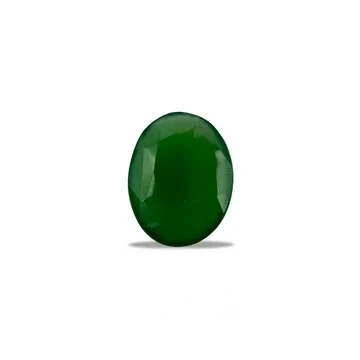
| Mithun | Gemini | Mercury (Budh) | Emerald | Zamurd / panna |
| Kark | Cancer | Moon (Chandra) | Pearl | Moti |
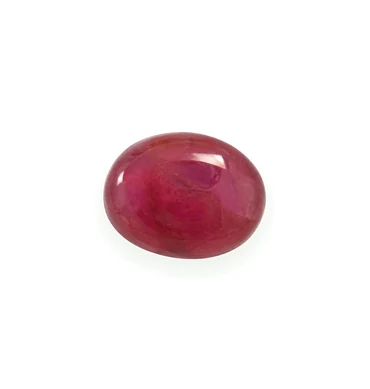
| Simha | Leo | Sun (Surya) | Ruby | Yaqoot / manik |
| Kanya | Virgo | Mercury (Budh) | Emerald | Zamurd / panna |
| Tula | Libra | Venus (Shukra) | Diamond / white sapphire / opal | Heera / safed pukhraj / opal |
| Vrishchik | Scorpio | Mars (Mangal) | Red coral | Marjan / moonga |
| Dhanu | Sagittarius | Jupiter (Guru) | Yellow sapphire | Pukhraj |
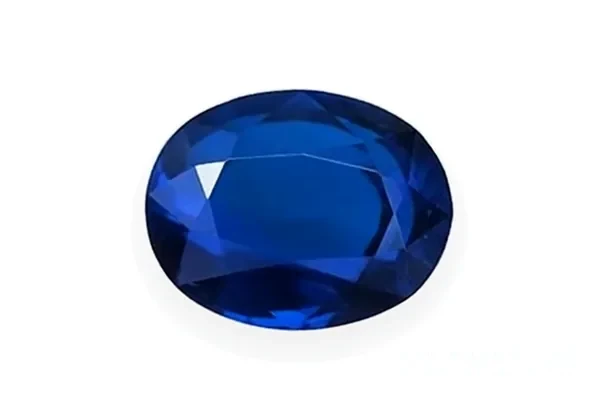
| Makar | Capricorn | Saturn (Shani) | Blue sapphire | Neelam |
| Kumbh | Aquarius | Saturn (Shani) | Blue sapphire | Neelam |
| Meen | Pisces | Jupiter (Guru) | Yellow sapphire | Pukhraj |
Don't know your rashi?
The Western "sun sign" and the Vedic moon sign are worked out in different ways, and quite often they are not the same sign. Your rashi depends on the date, time and place of your birth. An astrologer can tell you, or you can use a Vedic chart calculator. The sign printed next to your birthday in the newspaper is not it.
The nine planetary gems, and what can stand in for them
Jyotish works with nine planetary influences, the navagraha, which include the two lunar nodes, Rahu and Ketu. Each has a main gem. When the main gem is beyond someone's budget, tradition allows a substitute (uparatna), which is usually thought of as gentler.
| Planet | Main gem | Usual substitutes | Traditionally associated with |
|---|---|---|---|
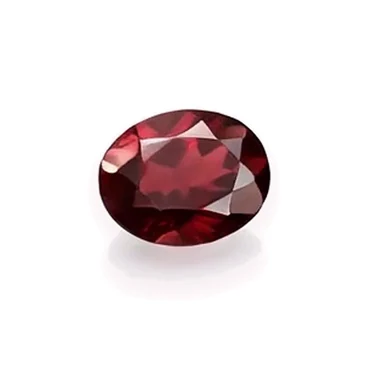
| Sun (Surya) | Ruby (manik) | Red garnet, red spinel | Authority, vitality, the father, self-belief |
| Moon (Chandra) | Pearl (moti) | Moonstone | Mind, feelings, the mother, calm |
| Mars (Mangal) | Red coral (moonga) | Carnelian (red aqeeq), red jasper | Energy, courage, property, brothers and sisters |
| Mercury (Budh) | Emerald (panna) | Peridot, green tourmaline, green aqeeq | Intellect, speech, business, study |
| Jupiter (Guru) | Yellow sapphire (pukhraj) | Citrine, yellow topaz | Wisdom, prosperity, children, teachers |
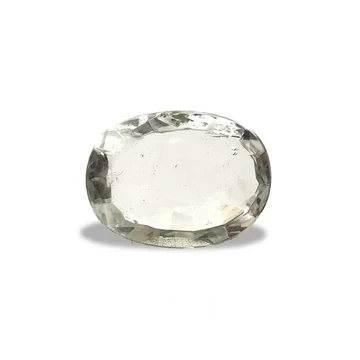
| Venus (Shukra) | Diamond (heera) | White sapphire, white zircon, opal | Love, marriage, comfort, the arts |
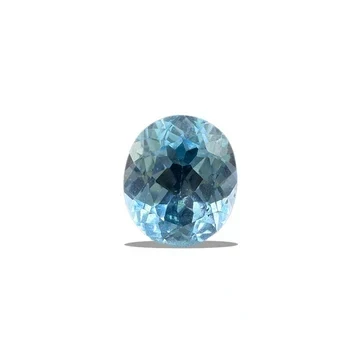
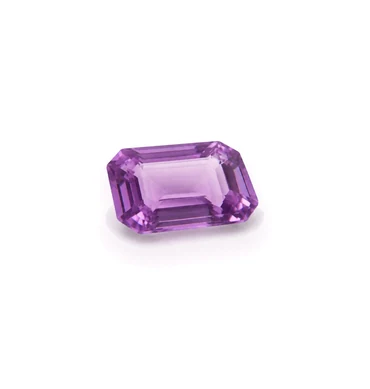
| Saturn (Shani) | Blue sapphire (neelam) | Amethyst, lapis lazuli, blue tourmaline | Discipline, karma, long life, service |
| Rahu | Hessonite garnet (gomed) | Orange zircon | Ambition, links abroad, illusion |
| Ketu | Cat's eye (lehsunia) | Tiger's eye | Spirituality, detachment, intuition |
Why your chart counts for more than your sign
The tradition says a gemstone strengthens its planet. That only helps if the planet is a friendly one in your chart, such as the lord of your ascendant, the lord of a trine house, or a yogakaraka. If it is not, the stone may do more harm than good. That is how two Makar people can get opposite advice about neelam, and why the strong stones (neelam, manik, pukhraj, moonga, gomed and lehsunia) are normally worn only after a proper reading. A careful astrologer will look at:
- the ascendant (lagna) and its lord, which many astrologers rank above the moon sign;
- the planetary period you are running (dasha) and transits such as Sade Sati;
- which planets are weak and could use support, and which are strong enough already;
- which stones should never be paired. In most readings neelam is kept away from manik or moonga, and pukhraj away from heera.
So you know where we stand: Authentic Gems does not read charts and does not give astrological advice. What we do is supply natural stones, tell you about any treatment we know of, and help you find the stone and weight your astrologer has asked for.
How each stone is customarily worn
| Stone | Finger | Metal | When first worn | Mantra |
|---|---|---|---|---|
| Ruby (manik) | Ring finger | Gold or copper | Sunday, near sunrise | Om Suryaya Namah |
| Pearl (moti) | Little finger | Silver | Monday morning | Om Chandraya Namah |
| Red coral (moonga) | Ring finger | Gold or copper | Tuesday morning | Om Mangalaya Namah |
| Emerald (panna) | Little finger | Gold or silver | Wednesday morning | Om Budhaya Namah |
| Yellow sapphire (pukhraj) | Index finger | Gold | Thursday morning | Om Gurave Namah |
| Diamond / white sapphire | Middle or ring finger | Silver, white gold or platinum | Friday morning | Om Shukraya Namah |
| Blue sapphire (neelam) | Middle finger | Silver, white gold or panchdhatu | Saturday evening | Om Shanicharaya Namah |
| Hessonite (gomed) | Middle finger | Silver or panchdhatu | Saturday evening | Om Rahave Namah |
| Cat's eye (lehsunia) | Little or middle finger | Silver or panchdhatu | Tuesday or Thursday evening | Om Ketave Namah |
A few customs apply to every stone on the list. It should be natural, and ideally untreated. It goes into an open-back setting so that it touches the skin. It is rinsed before it is worn for the first time, in raw milk, in Ganga jal in Hindu practice, or simply in clean water. And it is worn on the working hand, usually the right. The astrologer sets the weight, which is commonly at least 2 to 5 carats depending on the stone and the person. For Saturn's stone in more depth, read neelam benefits and how to wear it.
The traditional trial
With the strong stones, tradition recommends a test before you commit. You keep the stone against your skin for three to seven days and pay attention to your sleep, health, mood and what happens around you. If the days are calm or good, the stone is taken to suit you. If they are unusually troubled, it is put aside.
Our return policy lets you return a stone within 7 days of delivery for a refund or exchange, as long as it is unused and in its original packaging. Agree with your astrologer how you will handle any trial, and do not have the stone set or cut until you know you are keeping it.
A rashi stone has to be real
By the tradition's own terms, only a natural stone counts. Even so, glass, synthetic corundum, glass-filled ruby, dyed quartz and resin-filled emerald are all sold as rashi stones in Pakistan. Ask for a natural stone with its treatment status known, and for anything valuable, an independent lab report. Our authenticity page explains how we check stones, and real vs fake gemstones has simple tests you can do wherever you buy.
What decides the price of a rashi stone
Astrological stones are priced by the carat. The rate depends on colour, clarity, treatment, origin and size. Broadly, the corundum stones (neelam, pukhraj and manik) and emerald are at the top, while pearl, coral, gomed and most of the substitute stones cost less. Because an astrologer will often ask for an untreated stone above a minimum weight, plan your budget around quality as well as size.
Every listing shows the price of that one stone. A "certified neelam" going for the price of a trinket is not a neelam.
Questions people ask us about rashi stones
Can I wear my rashi stone without an astrologer?
Many traditions treat the gentler stones, like pearl, moonstone, amethyst, aqeeq and citrine, as safe to wear freely. For neelam, manik, pukhraj, moonga, gomed and lehsunia, a reading is strongly advised.
Can two stones be worn together?
Only if their planets get along in your chart. Pairings that are often allowed include pukhraj with manik or moti, and neelam with panna or heera. Neelam with manik or moonga is usually avoided.
Does a stone wear out?
Tradition says to keep the stone clean, often rinsing it on its planet's day, and to replace it if it chips or cracks. Our gemstone care guide explains how to clean stones safely.
Should it be a ring or a pendant?
A ring on the prescribed finger is the classic way. A pendant that sits against the skin is also accepted, and works well for pearl or for anyone who cannot wear rings at work.
Finding your stone with us
We keep natural loose stones for every planet. Each is photographed as it is, priced on its own, and any known treatment is stated. If you want a silver ring made, message us on WhatsApp and we can discuss it. The stones people ask for most are neelam, pukhraj, yaqoot, zamurd and moti, or you can browse the whole shop. You can also send us your astrologer's recommendation and we will show you stones in that weight. We deliver by insured courier with Cash on Delivery, starting at home in Karachi and covering Lahore, Islamabad and the rest of Pakistan.
References