

Birthstones by month
Amethyst (Jamunia): The February Birthstone فروری
In short: February's birthstone is amethyst, the purple quartz Pakistanis call Jamunia after the jamun fruit. Colours run from soft lilac to a dark, royal purple, and at 7 on the Mohs scale it is tough enough for a ring worn every day. Collectors look for deep, even colour, and tradition links the stone with a calm, steady mind.
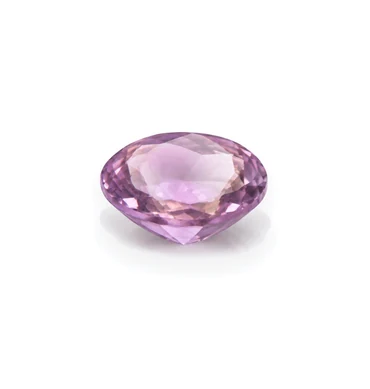
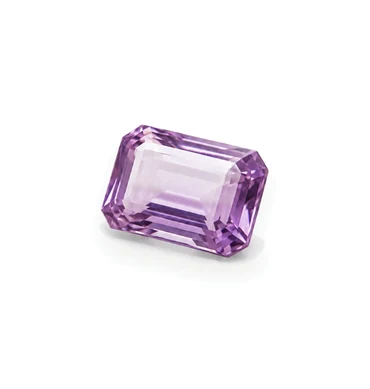
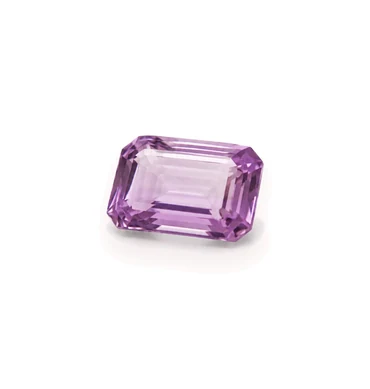
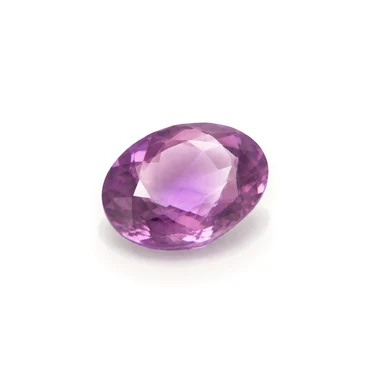
If you were born in February, your stone is amethyst. Pakistanis call it Jamunia, after the dark purple of the jamun fruit, and it is a quartz that runs from soft lilac to deep royal purple. With a hardness of 7 on the Mohs scale it handles daily wear in a ring, and you can find good colour at many budgets.
- Month
- February
- Birthstone
- Amethyst
- Urdu name
- Jamunia
- Colours
- Soft lilac to dark royal purple
- Mohs hardness
- 7
- Mineral
- Quartz
On the tray today
Shop amethyst
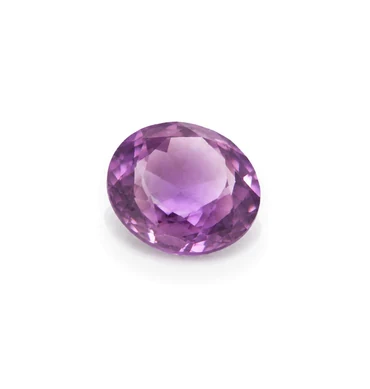
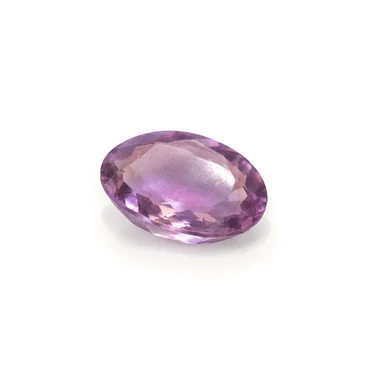
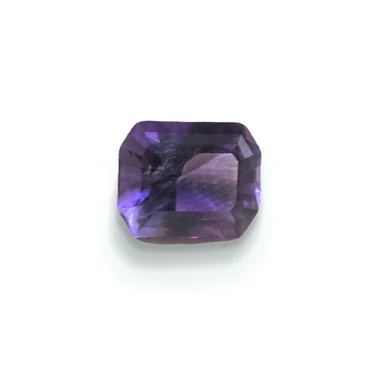
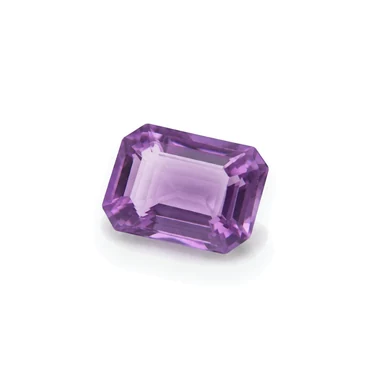
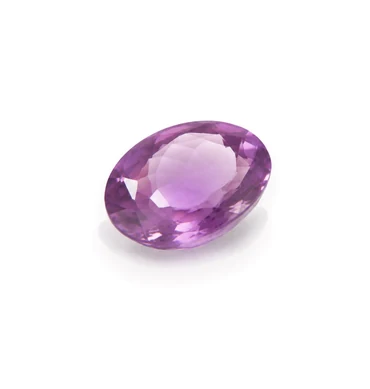
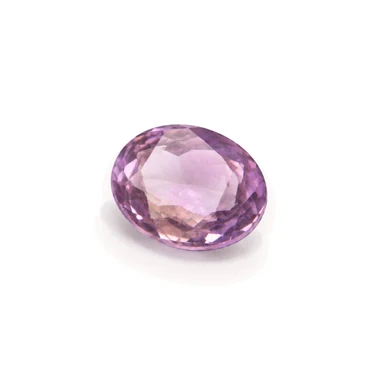
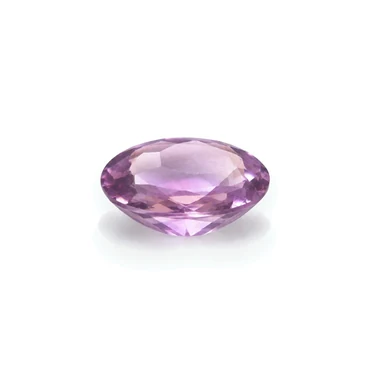
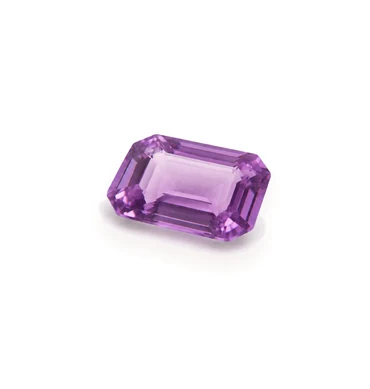
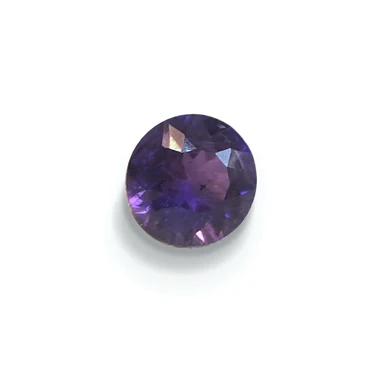
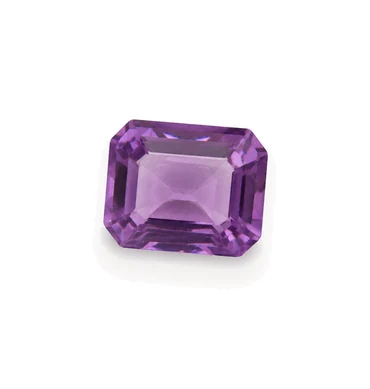
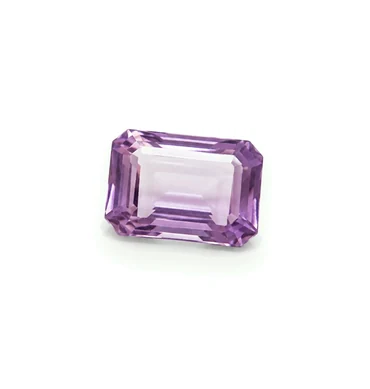

Written by Sameer
Reviewed on
Traditional belief vs gemmology: anything on this page about luck, protection, planets, healing or religious tradition describes traditional and cultural beliefs — not proven effects, religious rulings or medical advice. A stone's identity, hardness, treatment and origin are gemmology, which a lab can test; the references at the end of the page cover that side.
Where the stone's story comes from
The word amethyst comes from Greek for roughly "not intoxicated"; the Greeks believed it kept a clear head, and the idea of calm and balance has stayed with it. Centuries later, bishops wore amethyst rings and royal families set it in crowns, which is a large part of why we still think of purple as a regal colour. When the first modern birthstone list was written, amethyst was given to February, and it has held that place since.
Judging colour, the thing that matters most
With Jamunia, colour sets the value first. What we check:
- How deep the purple goes. The best are a rich purple with small flashes of red or blue. Lighter lilac costs less and looks gentle in daylight.
- Whether the colour is even. Amethyst often forms in layers. Turn the stone face-up and look straight down through it; visible bands of light and dark purple bring the value down.
- Clarity. A faceted amethyst should look clean without a loupe. Small feathers are perfectly acceptable in beads and cabochons.
- Size. Big, clean amethysts are far easier to find than big, clean sapphires, so a bold statement stone is a realistic choice here.
If you want a harder purple, look at purple sapphire. For a lighter pinkish violet, try kunzite. Or browse every amethyst we have listed.
Spotting fakes
- Purple glass is the imitation you will meet most often. Under a loupe it shows round gas bubbles, and its facet edges look soft and nicked.
- Dyed quartz gives itself away because the colour collects in cracks and sits near the surface instead of running evenly through the stone.
- A large stone with flawless, perfectly uniform colour and no zoning at all should be lab tested before you pay serious money. Every amethyst we list is natural.
- Some of the citrine sold in the market is actually heated amethyst. That is its own stone and should carry its own name.
Keeping it purple
Strong sun and heat can slowly lighten amethyst, so keep it off sunny windowsills and away from the kitchen stove. To clean it, use lukewarm water with a little soap and dry it with a soft cloth. Our articles on keeping amethyst purple and the full February birthstone guide go into more detail.
Giving amethyst in February
Amethyst is a good first gemstone for a February daughter, sister or friend, since its purple suits gold and silver alike. Lilac and purple outfits turn up often at walima receptions, and an amethyst ring or pendant sits well with them. At Eid, a single loose amethyst in a small box is a thoughtful gift that the family jeweller can set later.
References
Related
