

January
January Birthstone: Garnet, or Yaqoot-e-Rumani جنوری
In short: January's birthstone is garnet, which many Pakistanis call Yaqoot-e-Rumani. Deep red is the usual colour, but garnet also comes in raspberry, orange and green. It wears well every day, is seldom treated and gives good size for the money, so it is one of the easiest birthstones to buy. Tradition ties it to loyalty and friendship.
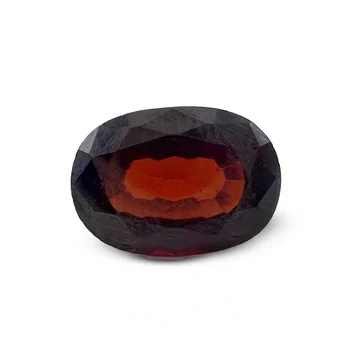
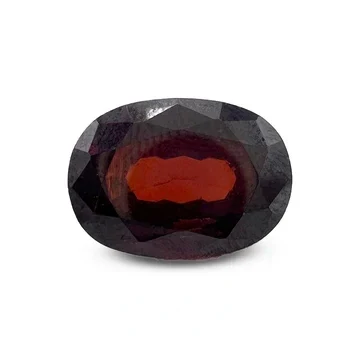
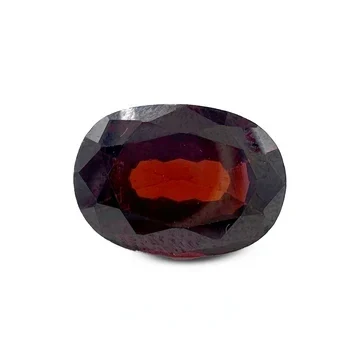
If you were born in January, your stone is garnet. Here most people call it Yaqoot-e-Rumani. The classic colour is deep red, but garnet also comes in raspberry, orange and green. It stands up to daily wear, is hardly ever treated and gives you a good-sized stone for the money, so it is one of the easiest birthstones to buy or give.
- Month
- January
- Birthstone
- Garnet
- Local name
- Yaqoot-e-Rumani
- Colours
- Deep red, raspberry, orange, green
- Mohs hardness
- 6.5–7.5
- Treatment
- Rarely treated
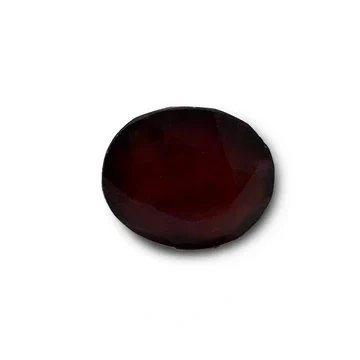
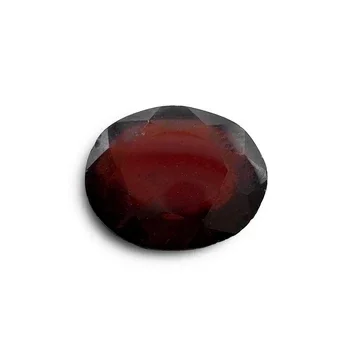
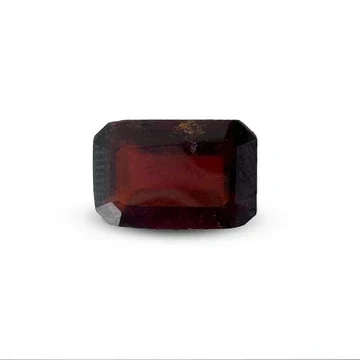
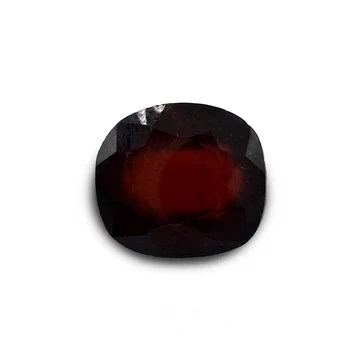
On the tray today
Shop garnet
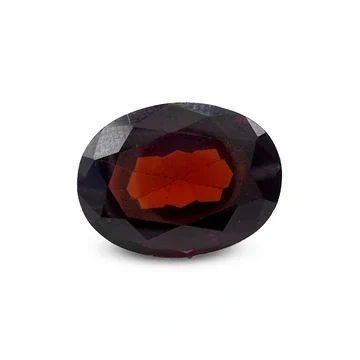
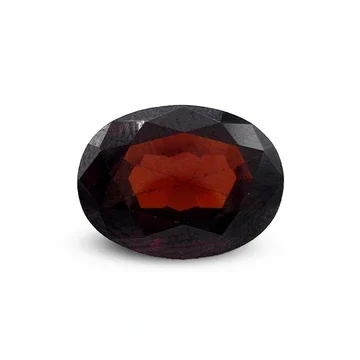
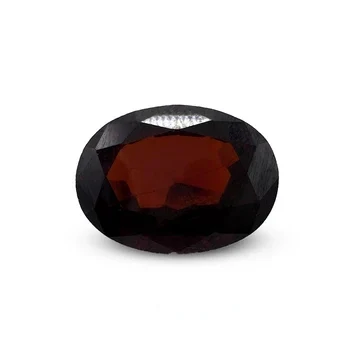
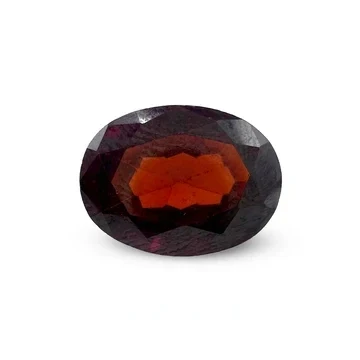
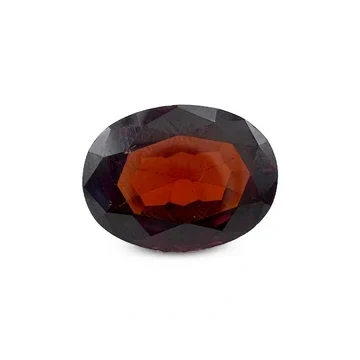
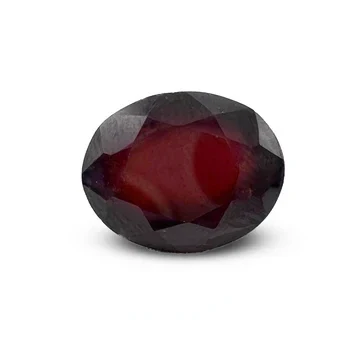
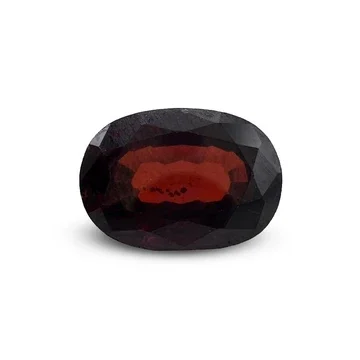
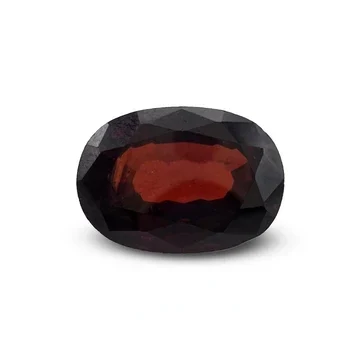

Written by Sameer
Reviewed on
Traditional belief vs gemmology: anything on this page about luck, protection, planets, healing or religious tradition describes traditional and cultural beliefs — not proven effects, religious rulings or medical advice. A stone's identity, hardness, treatment and origin are gemmology, which a lab can test; the references at the end of the page cover that side.
Where garnet comes from, and what it stands for
People have been cutting and wearing garnet for thousands of years. It turns up in ancient Egyptian beadwork and in Mughal jewellery alike. The word is usually linked to the Latin for pomegranate, and once you have seen a handful of small red garnet crystals you understand why: they look just like the seeds. Old tradition made garnet a stone of loyalty and friendship, and travellers used to keep one with them on long trips. Today, on the modern list, it is quite simply the stone for January birthdays.
Picking a good one
Garnet isn't one mineral but a group of close relatives. Almandine and pyrope give the familiar deep red. Rhodolite leans towards raspberry. Hessonite, the Gomed many of you already know, is a warm cinnamon orange. Most January buyers want red, and these are the things we'd look at:
- Life in the colour. Some garnets are so dark they read as black under indoor lights. Choose a red that still glows a little; it looks far better on a hand.
- Clarity. Red garnet is normally clean to the naked eye. If you can see cracks without a loupe, move on.
- Cut. A well-cut garnet sends light back from edge to edge. A poor one leaves a dead, dark window in the middle.
If you want a brighter red, put garnet next to ruby, or try the opaque, warm red of red coral. For the orange end of the family, look at hessonite.
Spotting a fake
- The usual imitation is red glass. Under a loupe you will often see round gas bubbles and swirl marks, and the facet edges look rounded and nicked.
- Hold it against your skin. Garnet stays cool noticeably longer than glass or plastic.
- If a stone is far cheaper than other natural garnets of the same size and colour, be suspicious.
- For a bigger purchase, an independent lab report settles the question. You are welcome to have any stone from us tested.
More reading: how to choose a good garnet, why garnets differ in price and our general real-or-fake checks.
Looking after it
Garnet sits at 6.5–7.5 on the Mohs scale. That is fine for everyday wear, though a hard knock can chip an edge. Wash it in lukewarm soapy water with a soft brush, dry it with a cloth, and keep it away from harder stones like sapphire in the jewellery box. The gemstone care guide has the full routine.
Giving garnet in January
January lands right in the middle of shaadi season, and a deep red garnet looks at home next to a red bridal joda. It works as a ring for the bride, a mooh dikhai gift, or a pendant for a sister with a January birthday. For a birthday or Eid, give it loose in a small box and let the family jeweller set it later in gold or silver.
References
Related
