In this article

Written by Sameer
Reviewed on
People buy a moonstone for one reason more than any other: that soft light that drifts across the surface as the stone moves. Gemmologists call it adularescence. Here it is usually sold as Chandrakant. Colour, clarity, cut, size and origin all matter, but really they are just different ways of asking how well a stone shows that light.
The encouraging part is that you can judge the sheen yourself with nothing more than one lamp. The trickier part is working out which "moonstone" is in front of you, because the trade puts the name on several different stones. We cover both below, then list the questions worth asking and how to buy safely online.
Which moonstone is it?
Moonstone belongs to the feldspar family. A few related stones are sold under the same name, and each looks and behaves a little differently.
- Classic moonstone runs from colourless to milky white, with a blue or white sheen. A see-through stone with a bright blue sheen is the most prized of all.
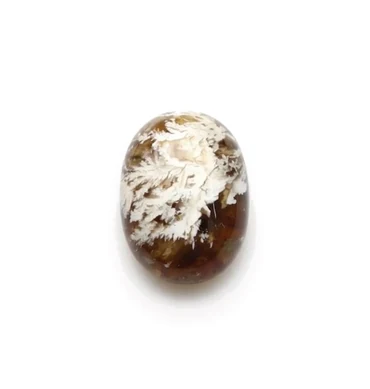
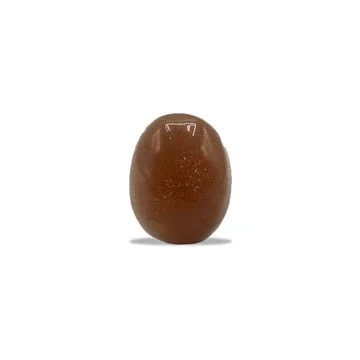
- Peach, grey and brown moonstone have a coloured body with a white or silvery glow. They tend to cost less and are very easy to wear.
- Rainbow moonstone flashes blue, purple and other colours over a white body. Strictly, it is a white form of labradorite rather than the same feldspar as classic moonstone, but everyone in the trade calls it moonstone. It is a real natural stone, and a beautiful one.
- Cat's eye and star moonstone show a single line or a star of light when cut as a domed cabochon. You will see these less often.
Ask the seller which type you are being shown; a fair listing will name it. If what you want is a blue-sheen stone, say so plainly, because rainbow moonstone will not give you that look.
Judge the sheen first
Put the stone under a single light, a phone torch or one bare bulb, and tilt it slowly.
- Strength. A good stone gives a bright, clean glow. A weak one shows only a faint haze you have to hunt for.
- Colour of the light. Blue is most wanted, then a clean silvery white. In rainbow moonstone, look for strong, varied colours, not one dim streak of blue.
- Coverage. The glow should spread across most of the face. A small patch off to one side is less appealing.
- Position. In a well-cut stone the sheen sits in the middle of the dome when you look straight down at it. If you have to tip the stone right over to find it, the rough was poorly oriented, and in a ring it will look lifeless.
Studio photos tend to catch the sheen at its best angle. A short video of the stone being turned under one light tells you much more.
Body colour and transparency
The body is the background the sheen floats across.
In classic moonstone, a clear or nearly clear body makes the blue light look deep, as though it is sitting inside the stone. A milky or cloudy body makes the glow softer and whiter. Both are lovely; the transparent ones are simply rarer.
With peach and grey moonstone, look for an even, pleasing colour without muddy brown patches. With rainbow moonstone, a clean white body shows off the colours best.
Clarity: what is normal, what to avoid
Nearly every moonstone has something inside it. What matters is whether it spoils the look or weakens the stone.
- Small "centipede" inclusions, tiny cracks with a short line through them, are typical of moonstone and point to a natural stone. A few are fine.
- Black needles or specks turn up often in rainbow moonstone. A handful add character; a crowd of them across the face makes the stone look dirty.
- Cleavage cracks that run to the surface are what you should really watch for. Feldspar can split along these planes, and a stone with an open crack may break during setting. Tilt it and look for flat, mirror-like flashes inside, or fine lines at the edge.
A stone that is perfectly clear and glassy, with an even blue glow from every angle, is more likely glass or a synthetic than a fine moonstone.
The cabochon cut matters
Moonstone is nearly always cut as a smooth dome, a cabochon, because that shape pulls the sheen into a band that moves.
- Height of the dome. A nicely rounded dome shows the glow well. A very flat stone barely moves.
- Symmetry. Look at it side-on. The dome should rise evenly, not slope to one side.
- The base. A thick, heavy base adds weight without adding beauty, and makes the ring stand tall. A moderate base is better.
- Polish. The surface should be smooth and glassy, free of scratches and pits. Moonstone is only 6 to 6.5 on the Mohs scale, so a worn surface on a supposedly new stone is a warning sign.
You can find faceted moonstone, and it has a gentle sparkle, but it usually shows less of that floating glow.
Size and weight
Moonstone is lighter than neelam or yaqoot, so the same carat weight looks bigger. Plenty of buyers here choose stones from several carats to well over ten for rings and pendants. As with any gem, large stones with a strong, centred sheen are harder to find and cost more per carat.
If an astrologer has given you a weight in ratti, ask which ratti he means. The gemstone ratti is 0.91 carat; the sunari ratti jewellers use is about 0.61 carat. Our carat to ratti converter handles the arithmetic. Ask for the size in millimetres as well, so you can picture it on your finger.
Origin
Sri Lanka is the traditional home of blue-sheen moonstone. India supplies much of the rainbow, peach and grey material you see for sale. Madagascar, Myanmar and parts of East Africa also produce it.
For most buyers origin is a small point. A strong, well-centred sheen is worth more than any place name, and origin claims for moonstone are rarely backed by a lab report anyway. Judge the stone you can actually see.
Treatments and imitations
Most moonstone is sold untreated. The treatments you might come across are a thin coating to brighten the sheen and, now and then, a dark backing or paint on the underside of a cabochon to make the glow stand out. Either should be disclosed. Coatings can wear away, so ask directly.
The usual imitations are opalite, a man-made glass with a bluish glow, and plain milky glass. Both glow evenly from every angle instead of showing a band that moves, and both tend to look too clean. Our guide to real and fake moonstone goes through the checks one by one.
Choosing for how you will wear it
The right moonstone depends on where it is going to sit.
- A ring for daily wear. Pick a stone with no cracks reaching the surface, a moderate dome and a size that a bezel can wrap fully. A slightly milky stone with a good sheen is often the sensible choice, as it hides small scuffs better than a glass-clear one.
- A pendant. Pendants take far fewer knocks, so you can go larger or more transparent and enjoy the full glow. Check that the sheen shows when the stone hangs straight, not only when you hold it at an angle.
- Earrings. Ask for a pair matched in body colour and sheen. Even a small difference shows when they sit on either side of the face.
What to ask the seller
- Is this classic moonstone, rainbow moonstone, or some other feldspar?
- Is it natural and untreated? Does it have any coating or backing?
- What is the exact carat weight, and what are its measurements?
- Can you send a video of the stone being turned under one light?
- Are there any cracks running to the surface?
- Can you provide a certificate, or arrange independent testing?
- What happens if I am not happy with it when it arrives?
Buying moonstone online in Pakistan
Because the sheen moves, still photos alone can mislead you. This is how to buy online with confidence:
- Buy the actual stone. Every Authentic Gems listing shows the single stone you will receive, photographed as it is, with its own weight and price.
- See it move. If the listing does not already show the sheen under a single light, message us on WhatsApp for a video.
- Check before you pay. With Cash on Delivery you open the parcel in front of the rider and look at the stone before paying. Use your phone torch and tilt it. Orders in Karachi usually arrive in 1–2 working days, and in Lahore, Islamabad and other major cities in 2–4, for a flat Rs. 500 delivery.
- Take your time. Our 7-day return window gives you room to show the stone to a jeweller or have it tested.
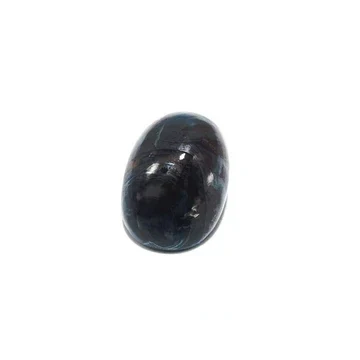
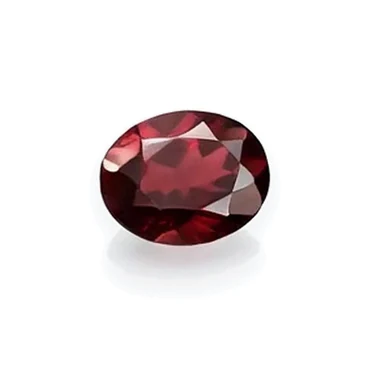
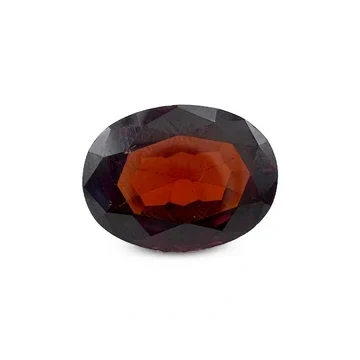
Browse our moonstone collection to compare sheen and body colour across stones. A 10.65 carat Chandrakant and a 14.75 carat Chandrakant make a handy pair for comparing size and glow.
Once it is yours
Moonstone is softer than many ring stones and can split with a hard knock, so a bezel setting and a bit of care go a long way. Our moonstone care guide covers cleaning and storage. It is also one of the June birthstones, and the June birthstone page sets it beside moti if you are choosing a gift.
Stuck between two stones? Send us both links on WhatsApp and tell us what matters most: the strongest blue sheen, the best value, or a stone for everyday wear. We will give you a straight answer.
Shop the stones: moonstone.
References