
In this article
- Tanzanite prices from our listings
- Why tanzanite is priced like this
- What sets a tanzanite's price
- Coatings, lookalikes and synthetics
- How per-ratti pricing works
- Comparing two tanzanite quotes
- Tanzanite or neelam on price
- Browsing by budget
- Protecting what you paid for
- Is a lab report worth it?
- Buying tanzanite from Authentic Gems
- خلاصہ

Written by Sameer
Reviewed on
With tanzanite, the price follows the depth of the blue-violet colour more than anything else, and size has an unusually strong pull, because small tanzanites tend to look pale and only bigger stones show rich colour. Clarity, cut and whether the stone has been coated come after that. Tanzanite is mined in just one small area of Tanzania, so supply is limited, yet it still costs far less than a blue sapphire that looks similar.
Here we go through each price factor, how per-carat and per-ratti quotes work in Pakistan, and how to compare offers fairly. We do not type figures into the article; where a table appears below, it is built from our own listings and refreshed monthly. To see every stone photographed on its own, browse our tanzanite collection.
Tanzanite prices from our listings
The table gives the lowest, typical and highest price per stone across our tanzanite listings, along with the same figures per carat and per ratti.
| Weight | Weights | Stones | Per carat | Per ratti |
|---|---|---|---|---|
| 3 – 6 carat | 4.2 – 5.8 ct | 6 | Rs 1,900 – Rs 4,900 | Rs 1,750 – Rs 4,500 |
| 6 – 10 carat | 6.1 – 6.3 ct | 2 | Rs 2,000 – Rs 7,500 | Rs 1,800 – Rs 6,800 |
Most of the spread in the table is really a spread in colour and size. Two stones of the same weight can sit at opposite ends because one is pale lilac and the other a deep violet-blue. For prices across all stones, see the monthly gemstone price guide.
Why tanzanite is priced like this
Tanzanite is the blue to violet variety of a mineral called zoisite. It was found in the 1960s in a small area near Mount Kilimanjaro, and that area is still its only commercial source. With one source, supply rises and falls with mining conditions, so prices are less settled than for stones mined in many countries.
Nearly all tanzanite is heated. The rough comes out of the ground with brown, yellow or greenish tones, and gentle heating clears them to leave the blue-violet. This is standard, stable and already in the price: unheated tanzanite does not normally carry a premium the way unheated sapphire does.
What sets a tanzanite's price
1. Colour depth
Saturation is the single biggest factor. The trade uses letter grades like A, AA, AAA and AAAA for colour depth, but nobody standardises them, and one seller's AAA can be another's AA. Treat the letters as an opinion and judge the colour from photos and video yourself.
- Pale lilac or light lavender: the cheapest. Pretty in daylight, but it can look washed out indoors.
- Medium blue-violet: the middle of the market, and a good balance of colour and cost.
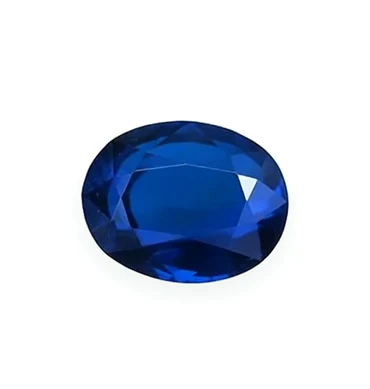
- Deep, saturated violet-blue: the most valued. The richest stones keep their colour in every kind of light.
2. Blue or violet
Tanzanite is strongly pleochroic: it shows blue, violet and a burgundy tone in different directions, and the cutter decides which one faces up. Stones that face up bluer are often priced above those that face up more violet, because blue is in higher demand, though tastes differ. Look at the stone in daylight and under indoor bulbs; tanzanite usually looks bluer in daylight and more violet under warm light.
3. Size
Size changes tanzanite more than most stones. Its colour depends on how much stone the light passes through, so small stones tend to look paler, and a deep colour is much easier to find above a few carats. That is why the per-carat rate climbs with size, and why a small stone with truly deep colour is unusual. Convert sizes with our carat to ratti converter.
4. Clarity
Good tanzanite is usually eye-clean, and buyers expect that. Visible inclusions, cracks or cloudiness cut the price considerably. Feathers near the girdle matter more than in many stones, because tanzanite has cleavage and a crack there can spread.
5. Cut
A well-cut tanzanite is lively across the whole face with no dull window in the middle. Cutters sometimes leave a stone deep to hold on to weight and colour; you pay for those extra carats, and the stone can end up looking darker but smaller from the top. Compare face-up size, not just weight.
6. Shape
Tanzanite rough often grows as long, flat crystals, so cushions, ovals and trillions are common, and cutters pick the shapes that save the most weight. Rounds waste more rough and can cost a little more per carat. Shape affects colour too: cutting a stone to face up along its blue direction can cost weight, which is one reason the bluest stones carry a higher rate. For a ring, cushions and ovals with rounded corners are safer, since sharp points chip more easily.
Coatings, lookalikes and synthetics
These are the usual reasons a "tanzanite" quote is too low:
- Coated tanzanite: a thin surface film, sometimes containing cobalt, deepens a pale stone. It can wear off with cleaning and daily wear. Coated stones must be disclosed and should cost much less, so ask straight out whether the stone is coated.
- Iolite: a cheaper violet-blue stone that also changes colour with angle, usually to grey or yellowish, without tanzanite's burgundy flash.
- Synthetic forsterite and glass: man-made materials that copy the colour. Forsterite can fool the eye but a lab separates it easily; glass often has bubbles and shows one colour from every angle.
- Blue topaz or treated quartz sold as tanzanite: the colour balance and optics are wrong.
A vivid, flawless, large tanzanite at a low price is the classic warning sign. For anything costly, get "natural tanzanite, heated, not coated" written on the invoice. Our article on tanzanite in tradition and practice has more on telling it from iolite and glass.
How per-ratti pricing works
Importers usually quote tanzanite per carat, but some sellers here quote per ratti, particularly when it is offered as an alternative to neelam for astrology. Before comparing quotes:
- Ask which ratti. The standard gemstone ratti is 0.91 carat (about 0.182 g); the jeweller's sunari ratti is about 0.1215 g, or 0.61 carat. A per-ratti price on the smaller ratti looks cheaper but buys less stone.
- Remember the rate rises with size. A flat per-ratti rate across all sizes usually means the colour is not consistent between them.
- Use the loose stone weight only, never the weight of a ring.
Comparing two tanzanite quotes
- Get it in writing that each stone is natural tanzanite, heated, and not coated.
- Get the weight in carats and the face-up measurements in millimetres.
- Ask for video in daylight and under indoor light, with the stone turning.
- Compare colour depth first, ignoring letter grades.
- Look for a dull window or visible inclusions.
- Compare face-up size, then price per carat.
If one quote is far below the others for a similar-looking stone, the reason is usually coating, a lookalike, or the smaller ratti.
Tanzanite or neelam on price
Many buyers here weigh tanzanite against blue sapphire (neelam). Tanzanite gives you a large, rich blue-violet stone for a much smaller budget than a neelam of the same size and colour. The trade-off is that it is softer, about 6 to 7 on the Mohs scale against sapphire's 9, and it has cleavage, so it needs more care in a ring. Some astrologers accept tanzanite as a Saturn alternative and many do not; these are beliefs, not promised results, so ask your adviser before choosing it for astrological reasons. For neelam, see blue sapphire prices.
Browsing by budget
These links show every stone in the shop; narrow them to tanzanite on the page that opens.
- Under 5,000 rupees: expect smaller or lighter stones here, if any are listed; check the table above.
- 5,000 to 20,000 rupees: compare colour depth carefully, as lilac and medium stones sit side by side.
- 20,000 to 50,000 rupees: larger stones, where richer colour gets easier to find.
- Over 50,000 rupees: larger stones with deep, saturated colour and clean clarity.
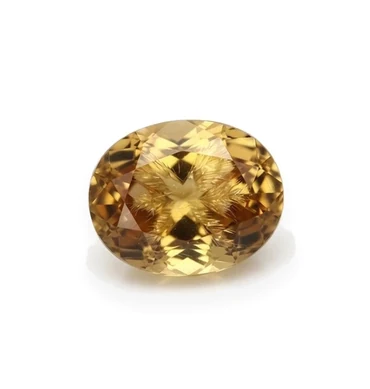
Two stones from our collection show how size changes the look: a 2.18 carat natural tanzanite and a 4.70 carat natural tanzanite. Put their photos side by side and you can see the larger stone carrying deeper colour.
Protecting what you paid for
A chipped or cracked tanzanite loses much of its value. Choose a protective setting like a bezel for a ring, or wear it as a pendant or earrings. Take a tanzanite ring off for the gym, sport and housework. Clean it with mild soapy water and a soft brush, never in an ultrasonic or steam cleaner, and keep it away from sudden heat. Store it apart from harder stones.
Tanzanite is one of the modern December birthstones, along with turquoise. Our December birthstones guide compares it with feroza and lajward, and our blue gemstones and purple gemstones pages show other stones in the same shades.
Is a lab report worth it?
For an expensive tanzanite, yes. A lab can confirm the stone is natural zoisite, separate it from synthetic forsterite and glass, and detect a surface coating. If you want a report on one of our stones, ask before you order. Our guide on reading a lab certificate explains what the report will tell you.
Buying tanzanite from Authentic Gems
Every tanzanite we list is photographed on its own, weighed loose and described with any known treatment. We are in Karachi, so Karachi orders usually arrive within 1 to 2 working days, and Lahore, Islamabad, Rawalpindi and other major cities within 2 to 4. You pay by Cash on Delivery, open the parcel and check the stone in front of the rider before paying, and can return it within 7 days. If you have quotes from elsewhere, send them to us on WhatsApp and we will help you compare them fairly.
Shop the stones: tanzanite.
The beliefs described here are traditions, shared for interest. They are not guaranteed outcomes, religious rulings or medical advice.
References