

Gemstone origins · Khyber Pakhtunkhwa
Kohistan Peridot: Zabarjad from Pakistan's High Peaks کوہستان کا زبرجد
In short: Kohistan peridot comes from the Sapat area of Kohistan, mined at great height near the snowline in the mountains of Khyber Pakhtunkhwa. Since it reached the market in the 1990s, it has been the standard for peridot: big, clean stones with a bright, lively green and very little of the brownish tint found in other sources.
Kohistan peridot is dug from workings high in the mountains of Khyber Pakhtunkhwa. Ever since it arrived on the market in the 1990s, it has been the stone other peridot is judged against: big, clean pieces with a bright, lively green and hardly any of the brownish tint seen from many other sources.
Here we cover where it is found, why it forms there, how it measures up against peridot from elsewhere, what can and cannot prove origin, and what to look for when you buy zabarjad.
- Region
- Kohistan, Khyber Pakhtunkhwa
- Stone
- Peridot (zabarjad)
- Mineral
- Olivine
- Known for
- Large, clean, bright green stones
- On the market since
- The 1990s
- Mining
- High altitude, summer only
- Common treatment
- Rarely treated
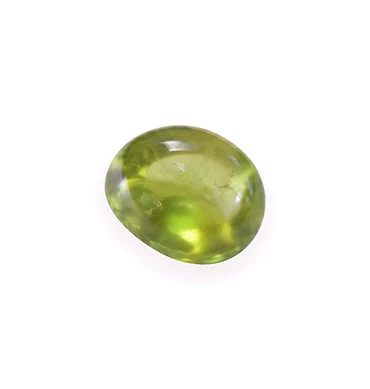
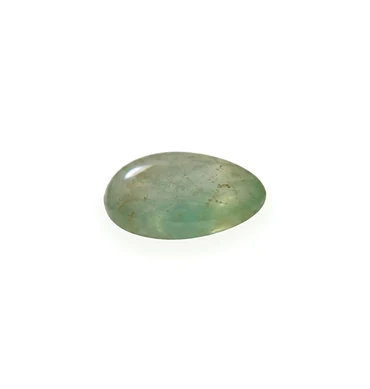
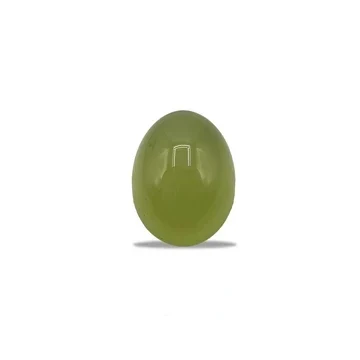
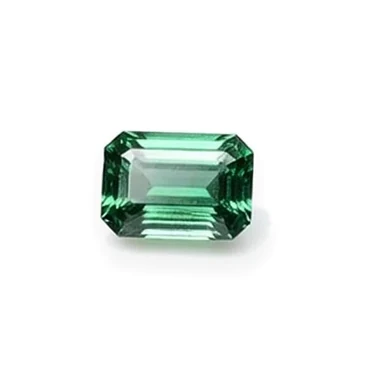
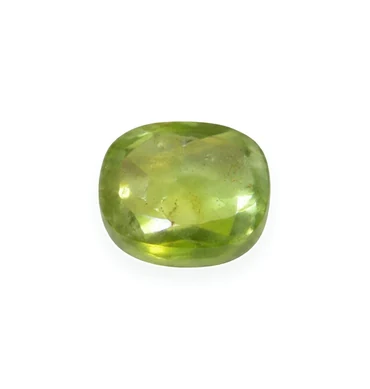
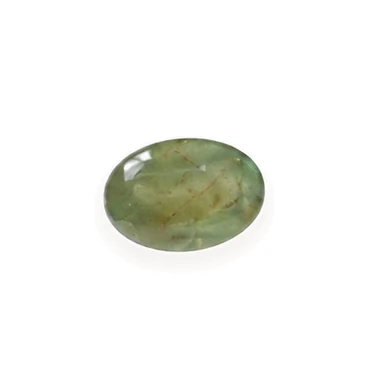
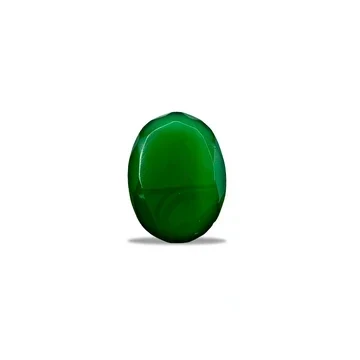
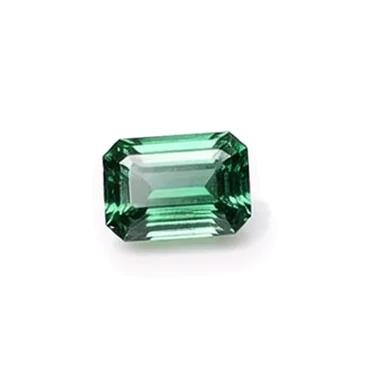
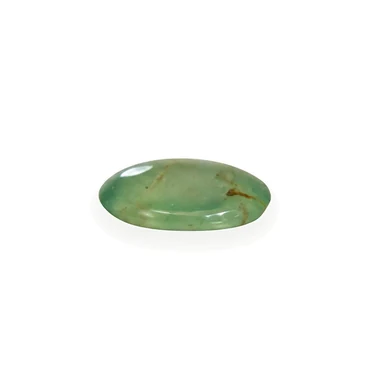
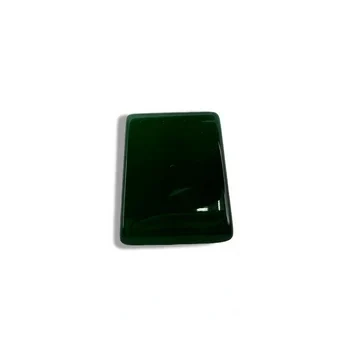
On the tray today
Shop peridot and green stones
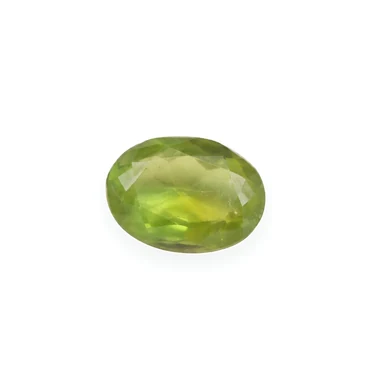
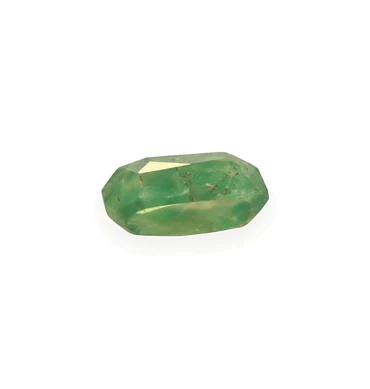
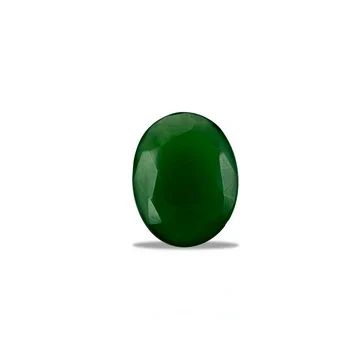
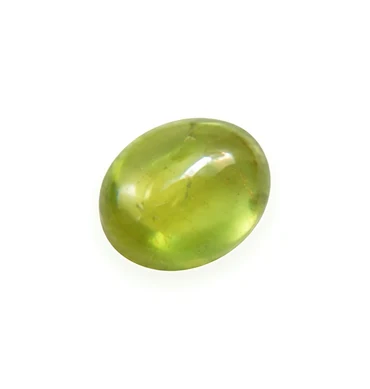

Written by Sameer
Reviewed on
Where the peridot comes from
Kohistan is the hard, mountainous stretch along the Indus north of Hazara, with Swat on one side and the Kaghan valley on the other. The peridot workings sit in the Sapat area, on steep ground just below the snowline. Reaching them takes a long walk uphill from the closest road, and for a good part of the year the mines lie under snow.
That leaves only a short summer to work. Miners haul their tools and supplies up the mountain, dig through the warm months and get the rough down before the weather turns. From the valleys, most of it heads to Peshawar to be sold and cut.
The geology, kept simple
Peridot is gem-quality olivine, a green mineral built from magnesium, iron and silica. Deep in the earth, in the mantle under the crust, olivine is everywhere. At the surface, in clear crystals good enough to cut, it is rare.
Long ago Kohistan was a string of volcanic islands. When India ran into Asia, that island arc was caught in the squeeze, and slabs of the deep rock beneath it were forced up to the surface. Parts of that rock are packed with olivine. Later, cracks and veins opened up inside it, and in those gaps clear olivine crystals had space to grow big enough for cutting. Serpentine and magnetite are often found alongside the peridot in these veins.
Colour depends on how much iron there is compared with magnesium. Kohistan peridot carries enough iron for a strong green, but not so much that it slides into olive or brown.
A bit of history
The word zabarjad comes from Zabargad, a Red Sea island that was the chief source of peridot in the ancient world. Through most of the twentieth century, gem peridot came from only a few places, and big clean stones were not common.
All that shifted in the 1990s when Kohistan material started reaching the market. Sizes and clarity that had been unusual were suddenly on offer, and Pakistani peridot soon became the benchmark the trade measured against. Output has gone up and down from year to year depending on the weather, access and how hard the mining teams push. We do not quote production numbers, because nobody publishes reliable figures for these small workings.
How Kohistan peridot looks
- Colour: a bright, fresh green, ranging from a touch yellowish to a deep grass green. The stones people want most show very little yellow or brown.
- Size: big clean stones are realistic. Ten carats and above used to be rare and are now cut fairly often, though the largest fine stones are still hard to find.
- Clarity: frequently very clean to the naked eye.
- Inclusions: under magnification, some Pakistani peridot shows extremely fine hair-like needles and small round "lily pad" discs. They are natural and can help a lab identify the stone.
- Lustre: peridot is doubly refractive, so through a loupe the back facet edges often appear doubled. That makes a handy check against glass.
Kohistan next to other sources
| Source | Usual look | Usual size |
|---|---|---|
| Kohistan, Pakistan | Bright, lively green, little brown | Medium to large, often clean |
| Arizona, USA | Yellowish to olive green | Mostly small |
| Myanmar (Burma) | Deep, rich green | Medium to large, fine stones scarce |
| China | Yellowish to mid green | Mostly small to medium |
| Zabargad, Red Sea | Fine green, historic source | Hardly seen in the trade today |
Treat these as general patterns. A fine stone from Burma and a fine one from Kohistan can look identical, and peridot sold as Afghan often moves through the same markets and looks much the same.
What can and cannot prove origin
No seller can prove a stone is from Kohistan through its colour, its size or a good story. The Peshawar peridot trade handles material from more than one source, and parcels get mixed. A gem lab can confirm a stone is natural peridot and occasionally comment on origin from its inclusions and chemistry, but origin reports are less common for peridot than for emerald or ruby, and the cost is rarely worth it unless the stone is large and fine.
For most people, what really counts is that the stone is natural peridot, untreated and cut well. Peridot is seldom treated, which helps, but glass and synthetics are out there. Our article on peridot pricing and the Kohistan factor explains how origin plays into price.
Buying Kohistan peridot: what we would tell a friend
- Go for pure green. The less yellow or brown, the better. Look at it in daylight and under a warm bulb; good peridot holds its green in both.
- Expect it to be clean. Since clean Kohistan rough exists, inclusions you can see with the naked eye should knock the price down noticeably.
- Look at the cut. A well-proportioned stone sparkles evenly across its face. A deep, bulky pavilion holds on to weight but makes the stone look dark and lifeless.
- Use a loupe. Doubled facet edges point to peridot; round gas bubbles point to glass.
- Think about the setting. Peridot is softer than sapphire and can chip if knocked hard. For a ring you will wear every day, pick a setting that guards the edges.
- Compare using the right ratti. The standard gem ratti is 0.91 carat, while the jeweller's ratti is around 0.61 carat. Run the numbers through the carat to ratti converter before you compare prices.
From rough to finished stone
Kohistan rough tends to arrive at the cutting benches of Peshawar as broken crystals and pebbles, not as whole, neatly formed crystals. The cutter first studies each piece for cracks and inclusions, then works out how to keep the best colour and the most weight. Large rough is often sawn into two or more stones, since one big stone with a crack is worth less than two smaller clean ones.
For a gem, peridot is on the soft side and can be fussy to polish, so a careful cutter takes it slowly to avoid a hazy surface. A good finish shows sharp facet edges and an even shine; a rushed one leaves fine scratches and rounded edges that a loupe picks up straight away.
Looking after peridot
Clean it in lukewarm soapy water with a soft brush. Stay away from ultrasonic cleaners, sudden swings in temperature and acids, which includes strong lemon juice and some household cleaners; all of these can dull the polish. Keep it apart from harder stones like sapphire and topaz.
What peridot costs
Peridot prices climb steeply as size goes up and as the green gets purer. A small stone with a yellowish tint is very affordable; a large, clean, deep green stone is another purchase altogether. The table below is built from our own peridot listings and updated every month.
| Weight | Weights | Stones | Per carat | Per ratti |
|---|---|---|---|---|
| Under 3 carat | 0.9 – 3.0 ct | 9 | Rs 1,650 – Rs 4,700 | Rs 1,500 – Rs 4,300 |
| 3 – 6 carat | 3.0 – 4.0 ct | 5 | Rs 2,700 – Rs 5,400 | Rs 2,500 – Rs 4,900 |
You can also check the monthly price guide, or browse stones under 5,000 rupees.
Peridot at Authentic Gems
Each peridot listing carries the origin our supplier gave us; for example, this 0.95 carat zabarjad and this 1.75 carat peridot listed as Afghan. Every stone has its own photo and price, and with cash on delivery you open the parcel before you pay, from Karachi to the smallest town in Pakistan. Browse all our peridot, read about peridot as August's birthstone, or see lab-certified peridot.
References
Related
- Pakistan's Gemstone Mines: Where Each Stone Comes From
- Gemstone Origins: Where Our Favourite Stones Are Mined
- What Sets the Price of Zabarjad: Colour, Clarity and Kohistan
- Zabarjad (Peridot), the August Birthstone Mined in Our Own Mountains
- Peridot (Zabarjad) with an Independent Lab Report
- August Birthstone: Peridot, the Zabarjad
