

Learn
Gemstone Origins: Where Our Favourite Stones Are Mined پتھروں کے ماخذ
In short: Origin is the country or mine a gemstone came from, and a few places have earned a name: Swat for emerald, Ceylon for sapphire, Badakhshan for lapis lazuli. A famous origin can lift the price, but it is hard to prove without a lab, so an origin name with no report behind it is best read as a description of the stone's look.
Origin simply means the country or mine a stone came from, and a few places carry a reputation: Swat for emerald, Ceylon for sapphire, Badakhshan for lapis lazuli. A good name can raise the price, yet origin is hard to prove without a lab. Here are the main sources, and how to read origin claims with a clear head.
Pages in this guide
- سوات کا زمرد Swat Emerald: The Zamurd From Our Own Hills Gemstone origins · Khyber Pakhtunkhwa Read
- ہنزہ کا یاقوت Hunza Ruby: Yaqoot Grown in Karakoram Marble Gemstone origins · Gilgit-Baltistan Read
- کوہستان کا زبرجد Kohistan Peridot: Zabarjad from Pakistan's High Peaks Gemstone origins · Khyber Pakhtunkhwa Read
- سکردو کا بیروج Skardu Aquamarine: Beruj from the Valleys of Baltistan Gemstone origins · Gilgit-Baltistan Read
- کاٹلنگ کا گلابی ٹوپاز Katlang Pink Topaz: Pakistan's Naturally Pink Topaz Where stones come from · Khyber Pakhtunkhwa Read
- گلگت بلتستان کے قیمتی پتھر Gilgit-Baltistan Gemstones: What the Northern Mountains Give Us Gemstone origins · Gilgit-Baltistan Read
On the tray today
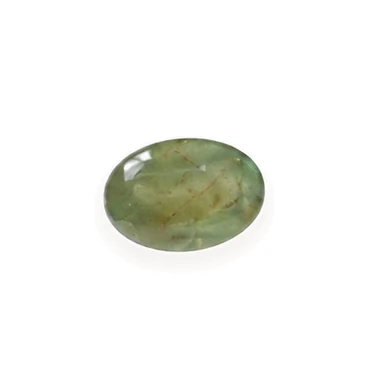
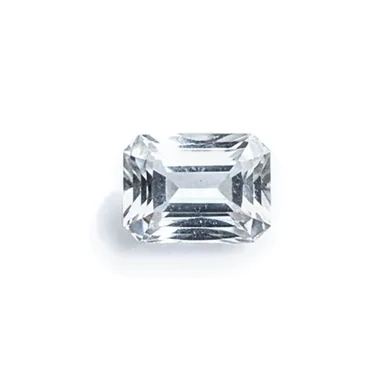
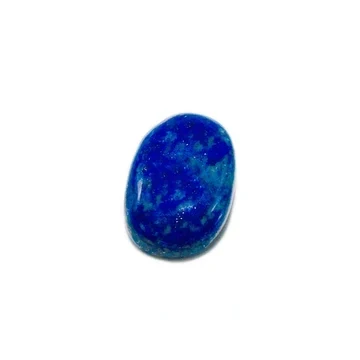
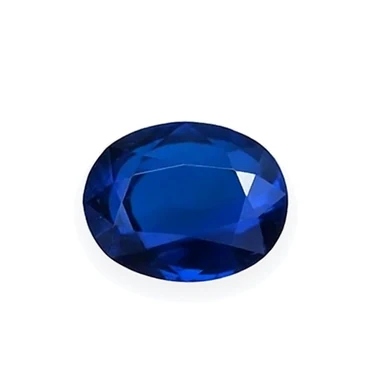
Shop stones by origin
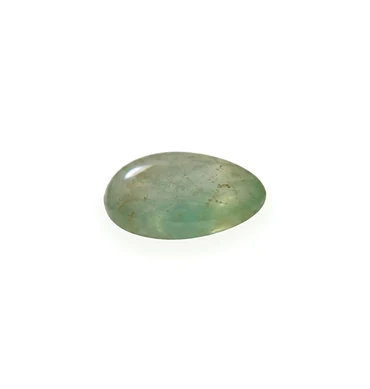
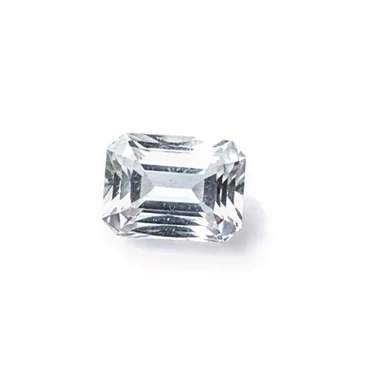
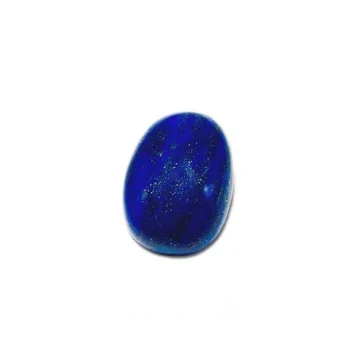
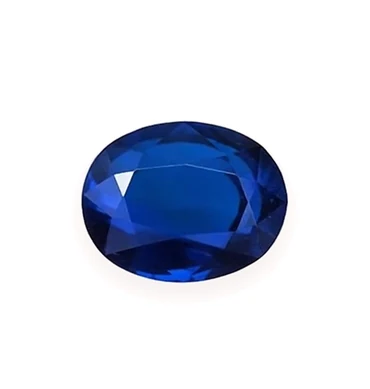
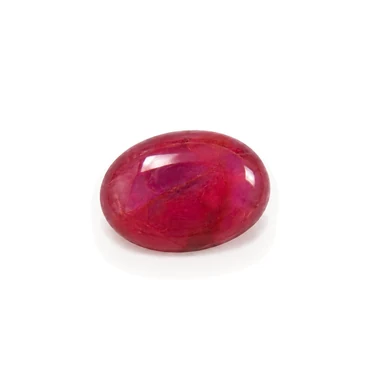
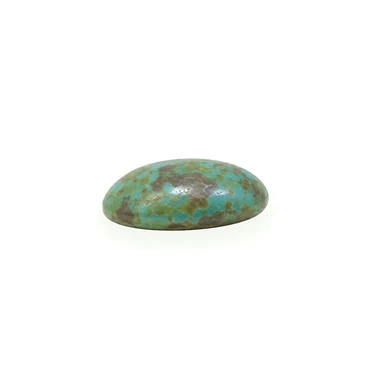
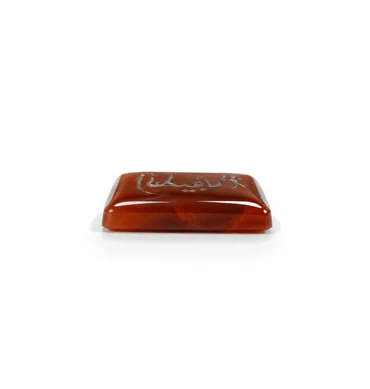
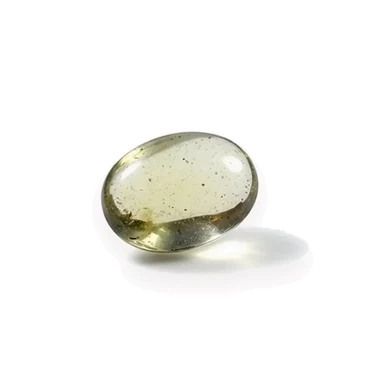
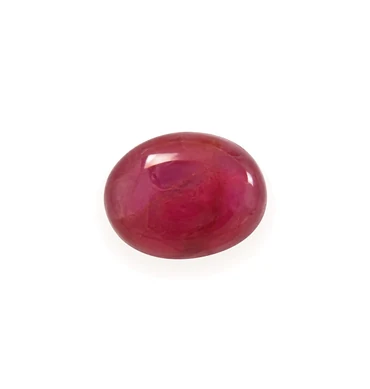
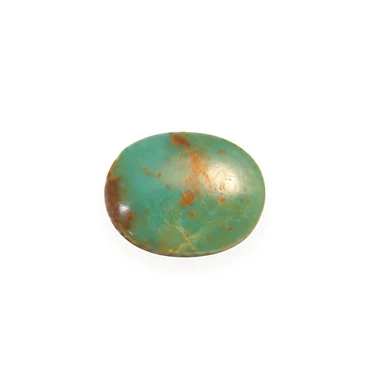
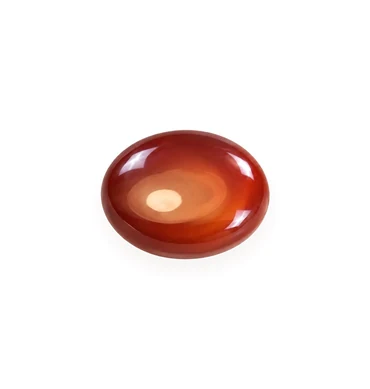

Written by Sameer
Reviewed on
Origin: why people care, and why it is hard to pin down
Some mines became famous because they turned out fine stones with a look people could recognise, and over time buyers started paying extra for the name itself. The catch is that the same mineral from two different countries can look exactly alike. No seller can tell origin by eye, and neither can a customer. Some gem labs will give an origin opinion based on inclusions and trace elements, but that is an expert's judgement, it isn't possible for every stone, and for many stones the fee is high compared with the stone's value.
We suggest three simple rules:
- If there is no lab report, take an origin name as a description of the stone's style, not as a fact.
- Judge the stone you are actually holding: colour, clarity, cut and treatment. A beautiful stone from a little-known mine is still a beautiful stone.
- Ask the seller, in writing, what is known about the origin and how they know it. If you want, have it checked at an independent lab.
How origin names get used in the bazaar
A famous name travels much further than the stones ever did. Words like "Burmese", "Kashmiri", "Ceylon", "Nishapuri" and "Yemeni" get attached to any stone with the look people expect from those places. Sometimes that is fair shorthand. Sometimes it is just a way to push the price up. If a seller names an origin, ask three things: how do you know, is there a lab report, and has the stone been treated? An honest answer about treatment usually tells you more about value than any origin label.
Pakistan and its neighbours
Swat emerald
The mines near Mingora in Swat give a strong green with a slight blue edge. The stones are usually small and heavily included, and clean ones are genuinely rare. People in Pakistan are proud of Swat emerald, rightly so. Most emeralds are oiled to hide fissures, and that should always be disclosed. Our guide to identifying a natural emerald goes into detail.
Gilgit-Baltistan: aquamarine, topaz and tourmaline
Around Shigar and Skardu the pegmatite mines produce long, clear aquamarine crystals in pale to medium blue, plus topaz and tourmaline in a wide spread of colours. Many collectors' crystals come from here too. Pakistan's pink topaz, meanwhile, comes from Katlang in Mardan district. See aquamarine, topaz and tourmaline.
Kohistan peridot and Hunza ruby
High-altitude Kohistan is known for peridot that is big, clean and lively green. Hunza ruby grows in marble and tends towards pinkish or purplish red, often opaque or with plenty of inclusions. See peridot and ruby.
Afghan lapis lazuli
Sar-e-Sang in Badakhshan has been mined for lapis for thousands of years, and most good Lajward in this part of the world still comes from there. The best has a deep, even blue, small golden flecks of pyrite and very little white calcite. Our guide to grading Lajward explains more.
Stones from further away
Ceylon and Nigerian sapphire
Sri Lankan, or Ceylon, sapphire is known for bright, lighter cornflower blues and for fine yellow sapphire (Pukhraj). Nigerian sapphire tends to be darker and deeper, sometimes with a green tint, and often costs less. Both are routinely heated, which should be declared. Read where Neelam comes from for the longer version, and browse sapphire and yellow sapphire.
Mozambique and Madagascar ruby
Mozambique is now one of the biggest ruby sources, with clean, strong reds, many of them heated and some untreated. Madagascar gives both ruby and sapphire in a range of tones. Glass-filled ruby, which is heavily treated, can come from almost anywhere, so always ask whether a ruby is filled. Our article on reading a ruby helps.
Nishapuri feroza
The turquoise mines near Nishapur in Iran set the benchmark for sky-blue feroza with little matrix. In the trade, "Nishapuri" often means that look rather than a proven mine. See our feroza guide.
Yemeni aqeeq
Yemen has the oldest name for aqeeq, particularly the deep, glowing red carnelian. Agate is found in many countries, though, so "Yemeni" usually describes a style. See our aqeeq for men guide and aqeeq.
Ethiopian opal
Ethiopia, mainly the Wollo region, produces bright white and crystal opal with strong play-of-colour. Much of it is hydrophane: it soaks up water and can go clear for a while when wet, so keep it dry. See Ethiopian opal and our wider opal range.
Baltic amber
Baltic amber is tree resin fossilised over millions of years. It feels warm and weighs very little. Younger copal and plastic are often sold in its place. Read amber or copal? and browse amber.
Quick reference
| Origin | Stones | Category |
|---|---|---|
| Swat, Khyber Pakhtunkhwa | Emerald (Zamurd) | Emerald |
| Gilgit-Baltistan (Shigar, Skardu) | Aquamarine (Beruj), topaz, tourmaline | Aquamarine, Topaz, Tourmaline |
| Katlang, Mardan | Pink topaz | Topaz |
| Kohistan | Peridot (Zabarjad) | Peridot |
| Hunza | Ruby (Yaqoot) | Ruby |
| Badakhshan, Afghanistan | Lapis lazuli (Lajward) | Lapis Lazuli |
| Sri Lanka (Ceylon) | Blue sapphire (Neelam), yellow sapphire (Pukhraj) | Sapphire, Yellow Sapphire |
| Nigeria | Blue sapphire | Sapphire |
| Mozambique | Ruby | Ruby |
| Madagascar | Ruby, sapphire | Ruby |
| Nishapur, Iran | Feroza (turquoise) | Feroza |
| Yemen | Aqeeq (agate, carnelian) | Aqeeq |
| Ethiopia | Opal | Ethiopian Opal |
| Baltic coast | Amber (Kehruba) | Amber |
What we say about origin
We sell natural stones only, and we tell you about any treatment we know of. If you want to know what we know about where a particular stone came from, message us on WhatsApp before you order, and you are always free to have a stone tested by an independent lab. Our prices follow colour, clarity, size and treatment as much as origin, and you can browse by budget.
References
Related
