

Stones in Muslim tradition
Dur-e-Najaf: Clear Quartz and the Najaf Tradition درِ نجف
In short: Dur-e-Najaf is natural, colourless quartz, also called rock crystal, and it takes its name from Najaf in Iraq, the holy city where Hazrat Ali is buried. It is worn mostly in Shia families as a stone of devotion. What gives it value is being real natural crystal, so the buyer's job is mainly to rule out glass and cubic zirconia.
Dur-e-Najaf is natural colourless quartz, known as rock crystal, and it is named after Najaf in Iraq, the holy city where Hazrat Ali (may Allah be pleased with him) is buried. It is worn mostly in Shia families as a stone of devotion. Its worth lies in being genuine natural crystal, so a buyer mainly needs to rule out glass and cubic zirconia.
- Mineral
- Quartz (rock crystal)
- Colour
- Colourless
- Hardness
- 7 on the Mohs scale
- Name
- Pearl of Najaf
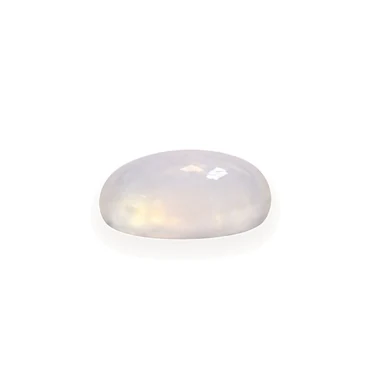
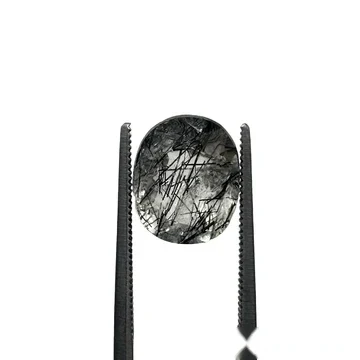
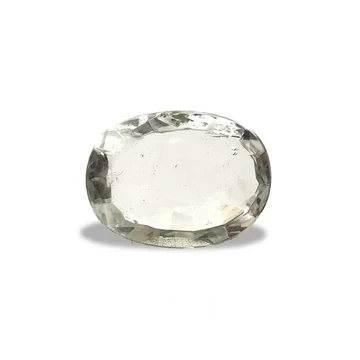
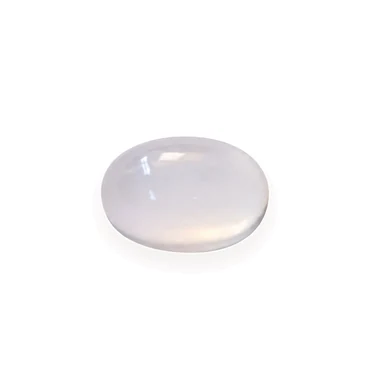
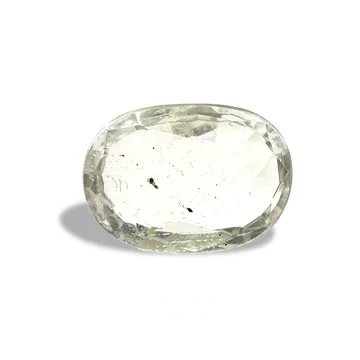
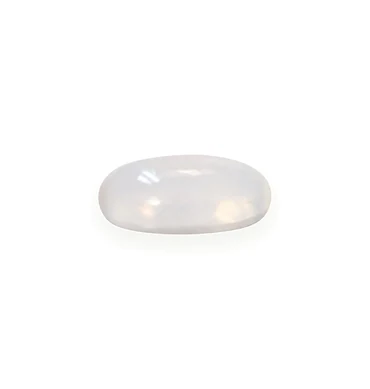
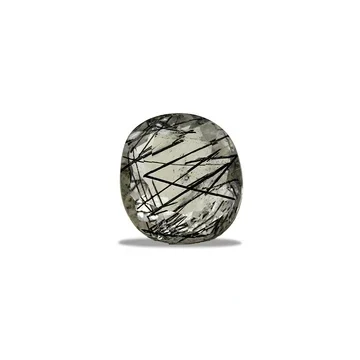
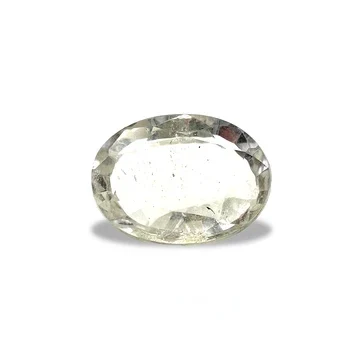
On the tray today
Shop Dur-e-Najaf
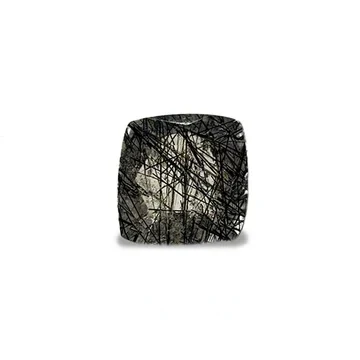
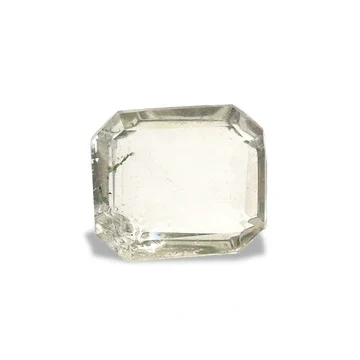
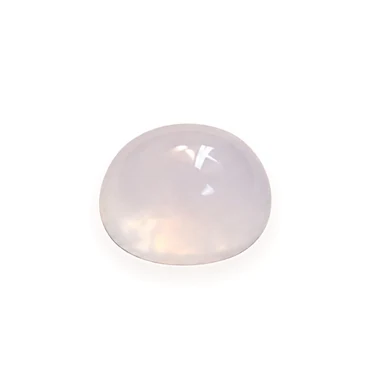
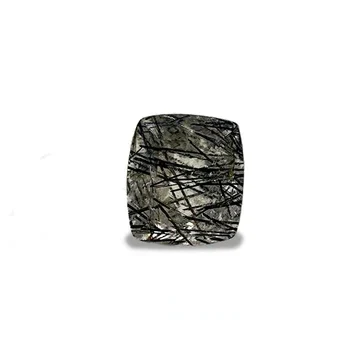
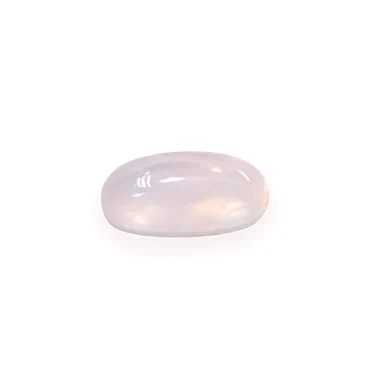
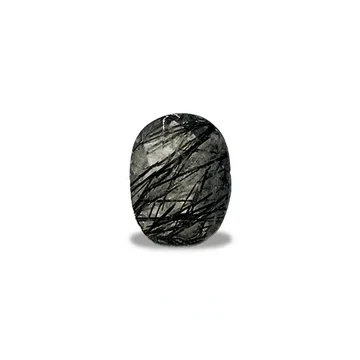
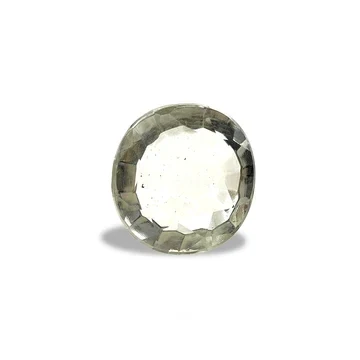

Written by Sameer
Reviewed on
Traditional belief vs gemmology: anything on this page about luck, protection, planets, healing or religious tradition describes traditional and cultural beliefs — not proven effects, religious rulings or medical advice. A stone's identity, hardness, treatment and origin are gemmology, which a lab can test; the references at the end of the page cover that side.
What the name means
"Dur" is the word for pearl, so Dur-e-Najaf is "the pearl of Najaf". Tradition holds that the first of these stones were found near Najaf, and the name has since been given to clear quartz from anywhere. Shia devotional writing records sayings, attributed to the Imams, that recommend wearing Dur-e-Najaf, and it is often listed with aqeeq and feroza among the stones a believer may wear. Scholars do not agree on the chains of transmission behind these narrations. Families wear it hoping for a clear heart, for protection and for nearness to the Ahl al-Bayt. These are beliefs rather than promised results, and we do not give rulings on them.
How real Dur-e-Najaf looks
Natural rock crystal is clear as water but rarely flawless. Look through a loupe and you will normally find soft wispy veils, minute crystals or faint feathers. It sparkles with a bright white light rather than flashes of rainbow colour. In your hand it feels cool and keeps that coolness for a moment.
- Glass: contains perfectly round bubbles, warms up fast in the palm and has softer, rounded facet edges.
- Cubic zirconia: feels heavier for its size and throws bold flashes of red, green and blue.
- Quartz: is doubly refractive, so in a bigger stone a loupe may show the back facet edges ever so slightly doubled.
For a fuller walk-through of these checks, read our article Dur-e-Najaf, glass or zircon.
Quality and price
Rock crystal is plentiful in nature, so a genuine Dur-e-Najaf is not an expensive stone; its price depends on clarity, cut and size. A water-clear piece with few inclusions and good proportions is worth more than a milky one. If someone offers a large, flawless stone with strong rainbow fire for very little, suspect glass or zircon.
Cuts and settings
For rings, Dur-e-Najaf is cut into ovals, cushions and domed cabochons, and for tasbih it is shaped into beads. Like aqeeq, many men wear it in silver on the little finger of the right hand. Some stones carry engraved names or short duas. Because the stone is transparent, a closed back with polished silver underneath bounces light up through it and makes it look livelier.
Looking after it
With a hardness of 7 on the Mohs scale it copes with daily wear, but a hard knock can still chip an edge, so a bezel setting is a wise choice. A clear stone shows every trace of soap and hand cream; wash it in warm soapy water with a soft brush and dry it with a lint-free cloth.
Stones that sit alongside it
Moh-e-Najaf is the same quartz with golden needles running through it; see our Moh-e-Najaf guide and Moh-e-Najaf stones. For a colourless stone with more sparkle, compare white topaz. To read about the wider tradition, see our Islamic gemstones guide or browse aqeeq.
Buying Dur-e-Najaf from Authentic Gems
Each stone in our Dur-e-Najaf collection is natural quartz and is photographed by itself. Ask and we will provide a certificate or arrange lab testing. We ship from Karachi with Cash on Delivery, so you can open the parcel and look at the stone before you pay.
References
Related
