

Islamic gemstones
Moh-e-Najaf: Rutilated Quartz, Its Tradition and How to Buy موہِ نجف
In short: Moh-e-Najaf is rutilated quartz, meaning clear or smoky quartz with fine needles of rutile inside, usually golden. The name translates as hair of Najaf, since the needles look like strands of hair. In Pakistan it is worn as a devotional stone, often in the same Shia families that wear Dur-e-Najaf.
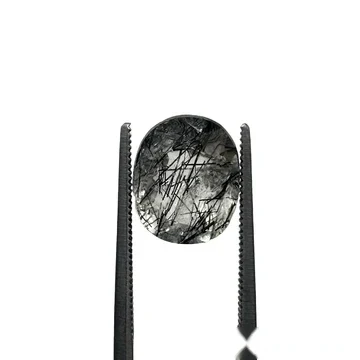
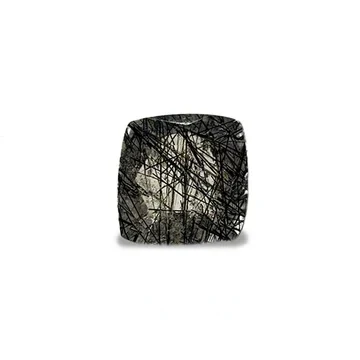
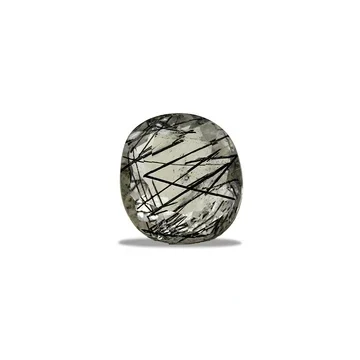
Moh-e-Najaf is rutilated quartz: clear or smoky quartz with fine needles of rutile running through it, most often golden. Its name means "hair of Najaf", because the needles look like strands of hair. Pakistani families wear it as a devotional stone, often alongside Dur-e-Najaf.
- Mineral
- Rutilated quartz
- Inclusions
- Rutile needles, often golden
- Hardness
- 7 Mohs
- Name
- Hair of Najaf
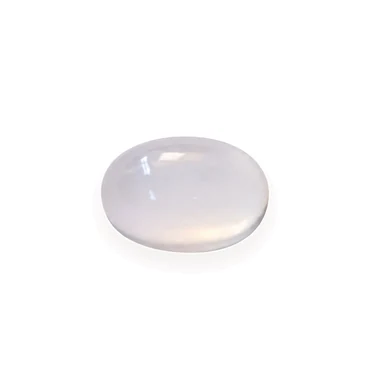
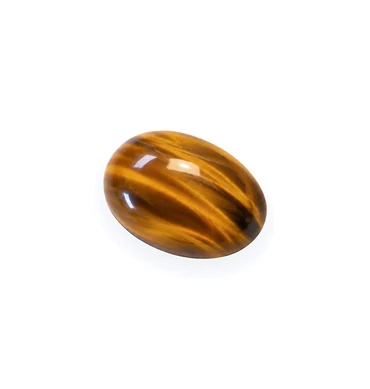
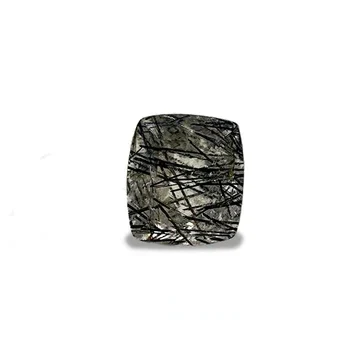
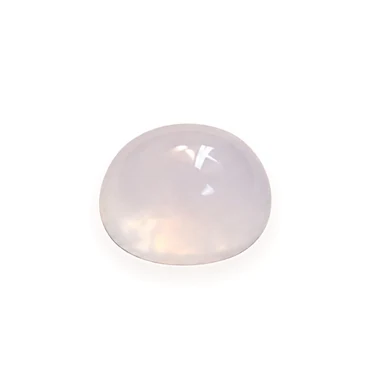
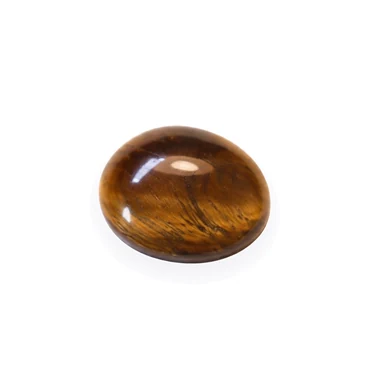
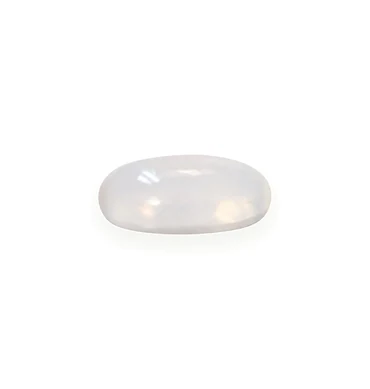
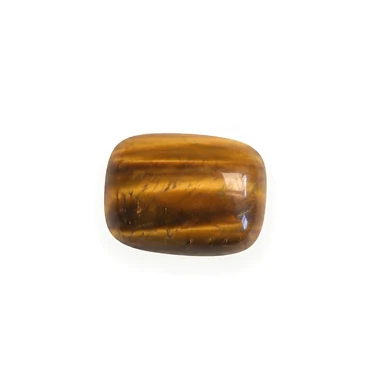
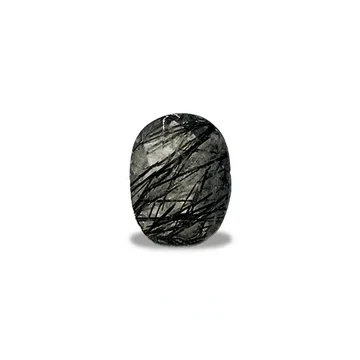
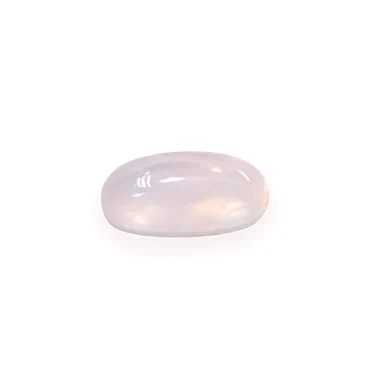
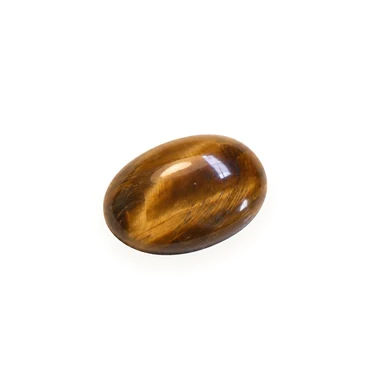
On the tray today
Shop Moh-e-Najaf

Written by Sameer
Reviewed on
Traditional belief vs gemmology: anything on this page about luck, protection, planets, healing or religious tradition describes traditional and cultural beliefs — not proven effects, religious rulings or medical advice. A stone's identity, hardness, treatment and origin are gemmology, which a lab can test; the references at the end of the page cover that side.
Where the name comes from
Moh-e-Najaf shares its name with Dur-e-Najaf, and both point to the holy city of Najaf in Iraq. Mineral-wise they are the same thing, quartz; the only difference is the rutile needles inside Moh-e-Najaf. It is especially loved in Shia families, usually set in silver and worn on the right hand. Specific narrations about it are quoted less often than those about aqeeq or Dur-e-Najaf, and its place in people's lives comes mostly from the connection to Najaf and from what families have always done. People wear it as a reminder of faith and in the hope of steadiness and protection. These are beliefs, not guarantees, and we do not give religious rulings.
So what is rutile?
Rutile is titanium dioxide. It formed as fine needles, and as the quartz crystal grew it closed around them, sealing them deep inside. Golden and reddish needles are the ones people prize most, though silver and black needles turn up too. The quartz holding them can be water-clear or a smoky brown.
Checking that it is real
The usual imitation is glass with fibres pressed into it. Real rutile needles criss-cross, fan out, bend a little, change thickness and sit at different depths in the stone. Fibres in glass tend to lie in tidy parallel lines, all at one level. Glass also shows round bubbles and warms up quickly in your palm. Our article Moh-e-Najaf or glass? walks through each test and what you should see.
Why one stone is finer than the next
- Colour of the needles: deep gold or coppery red shows up most strongly.
- How they spread: needles that fill the whole stone evenly look far better than a small cluster in one corner.
- Clarity of the quartz: clear quartz lets the needles stand out; cloudy quartz buries them.
- Cut: a smooth cabochon or a softly faceted top lets you see the needles from many angles.
All of these count for more than size. We price every stone individually, and you can browse by budget.
Settings that work
The classic ring is a cabochon held in a plain silver bezel. An open back lets light come through from behind so the needles glow; a closed, polished back makes the stone brighter but a little flatter. Bigger stones also make handsome pendants, where the needles are easier to see and enjoy.
Daily wear and care
At 7 on the Mohs scale, it is tough enough for a ring you wear every day. Where needles reach the surface they can leave tiny pits; that is normal and not damage. Wash it in warm soapy water with a soft brush.
Stones to compare
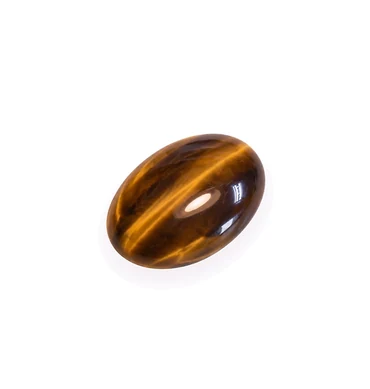
If you want clear quartz with no needles, our Dur-e-Najaf guide is the place to start. For a golden stone with a band of light that moves, look at tiger eye. For the broader tradition, read our Islamic gemstones guide or browse aqeeq. Each stone in our Moh-e-Najaf collection is photographed on its own, and with Cash on Delivery you open the parcel and see it before you pay.
References
Related
