

Birthstones by month
December Birthstone: Feroza and Tanzanite Guide دسمبر
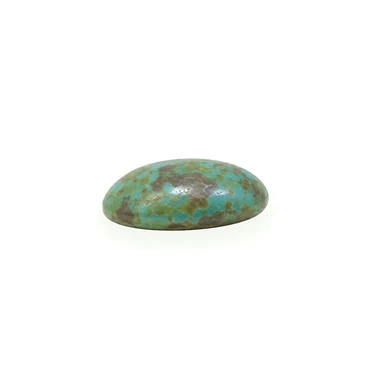
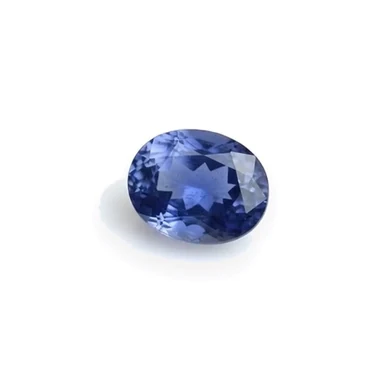
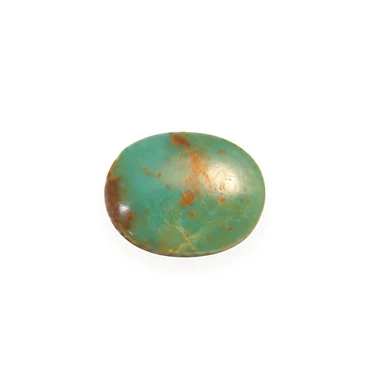
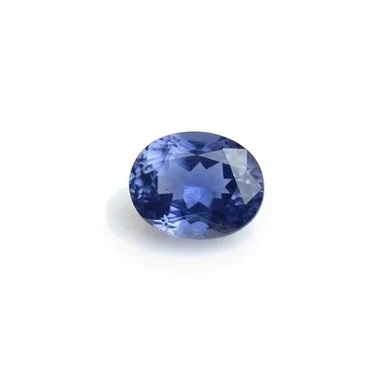
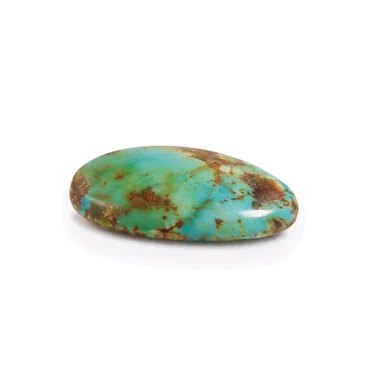
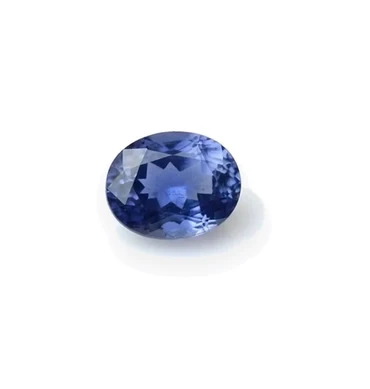
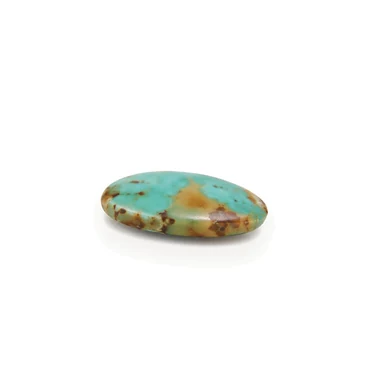
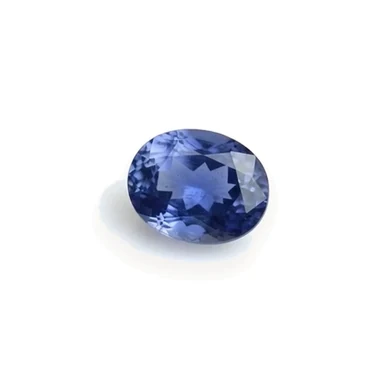
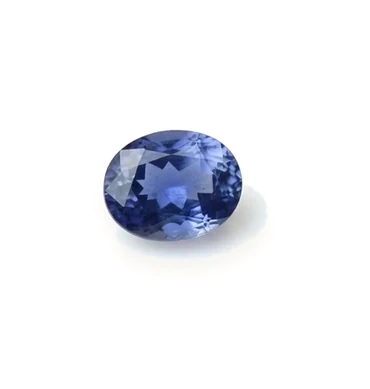
In short: We offer two of December's birthstones: feroza (turquoise) and tanzanite. Feroza is an opaque sky-blue stone that has been worn in Iran, Central Asia and Pakistan for centuries. Tanzanite is a transparent violet-blue gem mined commercially in just one small part of Tanzania. Both are softer than sapphire, so pendants and carefully worn rings suit them best.
From December's birthstones we stock feroza (turquoise) and tanzanite. Feroza is an opaque sky blue that people across Iran, Central Asia and Pakistan have worn for centuries. Tanzanite is a clear violet-blue gem mined commercially in only one small corner of Tanzania. Neither is as hard as sapphire, so both are happiest in pendants or rings worn with care. The modern list also names zircon for December.
- Month
- December
- Birthstones
- Feroza (turquoise), tanzanite
- Urdu name
- Feroza
- Colours
- Sky blue; violet-blue
- Mohs hardness
- Feroza 5–6; tanzanite 6–6.5
- Usual treatment
- Feroza stabilised; tanzanite heated (we disclose both)

Written by Sameer
Reviewed on
Traditional belief vs gemmology: anything on this page about luck, protection, planets, healing or religious tradition describes traditional and cultural beliefs — not proven effects, religious rulings or medical advice. A stone's identity, hardness, treatment and origin are gemmology, which a lab can test; the references at the end of the page cover that side.
Where these stones come from
Feroza is a Persian word, and the turquoise of Nishapur in Persia has long been held up as the finest. In Pakistan feroza rings are everywhere, and plenty of families see the stone as one of protection and good luck; our feroza page looks at its place in the traditions of this region. Tanzanite, by contrast, is a newcomer. It was discovered in the 1960s and joined the December list only in 2002.
What to look for in feroza
- Colour. A clear, even sky blue is what people pay most for. Greener stones sell for less.
- Matrix. Dark veins of the host rock are natural, and some buyers actively want them. A pure blue with no matrix at all is harder to find.
- Treatment. A lot of turquoise is stabilised so that it is harder and holds its colour. Sellers should say so, and we do.
What to look for in tanzanite
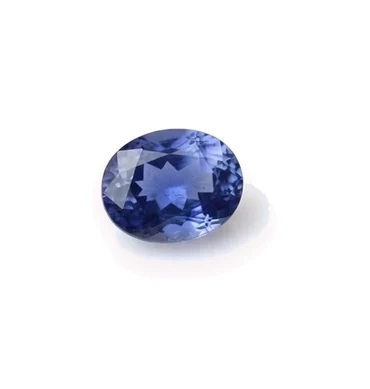
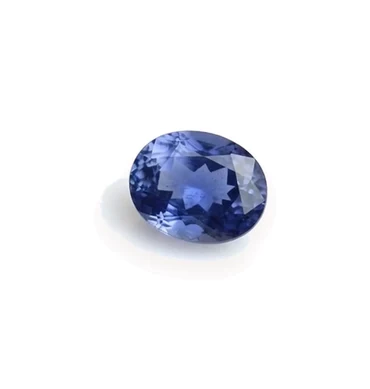
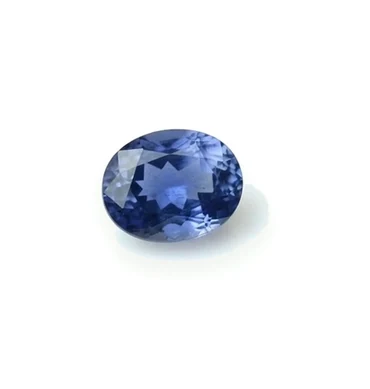
Turn a tanzanite and it moves between blue, violet and sometimes a burgundy flash. The deepest violet-blue is the most valued, and the colour grows richer as the stone gets bigger. It should look clean to the eye. Almost all tanzanite is heated to bring the blue forward, which is standard. Browse feroza, tanzanite, or the dark blue of lajward (lapis lazuli).
Catching the fakes
- The most common fake feroza is dyed howlite or magnesite. The dye collects in cracks, and if it chips you see white underneath.
- Plastic and reconstituted turquoise feel light in the hand and look too uniform.
- Glass and synthetic copies are sold as tanzanite. A real one plainly shifts from blue to violet as you rotate it.
- We can provide a certificate on request and arrange independent lab testing.
Read more in reading feroza and December birthstones compared.
Looking after them
Feroza is porous. Keep oils, attar, soap and cosmetics off it, do not leave it soaking, and dry it after wudu or washing your hands. Tanzanite is 6–6.5 on the Mohs scale, so guard it against knocks and sudden heat or cold, and skip the ultrasonic cleaner. There is more in tanzanite in tradition and practice.
December gifts
December is when the winter shaadi season is at its busiest, and a feroza ring has long been a gift for a dulha, a father or a brother. Tanzanite's violet-blue suits a bride who wants something a little unusual. Either stone works well for a December birthday or for Eid.
References
Related
