

Birthstones by month
Opal and Tourmaline: The October Birthstones اکتوبر
In short: October is one of the months with two birthstones, opal and tourmaline. Opal is loved for play-of-colour, the rainbow flashes that move as you turn it, while tourmaline is harder and comes in nearly every colour, pink being the traditional October pick. Pakistan's north is a known source of fine tourmaline, and opal asks for gentler handling.
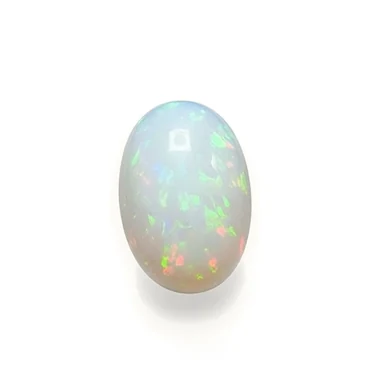
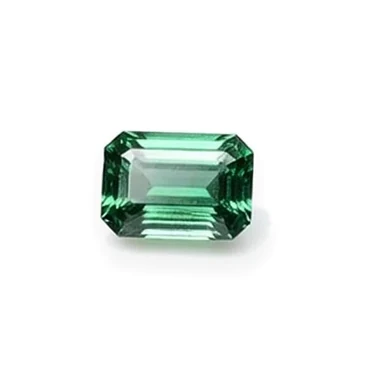
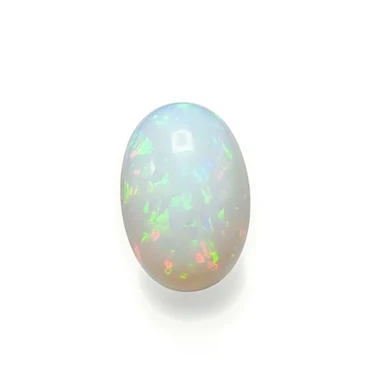
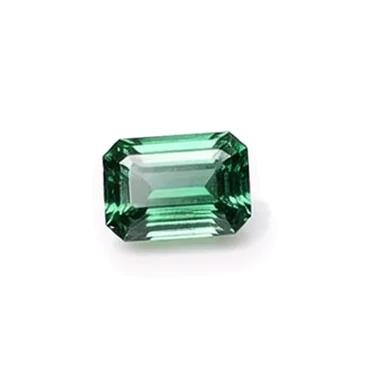
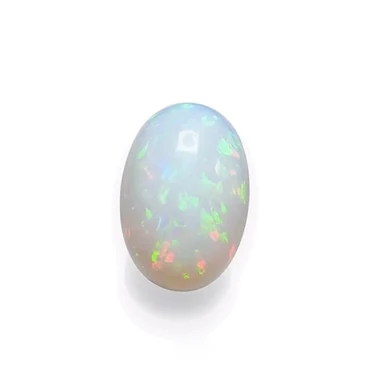
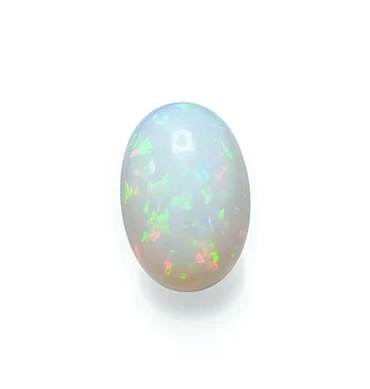
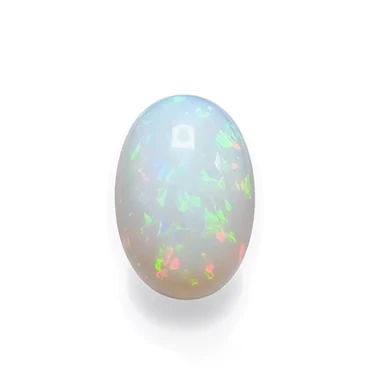
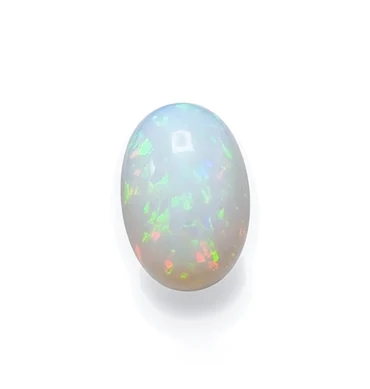
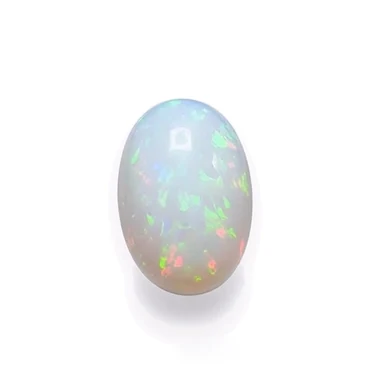
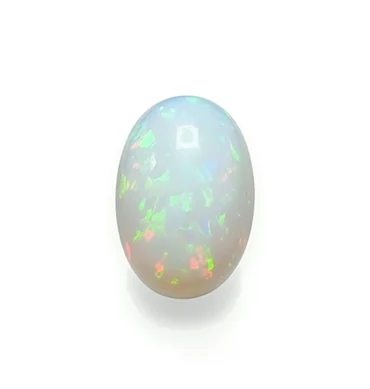
October is lucky enough to have two birthstones, opal and tourmaline. Opal is famous for play-of-colour, the flashes of rainbow colour that shift as you tilt it. Tourmaline is the harder of the two and comes in almost every colour, with pink being the traditional October choice. Fine tourmaline crystals are also mined in Pakistan's north.
- Month
- October
- Birthstones
- Opal, tourmaline
- Colours
- Opal: play-of-colour; tourmaline: pink, green and many more
- Mohs hardness
- Opal 5.5–6.5; tourmaline 7–7.5
- Pakistani source
- Tourmaline from the northern areas
On the tray today
Shop opal and tourmaline

Written by Sameer
Reviewed on
Traditional belief vs gemmology: anything on this page about luck, protection, planets, healing or religious tradition describes traditional and cultural beliefs — not proven effects, religious rulings or medical advice. A stone's identity, hardness, treatment and origin are gemmology, which a lab can test; the references at the end of the page cover that side.
A little history
Roman writers ranked opal among the finest gems, and many trace its name back to a Sanskrit word meaning stone. In Vedic tradition opal is worn for Venus, known as Shukra. Tourmaline takes its name from a Sinhalese word, and for hundreds of years it was confused with other gems. Pink tourmaline was later added to October as a sturdier option than opal. Traditionally, both are associated with hope and creativity.
How to choose an opal
- Brightness first. Lively, strong flashes count for more than carat weight.
- Which colours flash. Red flashes are rarer than green and blue ones.
- Where it comes from. Ethiopian opal is bright and very popular, but some of it soaks up water and looks different until it dries out. Australian opal is steadier around water.
How to choose a tourmaline
With tourmaline, start with colour. Pink and green are the classic choices, and watermelon tourmaline shows both in one stone. Small inclusions are normal in pink tourmaline, while green stones tend to be cleaner. Browse opal and tourmaline, or compare them with pinkish-violet kunzite.
Spotting imitations
- A doublet or triplet is a thin slice of opal glued onto a backing. Look at the stone side-on; a perfectly straight join line gives it away.
- Synthetic opal usually has an orderly, snakeskin-like pattern in its patches of colour.
- Plastic and glass fakes feel light and warm in the hand and have no real depth to them.
- Pink glass is sometimes passed off as tourmaline, so check for bubbles. A certificate can be provided if you ask.
Caring for both stones
Opal sits at only 5.5–6.5 on the Mohs scale and contains water, so protect it from heat, sudden changes in temperature and strong chemicals. Clean it with a damp, soft cloth rather than dunking it, and be especially careful with Ethiopian opal. Tourmaline, at 7–7.5, is happy in lukewarm soapy water. Read more in buying opal and tourmaline wisely, wearing opal and tourmaline's many colours.
Gifting in October
An opal pendant, with colour that changes every time she moves, is a lovely present for a wife or daughter born in October. Pink tourmaline matches the pink and peach outfits you see so often at baraat and walima events. October is also when the wedding season starts for many families, so either stone works well as a gift for the bride. And for Eid, a tourmaline from Pakistan's own north comes with a local story attached.
References
Related
