
In this article
- Why amber prices look odd at first
- Our current amber prices
- What decides the price of kehruba
- Copal and plastic: where buyers lose money
- Per ratti, per gram and per piece
- Comparing two quotes fairly
- Budget bands, using our price filters
- Valuing old family kehruba
- Looking after it protects its value
- Kehruba tasbih and traditional use
- Where to begin
- خلاصہ

Written by Sameer
Reviewed on
Kehruba, as amber is called in Pakistan, is not a mineral at all. It is tree resin that has fossilised over millions of years, and it gets priced by its own rules. It is light and warm to hold, and softer than any ordinary ring stone. Its colours run from pale lemon to deep cherry, and now and then a piece holds a tiny plant or insect caught in the resin long ago. It is also among the most faked materials you will find in the bazaar, where young copal, pressed amber and plain plastic all get sold as the same thing.
Below we explain why one piece of kehruba costs more than another, show our own current prices per stone, per carat and per ratti, and give you a simple way to compare quotes. That includes why amber's low weight makes its per-carat pricing look so different from other stones.
Why amber prices look odd at first
Nearly all gemstones are dense. Amber is the exception. Its specific gravity is only about 1.05 to 1.10, hardly heavier than water, compared with 2.65 for quartz and around 4 for sapphire. So a carat of amber is a much bigger piece than a carat of most other stones. For a buyer, that means two things:
- You cannot set a per-carat price for amber against a per-carat price for other stones. A rate that looks small buys a surprisingly large piece.
- Big amber stones and beads pile up carats quickly, so some dealers price by the piece, by the gram or by the strand instead of by the ratti.
Bear this in mind when you read the table below, and when you weigh up a ring stone against a tasbih or a bead necklace.
Our current amber prices
We build this table from our own amber listings and update it every month. It shows the lowest, typical and highest price per stone, with the same three figures per carat and per ratti.
| Weight | Weights | Stones | Per carat | Per ratti |
|---|---|---|---|---|
| All Amber in stock | 1.8 – 1.8 ct | 2 | Rs 1,500 – Rs 1,500 | Rs 1,350 – Rs 1,350 |
The per-ratti figures use the gemstone ratti of 0.91 carat, which is the standard for stones in Pakistan. The jeweller's sunari ratti is smaller, around 0.61 carat, so convert any quote before comparing it. Our carat to ratti converter does the maths for you. We only carry a handful of amber pieces, so the table rests on a few stones. For the wider market across different stones, see the monthly gemstone price guide.
What decides the price of kehruba
1. Colour
Amber gets its colour from the original resin and from slow natural ageing. Honey yellow and cognac are the colours most people know, and they make up most of the market. A few colours turn up less often and usually cost more:
- Cherry or deep red, which is uncommon in natural amber that has not been heated.
- Green amber, much of which is created by heat and pressure treatment. That should always be disclosed.
- Butterscotch or "egg-yolk" opaque amber, sought after in some markets, particularly in old beads.
- Blue amber from the Dominican Republic, which glows blue in sunlight and under UV, and is one of the priciest kinds.
2. Clarity and transparency
Clear, see-through amber shows off its colour best, and most people prefer it for ring stones and pendants. Cloudy amber is packed with tiny bubbles that give it a milky look. Some collectors like it, especially in fully opaque form, but for an everyday ring stone the clearer piece usually costs more.
3. Inclusions
Bits of plant and small bubbles are common and do little to the price. A whole, well-preserved insect or tiny creature that you can see clearly is another matter. It can multiply the value of a piece, and the rarer and clearer it is, the higher the price goes. That is exactly why fake inclusions exist. If a cheap, flawless piece has a perfect insect sitting right in the middle, be suspicious.
4. Natural, heated or pressed
- Natural amber, polished from one piece with no treatment, is worth the most.
- Heated or clarified amber has been warmed, sometimes under pressure, to clear the cloudiness or darken the colour. Flat, disc-shaped "sun spangles" inside give it away. It is still real amber and fine to buy when disclosed, but it is priced below untreated material.
- Pressed amber, also called reconstructed amber or ambroid, is made by fusing small fragments together under heat and pressure. The material is real amber, but it is worth far less than a solid piece.
5. Size and shape
Big clean pieces are harder to find, so the price climbs with size. Neat cabochons, matched beads and carved pieces cost more than rough polished nuggets. In a strand of beads, matching size and colour all the way along adds value.
6. Origin
Baltic amber, from the coasts of the Baltic Sea, is the best-known source and accounts for much of the world trade. Dominican amber is famous for its clarity, its inclusions and its blue amber. Burmese amber, known as burmite, is very old and often reddish. Origin can affect the price, particularly for Dominican blue and Burmese material, but everyday pieces rarely come with any proof of it.
Copal and plastic: where buyers lose money
The costliest mistake with kehruba is paying an amber price for something that is not amber.
- Copal is young resin, thousands of years old rather than millions. It looks very much like amber and it is natural, but it is softer, can crack and go sticky over time, and is worth far less.
- Plastic and resin imitations can copy amber's colour and warmth closely. They usually sink in strong salt water, while amber floats.
- Glass feels heavy and cold, and is easy to rule out.
Our guide Amber or Copal? Five honest tests walks you through the saltwater float, the UV torch and other checks. Whoever you buy from, ask them to write "natural amber" on the invoice and to say whether it is pressed or heat-treated.
Per ratti, per gram and per piece
In Pakistani markets you may see kehruba priced three ways: per ratti for ring stones, per gram for beads and rough, and per piece or per strand for a tasbih or necklace. Any of them is fair as long as it is clear. To compare:
- Turn everything into carats. One gram is 5 carats. One gemstone ratti is 0.91 carat. One sunari ratti is about 0.61 carat.
- Ask for the weight of the amber by itself, without thread, clasp or setting.
- Only compare per-carat prices between similar pieces. Clear honey amber, cherry amber, pressed amber and copal are different products.
Comparing two quotes fairly
- Same material. Natural amber, heated amber, pressed amber or copal? Get it in writing.
- Same quality. Put them side by side in daylight and look at colour, clarity and inclusions.
- Same unit. Convert to carats with the right ratti.
- Same item. A stone already in a silver ring, or a strung tasbih, includes labour and materials. Ask for the amber price on its own.
- Same terms. Can you check it before paying, and send it back if it is not what was described?
Budget bands, using our price filters
The budget filters in our shop show what each level gets you across all stones:
- The entry band: starter stones and small pieces.
- The second band: everyday ring stones and pendants.
- The third band: bigger or finer pieces.
- The top band: exceptional colour, size or rarity.
We only hold a little amber, so the price table above is the best guide to where our current pieces sit.
Valuing old family kehruba
A lot of Pakistani families have old kehruba beads or a tasbih handed down over generations. Older pieces are often opaque butterscotch or a deep, darkened honey, because amber slowly oxidises and darkens on the surface over the decades. Age on its own does not decide the price. The same factors apply, plus condition, so look for cracks, fine crazing on the surface and wear around the drill holes. Before you sell or value an old piece, make sure it really is amber and not early plastic such as Bakelite or celluloid, both widely used to imitate amber beads. The saltwater float and a UV torch are the gentlest checks to start with.
Looking after it protects its value
Amber is only 2 to 2.5 on the Mohs scale, so it scratches very easily, and perfume, hairspray, alcohol and household cleaners can cloud its surface. Once a piece is scratched or dulled, much of its charm goes. Keep it in a soft pouch of its own, put it on after your perfume rather than before, wipe it with a soft damp cloth, and never use an ultrasonic cleaner or hot water. Amber suits pendants, earrings and beads better than a ring you wear every day. If you do want a ring, choose a bezel that protects the edges. Our gemstone care guide says more about storing soft stones, and our stone setting service page goes through setting options.
Kehruba tasbih and traditional use
Amber tasbih and beads are a popular gift in Pakistan, and because amber is warm and light it is comfortable to hold for a long time. A tasbih is priced as a set, so look for even colour, beads of similar size, clean drilling and strong thread. Check every bead for the seam lines that moulded plastic imitations sometimes show. Our gemstone tasbih page and the guide to choosing a tasbih stone compare amber with aqeeq, Moh-e-Najaf and other choices. Amber also makes a thoughtful Ramadan or Eid gift.
Where to begin
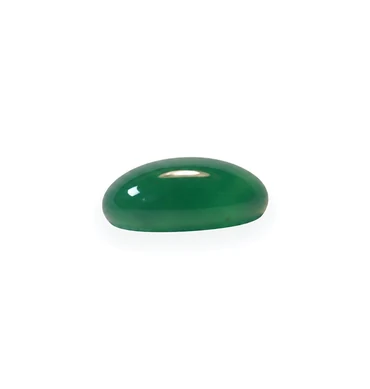
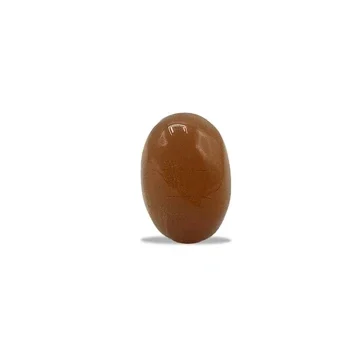
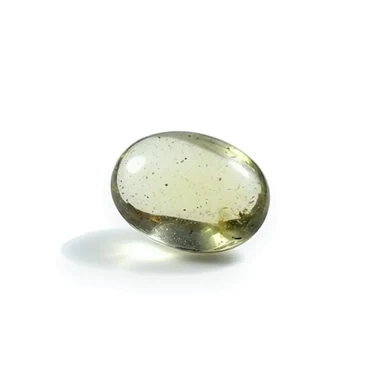
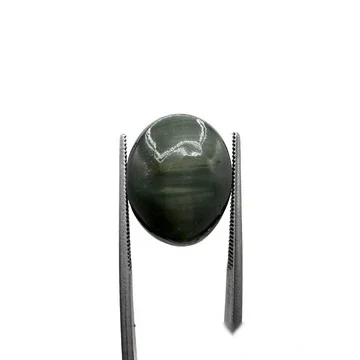
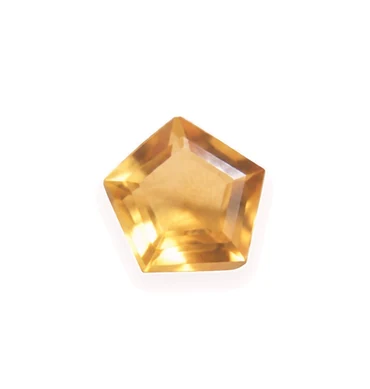
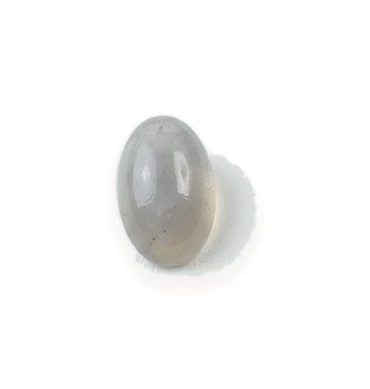
Each piece in our amber collection is photographed and priced on its own. Right now that includes a 1.80 carat natural amber and a second 1.80 carat natural amber. Look at them side by side and you will see how colour and clarity can vary between two pieces of exactly the same weight. If you love warm golden colours but want a harder stone, have a look at our citrine and yellow agate collections.
We confirm every order by phone or WhatsApp and send it out within one working day by insured, tracked courier. In Karachi it usually arrives in 1 to 2 working days, in Lahore, Islamabad and the other big cities in 2 to 4, and in smaller towns within about a week. Delivery is a flat Rs. 500 per order. Pay cash on delivery: open the parcel in front of the rider, check the amber in daylight and pay only if you are happy. Unused pieces can be returned within 7 days, and you are welcome to have any piece tested independently.
Shop the stones: amber.
References