
In this article
- Begin with how you will use it
- The tasbih in tradition
- Aqeeq: the safe all-rounder
- Feroza: lovely, but it changes
- Dur-e-najaf and moh-e-najaf: clear and cool
- Kehruba (amber): light and warm
- Other good options
- Side by side
- What to check before buying a tasbih
- Looking after a stone tasbih
- Buying a tasbih stone from Authentic Gems
- خلاصہ

Written by Sameer
Reviewed on
Traditional belief vs gemmology: anything on this page about luck, protection, planets, healing or religious tradition describes traditional and cultural beliefs — not proven effects, religious rulings or medical advice. A stone's identity, hardness, treatment and origin are gemmology, which a lab can test; the references at the end of the page cover that side.
If your tasbih will be in your hand every day, the most practical stones are aqeeq (agate), dur-e-najaf and tiger eye. They are hard, they keep their polish and they put up with constant handling. Feroza, kehruba (amber) and lapis are beautiful but softer, which makes them better for careful owners and for gifts. Below we compare the usual choices, explain the traditions linked with each, and show you how to check beads before buying. You can read this alongside our tasbih page and the Islamic gemstones guide.
Begin with how you will use it
The right stone depends first on how much time the tasbih will spend in your hand. One used for dhikr after every namaz has its beads knocking together hundreds of times a day, so hardness matters far more than it would for a tasbih kept in a drawer. A tasbih bought as a gift, or kept for special occasions, can be made of softer material with little risk.
Three practical questions narrow it down quickly:
- How hard is the stone? Harder beads keep their shine and do not chip when they knock together.
- How heavy should it feel? Dense stones sit solidly in the palm; lighter materials are easier on the hand during long recitation.
- Does it react to skin oil, attar or water? Porous stones change colour over time. Some people like that and some do not.
Tradition matters as well, and for many families it comes first. We cover the practical and the traditional side here so you can weigh them yourself.
The tasbih in tradition
A tasbih, also called a misbaha or sibha, is a string of beads used to keep count during dhikr. The common forms have 33 or 99 beads, usually split into sections by marker beads, with a longer end piece that many people call the imam. Many Muslims use one for the tasbih of Fatimah after prayer, reciting SubhanAllah, Alhamdulillah and Allahu Akbar in sets.
Scholars differ on counting with beads versus counting on the fingers. We take no position on that; if it matters to you, ask a scholar you trust.
Some stones carry particular associations. Aqeeq is much loved in Muslim tradition, and many people cite narrations about it. Dur-e-najaf takes its name from Najaf. Feroza has a long history in Persian craft and devotional objects. These are traditions held by many families, not rulings, and a tasbih of any honest material does its job. Our Islamic gemstones hub explains these links in more depth, including the aqeeq for men page.
Aqeeq: the safe all-rounder
For daily use, aqeeq is the most practical tasbih stone there is. It is a banded chalcedony quartz at about 6.5 to 7 on the Mohs scale, so the beads resist scratches and keep their polish through years of use. Agate beads also make a soft click against each other that many people find pleasant while reciting.
Aqeeq comes in many colours, each with its own following:
- Aqeeq in red and carnelian shades is the classic, and the one most often sold as Yemeni aqeeq.
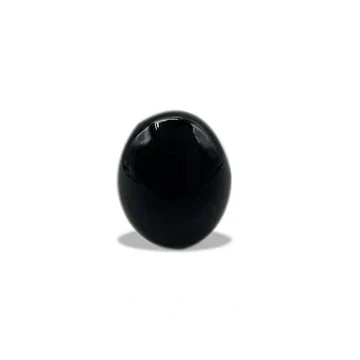
- Black agate is quiet and understated, and popular with men.
- Sulemani agate carries black, brown and white bands, so every bead looks a little different.
- Green, white and yellow agates look lighter and turn up less often as tasbih.
The thing to watch with aqeeq is dye. A great deal of brightly coloured agate has been dyed. That is an old, accepted practice when it is disclosed, and dyed agate is every bit as hard as undyed, but it becomes a problem when it is sold as natural colour. Perfectly identical colour on every bead, or colour gathered along cracks, are both warning signs. Our guide to catching dyed and glass aqeeq covers the checks in full.
Feroza: lovely, but it changes
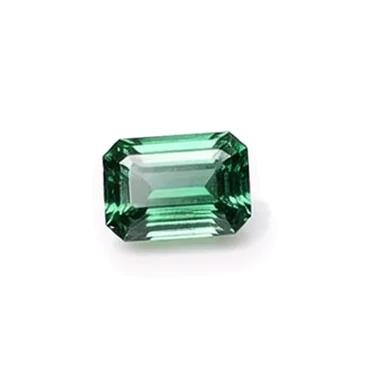
A feroza tasbih looks wonderful, but of the common choices it is the least forgiving. Natural turquoise is fairly soft, around 5 to 6, and porous. Skin oil, sweat, attar and wudu water soak in over the months, and the sky blue can slowly turn greenish. Some owners feel the stone is becoming their own; others are disappointed.
Because it is so porous, much of the turquoise on sale is stabilised, meaning soaked in resin to harden it and fix the colour. Stabilised feroza is honest material when it is declared. In bead form, imitations are the bigger worry: dyed howlite or magnesite, and reconstituted turquoise made from powder pressed with resin, are both common. Read our notes on feroza matrix, colour and stabilisation, see the feroza page for its place in tradition, and browse feroza.
If you do choose feroza for daily use, keep attar off it, take it off before wudu and wipe it with a soft dry cloth.
Dur-e-najaf and moh-e-najaf: clear and cool
Dur-e-najaf is clear rock crystal, or billaur, and a tasbih made of it looks like a string of water drops. Quartz has a hardness of 7, so it lasts, and it stays cool in the hand longer than glass does. Its link with Najaf makes it a meaningful gift for many families.
The risk is glass. Glass beads are cheap to mould, look much the same at a glance, and are often sold as dur-e-najaf. Natural crystal usually shows small inclusions, feathers or a slight haze; glass may show round gas bubbles or swirl lines, and it warms up quickly. Our dur-e-najaf guide explains how to tell them apart, and the dur-e-najaf page covers the tradition. Browse dur-e-najaf stones.
Moh-e-najaf is quartz with fine hair-like needles inside it. It is as hard as dur-e-najaf, with a pattern that many people find calming to look at. See moh-e-najaf and the moh-e-najaf page, plus our note on reading the needles inside.
Kehruba (amber): light and warm
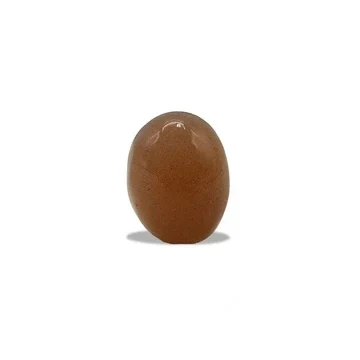
Kehruba is fossilised tree resin, and it is the lightest tasbih material you are likely to hold. It feels warm rather than cool, which suits long sessions, and old amber tasbih are often handed down in families. It is also very soft, around 2 to 2.5, so it scratches easily and should never be stored loose with stone beads.
The usual fakes are plastic and pressed amber, and copal, a far younger resin, is often sold as amber. Amber or copal? Five honest tests shows how to check. See amber.
Other good options
- Tiger eye: golden brown, with a band of light that moves as the bead turns. Quartz-hard and durable. Browse tiger eye.
- Lapis lazuli (lajward): deep blue with gold pyrite flecks. Softer, around 5 to 5.5, so it will show some wear with daily use. Browse lapis lazuli.
- Hematite: metallic grey and heavy in the hand. Many beads sold as hematite are a man-made material called hematine, so ask. Browse hematite.
- Jade: tough, smooth and cool, in soft greens. Browse jade.
Side by side
| Stone | Hardness (Mohs) | How it feels | Best for |
|---|---|---|---|
| Aqeeq (agate) | 6.5 to 7 | Medium weight, soft click | Daily dhikr |
| Dur-e-najaf | 7 | Cool and glassy | Daily use, gifts |
| Tiger eye | 7 | Medium weight | Daily use |
| Feroza | 5 to 6 | Light, waxy | Careful owners, gifts |
| Lapis lazuli | 5 to 5.5 | Medium weight | Occasional use |
| Hematite | 5.5 to 6.5 | Heavy | People who like weight |
| Amber | 2 to 2.5 | Very light, warm | Long recitation, heirlooms |
What to check before buying a tasbih
- Count the beads. Make sure the count is what you need, 33 or 99, plus the markers.
- Look at the drill holes. Clean, centred holes with no chips show careful work. Chipped holes cut through the thread.
- Check the thread. A strong cord that can be restrung beats fishing line, which stretches.
- Compare the beads. Natural stone varies a little from bead to bead. Identical colour and pattern on every bead can mean dye, glass or plastic.
- Feel the temperature. Stone and crystal feel cool at first and warm slowly; plastic feels warm straight away.
- Ask about treatment. A seller should tell you plainly whether the colour is dyed, stabilised or heated.
Our general guide, Real or fake? How to check a gemstone, works for beads as well as single stones.
Looking after a stone tasbih
Most of the care comes down to two habits: keep soft beads away from hard ones, and keep porous stones away from oils. Give each tasbih its own soft pouch. Wipe it with a dry or barely damp cloth, and do not soak it, since water weakens many threads. Keep attar and perfume off feroza, amber and lapis. If the thread starts to fray, get it restrung before it snaps. Our gemstone care guide has more.
Buying a tasbih stone from Authentic Gems
We sell natural stones only and state known treatments, so you will know if aqeeq is dyed or feroza is stabilised. Our tasbih range is still being added; in the meantime you can browse loose stones in each category above and message us on WhatsApp about beads. We ship from Karachi with Cash on Delivery: Karachi orders usually arrive within 1 to 2 working days, and Lahore, Islamabad and other cities within 2 to 4. You can open the parcel and check the stones in front of the rider before paying, and returns are accepted within 7 days. Delivery is a flat Rs. 500 per order; see our delivery details.
Shop the stones: aqeeq · black agate · sulemani agate · feroza · dur e najaf · moh e najaf.
The beliefs described here are traditions, shared for interest. They are not guaranteed outcomes, religious rulings or medical advice.
References