In this article

Written by Sameer
Reviewed on
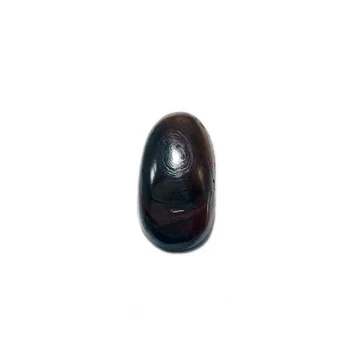
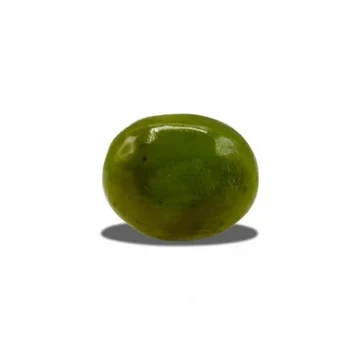
Bloodstone, also known as heliotrope, is dark green chalcedony dotted with red spots of iron oxide. It is one of the more affordable natural stones you can buy in Pakistan, and that brings a different buying problem from neelam or yaqoot. Nobody loses a fortune on a bloodstone. The risk is paying a good-stone price for a dull, patchy or dyed piece, simply because two stones of the same weight can look very different and still be quoted the same.
Here we explain what really moves a bloodstone's price, show our own current range per stone, per carat and per ratti where the table is available, and set out how to compare quotes from different shops so you are comparing like with like.
Bloodstone prices from our listings
The table below is built from the bloodstones we have listed and is refreshed every month. It gives the lowest, typical and highest price per stone, plus the same figures per carat and per ratti so you can compare stones of different sizes.
| Weight | Weights | Stones | Per carat | Per ratti |
|---|---|---|---|---|
| All Bloodstone in stock | 18.6 – 26.8 ct | 7 | Rs 180 – Rs 220 | Rs 160 – Rs 200 |
Treat the table as a guide to the spread, not a fixed rate card. A stone at the top of the range is not overpriced if it has the colour and spotting to justify it, and one at the bottom is no bargain if it is grey and spotless. For the wider picture across all stones, see our monthly gemstone prices in Pakistan guide.
What sets a bloodstone's price
Bloodstone has no clarity grade the way transparent gems do, and it rarely comes with a certificate. Its price comes almost entirely from what your eyes tell you.
1. The green
The base colour is the first thing anyone judges. The most valued stones are a deep, even forest or bottle green, dark enough to look rich but with enough life that it does not read as black. Greyish, olive or muddy greens sit lower. Patchy stones, dark green on one side and pale or brownish on the other, cost less too.
2. The red spots
The spots are what make a bloodstone a bloodstone, and they shift the price more than anything else. Buyers look at:
- Colour: bright, true red spots are worth more than brownish or orange ones.
- Amount: a good scatter across the face is what people want. A stone with only one or two small spots, or almost none, is not far off plain green chalcedony in value.
- Spread: spots across the visible face look better than spots bunched at one edge or hidden under the setting.
Some stones also have yellow or white patches. A little is normal; heavy patches bring the price down.
3. Polish and lustre
Well-cut bloodstone takes a glassy polish. A dull, waxy or scratched surface makes even a good stone look cheap, and re-polishing costs money. Look for a clean reflection of a light on the surface.
4. Translucency
Most bloodstone is opaque. A few pieces let a little light through at the edges, which gives a faint glow and can add a premium.
5. Size and shape
Bloodstone forms in big pieces, so size matters less than with rare gems, and the per-carat rate does not climb steeply with weight the way it does for sapphire. A usable, well-proportioned shape matters more. Smooth oval and cushion cabochons for rings are the most common; flat tablets are traditional for men's signet rings and seals; carvings and beads are priced on the workmanship.
6. Origin
India has long been a classic source, and stones also come from Madagascar, Brazil, Australia and elsewhere. For bloodstone in Pakistan, origin is not usually a strong price factor; colour and spotting count for far more. Where we know the source we say so, as with this 19.65 carat Madagascar bloodstone.
7. Treatment and imitations
Natural bloodstone is generally sold untreated, though some pieces are waxed or resin-filled to improve the surface. The real price risk is dyed jasper or other green stone with painted or dyed red dots. Those spots tend to be too round, too evenly spaced and sitting on top of the surface, whereas natural spots are irregular, vary in size and soften slightly at the edges. Our bloodstone care guide goes through this check in more detail.
Per carat and per ratti: how bazaar pricing works
In our gem bazaars ring stones are usually quoted per ratti, and bloodstone is no different, though for affordable opaque stones many sellers just quote a price for the piece. Before comparing any per-ratti quote, check which ratti is meant:
- the standard gem ratti used in Pakistan is 0.91 carat (about 0.182 g);
- the jeweller's sunari ratti is smaller, about 0.61 carat (about 0.1215 g).
The same stone weighs more ratti on the sunari scale, so a per-ratti rate on that scale looks lower than it really is. Always convert to carats before you compare. Our carat to ratti converter does it in seconds.
Per-ratti pricing has one more quirk with bloodstone. Because large stones are common, a seller may quote a low rate per ratti on a heavy, thick stone, and you end up paying for weight hidden under the setting rather than for a better face. For a ring stone, compare the visible face size in millimetres as well as the weight.
Comparing quotes from different sellers
- Convert everything to carats. Ask for the weight in carats, or convert using the right ratti.
- Compare the face, not just the weight. Ask for length and width in millimetres. A shallow, wide stone looks bigger in a ring than a deep, narrow one of the same weight.
- Look at the actual stone. A daylight photo or video of the exact piece tells you more about the green and the spots than any description.
- Ask about treatment and dye. Get the answer written on the invoice.
- Check what the price includes. Some quotes include a setting or a certificate; others are for the loose stone. Compare loose with loose.
- Weigh up the return terms. A slightly higher price with a clear return window is often better value than a cheap stone you cannot send back.
When paying more makes sense
Because bloodstone is affordable throughout the range, the step from an ordinary stone to a good one is small in rupees and big in what you see on your hand. It is usually worth stepping up when:
- the stone is for a ring you will wear every day, where the face will be looked at all the time;
- the cheaper option has its spots only at one edge, which a bezel will cover;
- the cheaper stone has a dull or scratched polish that would need re-cutting;
- you want a matched pair for cufflinks or earrings, where even colour across two stones is harder to find.
It is not worth paying more for extra weight sitting under the setting, or for an origin name the seller cannot back up. A shallow, well-spotted stone of modest weight often makes a better ring than a heavy, thick one.
Browsing by budget
You can browse the whole shop by budget. These filters cover every stone, so pair them with the bloodstone category or use them to see what else sits at the same level.
- Under 5,000 rupees: a starting point for a first ring or a small gift.
- 5,000 to 20,000 rupees: a handy band for comparing mid-range stones side by side.
- 20,000 to 50,000 rupees: larger or finer pieces, and a wide range of other gems.
- Over 50,000 rupees: mostly precious stones such as sapphire and ruby.
Our bloodstones are all in the bloodstone collection. Two to compare: this 18.55 carat bloodstone and this 23.50 carat bloodstone. Look at how the spotting and the green differ between them, not only the weight.
Similar stones in a similar range
If you like bloodstone's dark green but want a different look, a few neighbours sit in a comparable range. Green agate is smoother and more even in colour; see the green agate collection and the green agate price guide. Jasper gives earthy patterns in reds and browns in the jasper collection. Bloodstone is also one of the March birthstones, alongside aquamarine; our March birthstones post compares the two.
Buying bloodstone from Authentic Gems
Every bloodstone we list is photographed on its own, so the stone you see is the stone you get. We deliver across Pakistan with Cash on Delivery: open the parcel, check the green and the spots in daylight, and only then pay the rider. Orders are confirmed by phone or WhatsApp and dispatched within 1 working day by insured, tracked courier. Karachi deliveries, from Gulshan-e-Iqbal to Bahria Town Karachi, usually take 1 to 2 working days; Lahore, Islamabad, Rawalpindi and other major cities 2 to 4; smaller towns up to about 7. Delivery is a flat Rs. 500 and you have seven days to return a stone.
If you have a quote from somewhere else and want to know whether it is fair, send us the stone's weight, size and a photo on WhatsApp through our contact page, and we will tell you plainly how it compares with what we see in our own listings.
Shop the stones: bloodstone.
References