In this article
- Green agate prices from our own listings
- What green agate is
- What decides the price
- Ring stones, beads and tasbih
- Stones sold as green agate that aren't
- Per carat, per ratti and per stone
- How it works in the bazaar
- Comparing two green agate offers
- Shopping by budget
- Green aqeeq in tradition
- Keeping it looking good
- Buying sabz aqeeq from Authentic Gems
- خلاصہ

Written by Sameer
Reviewed on
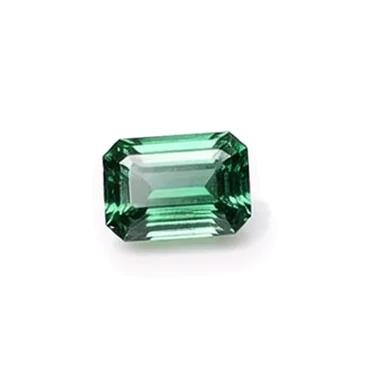
Sabz aqeeq, green agate, is one of the cheapest natural stones you can buy in Pakistan, and one of the most popular for men's silver rings and for tasbih. Because it costs so little, people tend to assume one green agate is much like another. It really isn't. The colour can be natural or dyed, the stone can glow or sit there looking flat, and the cutting can be careful or rushed. Those differences are what separate a good-value stone from a merely cheap one.
On this page we explain what sets the price of green agate, how per-ratti quotes work for a low-cost stone, and how to compare one offer with another. The actual figures are in the table below, taken from our own green agate listings and updated every month.
Green agate prices from our own listings
The table gives the lowest, typical and highest price per stone in our green agate category, with the same figures worked out per carat and per ratti.
| Weight | Weights | Stones | Per carat | Per ratti |
|---|---|---|---|---|
| All Green Agate in stock | 12.6 – 28.0 ct | 12 | Rs 80 – Rs 160 | Rs 70 – Rs 150 |
Most people buy green agate as a single ring stone, so the per-stone column is the one to look at first. The per-carat and per-ratti columns come in handy when you are weighing a small stone against a big one. For other gems, see our monthly gemstone price guide.
What green agate is
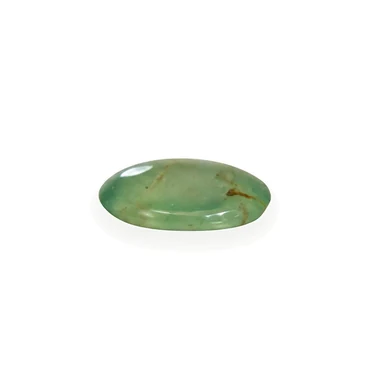
Agate is a type of chalcedony, which is quartz made of crystals far too small to see. It is hard, around 6.5 to 7 on the Mohs scale, it is tough, and it takes a good polish, which is why people have been cutting rings and seals from it for thousands of years. In the Pakistani market, "green agate" can mean several different looks:
- Even green chalcedony: a smooth, translucent green with no bands, which is what most ring buyers are after.
- Banded green agate: green with paler or darker stripes through it.
- Moss agate (shajri aqeeq): clear or milky chalcedony with green, branching, tree-like inclusions. It is sold as a stone in its own right; see our moss agate category.
- Other green stones: chrysoprase and prase are separate varieties and shouldn't simply be sold as green agate.
Each of these has its own price, so first make sure two offers are describing the same kind of stone.
What decides the price
Natural or dyed colour
For green agate, this is the big question. Agate is porous, and a great deal of the bright, even green agate for sale has been dyed. Dyeing agate is an old, stable practice and the stone is still natural agate, but naturally green stone is rarer and should cost more than dyed stone that looks the same. The seller should tell you which you are getting.
Clues that point to dye: a very uniform, almost too-perfect green; colour gathered along cracks or in bands; and, on a bead, a slightly different shade inside the drill hole. Our green agate care guide explains why dyed stones need a bit more looking after.
How good the colour is
Natural or dyed, a clean, pleasant green that is even across the whole face is worth more than a patchy, greyish or yellowish one. Deep but not dark is what you want, because a very dark stone looks black once it is in a ring.
Translucency and glow
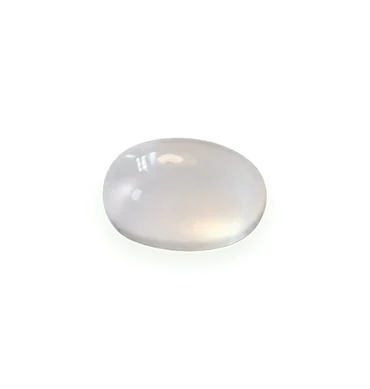
Good agate glows when light comes through it. Hold it up to a window and look for a soft, even light inside. Opaque, chalky stones sell for less.
Clarity and soundness
A few small natural marks are normal. Cracks running across the stone, pits on the polished face and white patches all pull the value down. On a ring stone, check the edges for chips too.
Cut and finish
Most green agate is cut as a cabochon. A smooth, evenly rounded dome, a symmetrical outline and a polished surface without scratches all show the cutter took care. Flat, lopsided or badly polished stones cost less. Faceted green agate is less common, and its price also reflects the quality of the cutting.
Size
Agate is found in big pieces, so a larger stone costs more in total but the rate per carat hardly moves. A 13 carat stone usually costs more than a 10 carat one simply because there is more of it, and because a bigger stone with even colour is a little harder to cut.
Ring stones, beads and tasbih
Green agate comes to buyers in several forms, and each is priced in its own way.
- Loose ring stones: priced on colour, glow, finish and size, as above. Natural colour makes the biggest difference here.
- Beads and tasbih: priced by the strand. Bead size, how closely the colour matches from bead to bead, the drilling and the thread all count. A 99-bead tasbih with well-matched beads costs more than one with mixed shades.
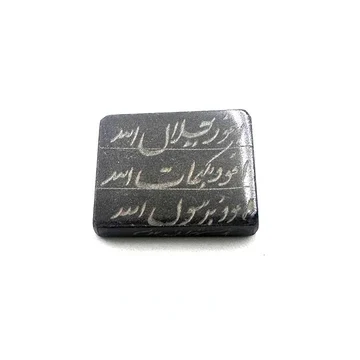
- Carvings and seals: priced as much on the work as on the stone. An engraved aqeeq with a name or verse carries the engraver's skill in its price.
With a tasbih, count the beads and check that the two ends of the strand match. Slipping in a few odd beads is a common way of filling out a strand cheaply.
A per-carat figure for loose stones and a per-strand figure for beads tell you very little side by side, so keep each comparison within one form.
Stones sold as green agate that aren't
Green agate is inexpensive, so fakes are less common than with pricey stones, but they do turn up. Green glass is the usual one: under a loupe it often shows tiny round bubbles, and it feels warmer to the touch than agate. Green aventurine, a quartz with glittery mica flakes, sometimes gets sold as green aqeeq, and so does dyed quartzite. Green jade and serpentine can be confused with it as well. None of these is a disaster at a fair price, but each should be sold under its own name. Our post on spotting dyed and glass aqeeq covers the checks.
Per carat, per ratti and per stone
Labs record weight in carats, and one carat is 0.2 grams. In Pakistan, though, many buyers and astrologers talk in ratti. The standard gemstone ratti is 0.91 carat, so a 13 carat green agate is about 14.3 ratti. The jeweller's sunari ratti is smaller, about 0.61 carat, which makes the same stone roughly 21 sunari ratti. Always ask which ratti is meant, and use our carat to ratti converter to check.
To turn a per-carat rate into a per-ratti rate (standard ratti), multiply by 0.91. With green agate, plenty of sellers simply quote one price for the whole stone rather than a per-ratti rate, and that is usually the easiest way to compare.
How it works in the bazaar
Whether you are in Karachi's Saddar, near a shrine, or in the old bazaars of Rawalpindi and Peshawar, aqeeq is often sold as a ready-made ring, with the stone and silver priced together. That can hide the stone's real value either way. Ask for the stone and the setting to be priced separately, and ask what the stone weighs loose. If you are quoted a per-ratti rate, confirm which ratti it is based on and that it applies to the stone in front of you.
Comparing two green agate offers
- Same type of stone: even green agate, banded agate and moss agate are different products.
- Natural or dyed: ask both sellers, and compare like with like.
- Same unit: per stone for similar sizes, per carat for different sizes.
- Light test: ask for a photo or video against a window so you can judge the glow.
- Finish: look at a close-up of the surface for pits and scratches.
- Loose or set: separate the stone's price from the ring's.
Shopping by budget
Green agate suits anyone who wants a natural stone without spending much. Use the shop filters to see what falls into each band across every category:
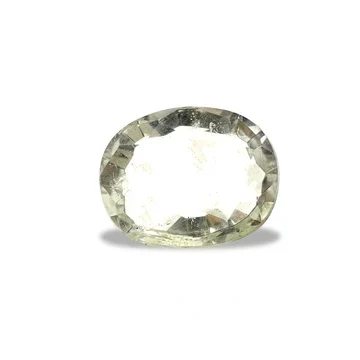
Our post on natural gemstones under 5,000 rupees suggests other affordable stones. Inside the green agate category, compare stones of similar weight, such as this 12.55 carat green agate and this 13.05 carat green agate, and you will see how colour and finish change the price.
Green aqeeq in tradition
Aqeeq in every colour has a special place in Muslim custom in Pakistan, and many men wear an aqeeq ring set in silver. In popular devotion green is associated with Islam, which makes green aqeeq a favourite for rings and tasbih. These are customs and personal choices; for religious questions, ask a scholar you trust. Our pages on aqeeq for men and gemstone tasbih describe the tradition, and the upcoming aqeeq ring price guide covers setting costs.
Keeping it looking good
Green agate is hard and tough, so it is fine for daily wear. Dyed stones can fade slowly in strong sun or with harsh chemicals, so clean them with mild soap and water and keep them out of direct sunlight when you are not wearing them. Store agate apart from harder stones such as sapphire and topaz.
Buying sabz aqeeq from Authentic Gems
Every green agate we sell is natural agate, photographed and priced on its own, and we tell you about dyeing whenever we know of it. You are welcome to have any stone tested independently. We confirm each order by phone or WhatsApp and send it within 1 working day by insured, tracked courier, for a flat Rs. 500. In Karachi it usually arrives in 1–2 working days, in Lahore, Islamabad and the other big cities in 2–4. Pay Cash on Delivery anywhere in Pakistan after checking the stone in front of the rider, and you have 7 days to return an unused stone.
Shop the stones: green agate.
The beliefs mentioned here are traditions, shared for interest. They are not promised outcomes, religious rulings or medical advice.
References