In this article
- Citrine prices from our listings
- Why citrine costs what it does
- What sets a citrine's price
- Labels that push the price up
- Imitations that should cost far less
- How per-ratti pricing works
- Ametrine and other yellow quartz
- Comparing two quotes
- Browsing by budget
- Protecting citrine's colour and value
- Citrine in tradition
- Buying citrine from Authentic Gems
- خلاصہ

Written by Sameer
Reviewed on
Sunehla, as citrine is often called here, is one of the most affordable natural yellow stones you can buy in Pakistan. Its price comes down mostly to colour, cut, and whether that colour formed naturally or was produced by heating. Clarity counts for less than with many stones, because good citrine is usually clean to the eye, and size lifts the price more gently than it does with sapphire, since big clean quartz crystals are not rare. All of that makes citrine good value. It also makes it a stone where people overpay easily when it is sold under a grander name.
Below we go through each price factor, explain how per-ratti quotes work, and show you how to compare offers. We do not type figures into this article; where a table appears below, it is built from our own listings and refreshed monthly. To see stones photographed one by one, browse our citrine collection.
Citrine prices from our listings
The table gives the lowest, typical and highest price per stone across our citrine listings, along with the same figures per carat and per ratti.
| Weight | Weights | Stones | Per carat | Per ratti |
|---|---|---|---|---|
| 3 – 6 carat | 4.5 – 5.7 ct | 6 | Rs 2,300 – Rs 2,600 | Rs 2,100 – Rs 2,400 |
| 6 – 10 carat | 6.1 – 9.6 ct | 4 | Rs 1,900 – Rs 2,600 | Rs 1,750 – Rs 2,400 |
Use it as a yardstick for any quote you get. If a seller wants far more than the top of our range for an ordinary-sized citrine, ask what justifies it. If a seller asks far less, ask whether the stone is natural quartz at all. For prices across every stone, see the monthly gemstone price guide.
Why citrine costs what it does
Citrine is yellow to orange quartz. Quartz is one of the most plentiful minerals on earth, and clean crystals big enough for large stones turn up in several countries, Brazil being the best known. A lot of the citrine on the market started life as amethyst or smoky quartz and was heated, which turns it yellow to orange. Plentiful supply plus a well-established treatment keep prices modest next to yellow sapphire (pukhraj) or yellow topaz.
That modest price is the main reason people here pick it: a big, bright yellow stone for a ring or pendant without needing a family meeting about the budget. Our article on citrine and its traditions covers why it is worn.
What sets a citrine's price
1. Colour
Colour matters most. Citrine runs from pale lemon through golden yellow to deep orange and reddish-brown. In the trade:
- Pale lemon: often natural colour and usually the cheapest per carat, though some buyers prefer it.
- Golden yellow: a clear, warm yellow with no brown is the favourite in Pakistan, especially for gold settings.
- Deep orange to reddish ("Madeira"): rich and eye-catching. These deeper shades usually come from heating and are valued for their depth.
Brown or smoky tints and patchy colour bring the price down. Look at the stone in daylight and under indoor light, because some citrine turns brownish under warm bulbs.
2. Natural or heated colour
Citrine whose colour formed in the ground is less common and usually paler. Heated citrine is the norm. The treatment is stable and accepted, and the stone is still natural quartz, but it should be disclosed. A few buyers will pay more for an unheated stone with documentation; most just choose the colour they like. Heated stones sometimes show a slight reddish tinge or uneven colour near the edges. Only a lab can give a firm answer, and for most citrine the cost of testing is hard to earn back.
3. Clarity
Citrine is a type I clarity stone, which means it is normally eye-clean. Visible inclusions, cloudiness or cracks should cut the price noticeably. A perfectly clean stone is what you should expect, not something special, so do not pay extra just for "no inclusions".
4. Cut
Cut changes citrine more than most buyers expect. A well-cut stone is bright across its whole face. A shallow one shows a dull, see-through window in the middle; a deep one looks dark. Precision and fancy cuts (checkerboard tops, concave cuts, laser-cut patterns) take more work and usually cost more than a standard oval of the same weight. When you compare quotes, compare the same cut style.
5. Size
Bigger stones cost more in total, but the per-carat rate climbs only slightly with size, because large clean citrine crystals are not scarce. That is the reverse of pukhraj, where the per-carat rate rises steeply. If you want a large yellow stone, citrine gets you far more size for your money.
Labels that push the price up
A lot of overpaying comes from the name, not the stone. Watch for:
- "Sunehri pukhraj" or "pukhraj (citrine)": pukhraj is yellow sapphire, a much harder and more valuable corundum. Citrine sold under that name should still be priced as citrine. Our guide to yellow sapphire versus citrine shows how to tell them apart, and what makes pukhraj cost more explains the gap.
- "Topaz" or "golden topaz": old trade names sometimes called citrine "topaz quartz". Real yellow topaz is a separate mineral; see yellow topaz prices.
- "Lab citrine" or unexplained "created" stones: synthetic quartz is grown in factories and should cost well below natural citrine.
Imitations that should cost far less
Yellow glass is the most common fake. It is softer, often shows round bubbles under a loupe, and can feel warmer than quartz. Synthetic citrine looks too even and too clean. Because natural citrine is affordable anyway, imitations mostly turn up in cheap fashion jewellery, but still ask for "natural citrine" on the invoice, along with whether it is heated.
How per-ratti pricing works
Some sellers here quote citrine per ratti, especially when it is sold as a Jupiter stone for astrology. Others quote per carat or per piece. To compare:
- Ask which ratti. The standard gemstone ratti is 0.91 carat (about 0.182 g). The jeweller's sunari ratti is about 0.1215 g, or 0.61 carat. The same rate on the smaller ratti gets you about a third less stone.
- Convert to per carat. Our carat to ratti converter does the sums.
- Use the loose weight. A ring's weight includes the metal and tells you nothing about the stone.
Since citrine is not costly per carat, cutting and setting can make up a big share of a ring's total price. Ask for the stone and the ring to be priced separately.
Ametrine and other yellow quartz
Ametrine is quartz that is part purple and part yellow in one stone, a natural blend of amethyst and citrine. It is priced on how crisp and balanced the two colours are, and usually costs more than plain citrine of the same size. Lemon quartz, a greenish-yellow quartz, is often sold next to citrine; it is a separate trade name, often produced by treatment, and should be labelled that way. If you would rather have purple, compare amethyst, which shares citrine's hardness and care.
Comparing two quotes
- Confirm both stones are natural quartz, and whether each one is heated.
- Get the weight in carats, or in ratti with the type of ratti named.
- Compare colour in daylight photos, side by side if you can.
- Look for a dull window in the centre, the sign of a poor cut.
- Compare like with like: a laser-cut stone and a plain oval are different products.
- Only then compare price per carat.
Browsing by budget
You can browse the shop by budget. These links show all stones; narrow them to citrine on the page that opens.
- Under 5,000 rupees: a sensible place to start for citrine; the table above shows how much of our stock falls here.
- 5,000 to 20,000 rupees: where to look for bigger stones, deeper colour and special cuts.
- 20,000 to 50,000 rupees: very few citrines need this budget. If a quote lands here, ask what makes the stone different.
- Over 50,000 rupees: almost never needed for citrine. A quote in this range deserves a hard look at the label.
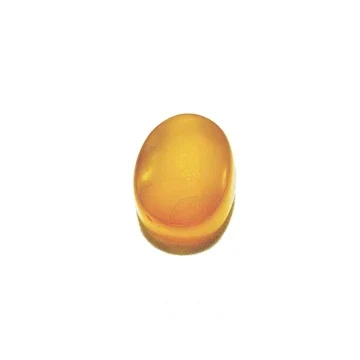
Two stones from our collection at slightly different sizes show how colour and size work together: a 4.85 carat natural citrine and a 5.50 carat natural citrine.
Protecting citrine's colour and value
Citrine is 7 on the Mohs scale, hard enough for a ring worn every day. Long exposure to strong sun or heat can fade the colour, so keep it in a closed box and off sunny windowsills and car dashboards. Clean it with warm soapy water and a soft brush. A faded or scratched stone is worth less, so the care pays for itself. Citrine is also a November birthstone, often given alongside topaz; our November stones guide compares the two.
Citrine in tradition
South Asian practice links citrine with Jupiter, and it is sometimes suggested as a cheaper alternative to pukhraj, though many astrologers insist on yellow sapphire. These are beliefs, not promised results. If you are buying on an astrologer's advice, check that citrine is acceptable to them before you pay, and agree which ratti their weight refers to. Our Sagittarius gemstones page shows the usual pairings.
Buying citrine from Authentic Gems
Every citrine we list is photographed on its own, weighed loose and described with any known treatment. We ship from Karachi: orders within Karachi usually arrive in 1 to 2 working days, and Lahore, Islamabad and other major cities in 2 to 4. You pay by Cash on Delivery, open the parcel and check the stone in front of the rider before paying, and can return it within 7 days. For other yellow stones, see our yellow gemstones page.
Shop the stones: citrine.
The beliefs described here are traditions, shared for interest. They are not guaranteed outcomes, religious rulings or medical advice.
References