In this article

Written by Sameer
Reviewed on
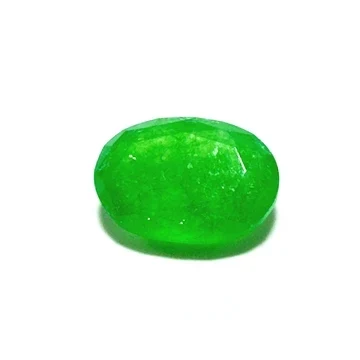
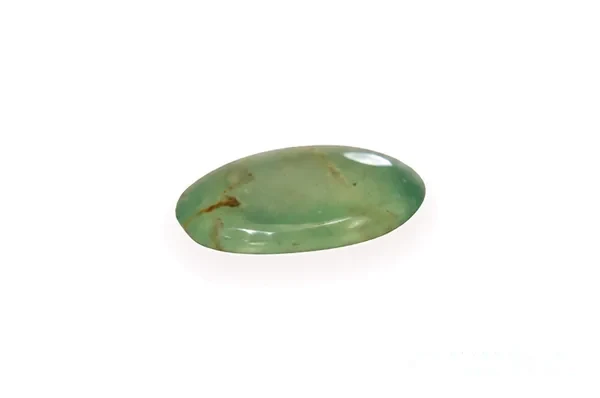
Emerald, our zamurd, is green beryl coloured by chromium or vanadium. It is also the stone where buyers most often mix up "flawless" with "genuine", when the truth is nearly the reverse. A natural emerald almost always has inclusions in it. Learning to read them is the best defence you have against glass, lab-grown stones and stones glued together from parts.
The jardin
In the trade, emerald's inclusions are called its jardin, French for garden, because under a loupe they look like moss, roots and leaves. You might see small feathers, tiny crystals, wispy veils, or three-phase inclusions, which are pockets holding a liquid, a gas bubble and a little crystal all together. All of these are signs that the stone grew in the ground. The one to worry about is the perfectly clean, deeply green emerald with a low price on it.
Oiling, which nearly every emerald has had
Emeralds have small cracks that reach the surface, so most are treated with a colourless oil or resin that fills them and makes the stone look cleaner. This has been done for centuries and the trade accepts it. It should still be disclosed, and how much has been done matters. Light oiling is normal. Heavy filling, particularly with coloured oil or hardened resin, lowers the value. Whenever we know a stone has been oiled, we say so.
The common fakes, and what gives each away
Green glass
Look for round gas bubbles, swirl lines and colour that is far too even. Glass also has a bright, glassy liveliness that emerald simply doesn't have.
Lab-grown emerald
Synthetic emerald is real beryl, just as hard and very similar to look at. It often shows wispy veils or chevron-shaped growth lines instead of a natural jardin, but telling it apart with confidence takes a laboratory.
Doublets and triplets
These are a colourless top glued onto a green base, or with a green layer in between. Turn the stone and look at it side-on. A flat line or a change in colour around the girdle gives it away.
Other green stones
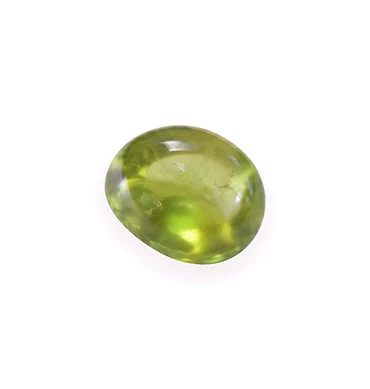
Green tourmaline, peridot and dyed quartz all get sold as zamurd now and then. Their tone and inclusions are different, and a refractometer separates them in seconds.
Origin and what you hear in Pakistan
Swat, here in Pakistan, has been a known emerald source for a long time, along with Panjshir in Afghanistan, Colombia and Zambia. Origin can affect the price, but only a lab can state it reliably, so take any spoken origin claim with a pinch of salt.
Hardness and care
Emerald rates 7.5 to 8 on the Mohs scale, but its inclusions make it more brittle than the number suggests. Choose a setting that protects the stone. Keep it out of ultrasonic and steam cleaners, which can push the oil out, and clean it only in lukewarm soapy water.
Zamurd and Budh
In South Asian tradition zamurd belongs to Mercury (Budh) and is worn for intellect, memory and clear speech. These are traditional beliefs, not promises; our rashi guide covers which stones are paired with it.
Buying zamurd from Authentic Gems
Every stone in our emerald collection is checked, photographed on its own and listed with any treatment we know of. You are welcome to have any stone tested at an independent lab. You may also like jasper and purple sapphire, and the Urdu names for all our stones are on the names page. We deliver with Cash on Delivery across Karachi, usually within 1–2 working days, and to Lahore and every other city.
References