In this article

Written by Sameer
Reviewed on
Few gems sold in Pakistan have a wider price range than tourmaline. It comes in almost every colour, and colour type on its own can push two stones of the same weight a very long way apart. A dark olive-green stone, a bright pink one and a neon blue-green one are all "tourmaline", yet nobody prices them as the same thing.
There is a home connection too. Tourmaline is mined in the mountains of Gilgit-Baltistan and just across the border in Afghanistan, and a good share of what reaches Peshawar and the big city markets comes from there. Below we explain what sets the price, show our own range in the table, and walk through comparing per-carat and per-ratti quotes. For what tourmaline is traditionally worn for, see our tourmaline colours and traditions article.
Our tourmaline prices
This table comes from our own tourmaline listings and is updated every month. It shows the lowest, typical and highest price per stone, per carat and per ratti.
| Weight | Weights | Stones | Per carat | Per ratti |
|---|---|---|---|---|
| All Tourmaline in stock | 1.6 – 2.1 ct | 2 | Rs 2,500 – Rs 5,400 | Rs 2,300 – Rs 4,900 |
The per-ratti column uses the standard gemstone ratti of 0.91 carat. Since tourmaline varies so much by colour, look at each stone's own listing as well as the summary. Our monthly gemstone price guide has other stones for comparison.
Colour type comes first
The trade sorts tourmaline by colour, and each group has its own price level. Roughly in order of how the market values them, most sought after first:
- Copper-bearing "Paraíba-type": an intense neon blue to green-blue, coloured by copper. By far the most valuable tourmaline, and any origin claim for it needs a lab report.
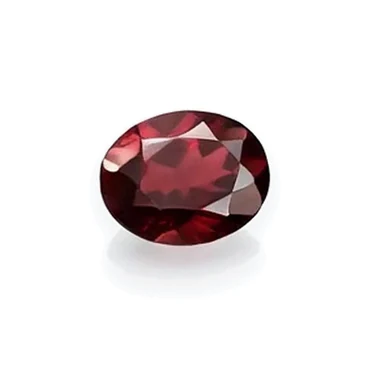
- Rubellite: red to deep pink tourmaline that holds its colour in daylight and lamplight alike. A pure red with no brown is what people want.
- Chrome and bright green: a vivid, emerald-like green. Popular here, and sometimes chosen as a more affordable green stone.
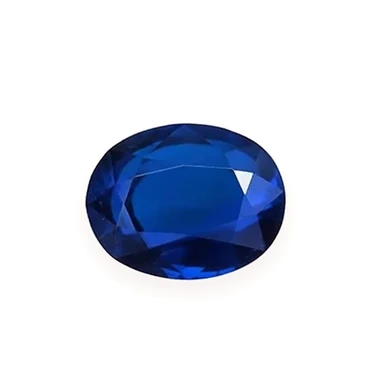
- Indicolite: blue tourmaline. A clear, bright blue is scarce; most blue stones lean green or are very dark.
- Bi-colour and watermelon: two or more colours in one stone, pink with green for instance, valued for a sharp, clean boundary between them.
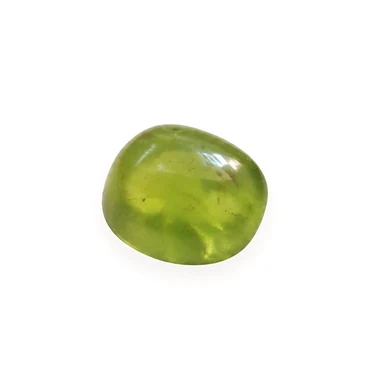
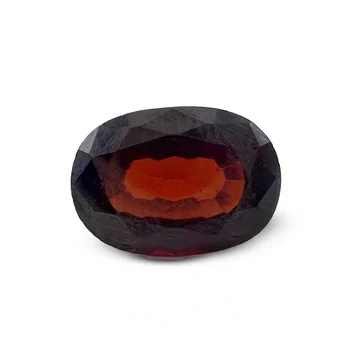
- Pink, yellow, olive and brown-green: attractive, easy to find, and more modestly priced.
- Black (schorl): opaque, common, usually the cheapest.
Within any colour the usual rules hold: a lively, pure, medium to medium-dark shade beats a pale or very dark one, and brownish or grey tints bring the price down.
The dark-axis problem
Tourmaline is strongly pleochroic, meaning it looks darker along the length of the crystal than across it. The cutter has to orient the stone so the colour face-up is pleasant. A badly oriented green stone can look nearly black from the top and should cost less, no matter how good the colour looks from the side. Always judge colour face-up, in daylight.
Clarity depends on the colour
Some tourmaline colours usually grow clean and others usually don't:
- Green and blue tourmaline is often clean to the eye, so visible inclusions in these colours knock the price down noticeably.
- Pink, red and watermelon tourmaline very often has fine liquid-filled fractures and inclusions. Some of that is accepted in these colours, and a truly clean rubellite earns a premium.
In other words, a few inclusions in a pink stone are normal, while the same inclusions in a green one count as a fault. Big fractures that reach the surface are a problem in any colour, because they are weak spots in a ring.
Cut and shape
Tourmaline crystals are long and pencil-shaped, so plenty of stones are cut as long rectangles or ovals to keep weight. A well-cut stone is evenly bright across the face, with no dull "window" in the middle. Long, narrow shapes can look lovely in a pendant but sit awkwardly in a men's ring. For rings, an oval or cushion with balanced proportions often costs more per carat, because more rough is lost cutting it.
Size
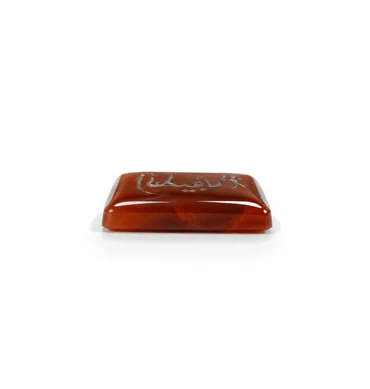
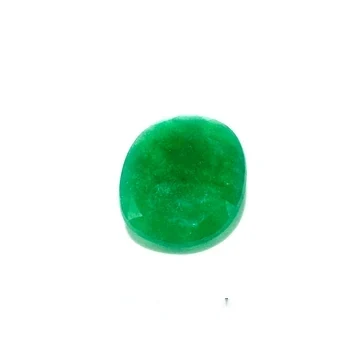
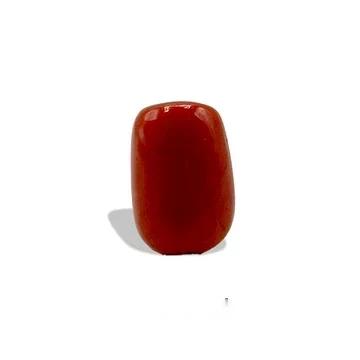
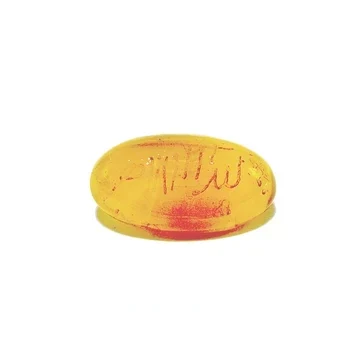
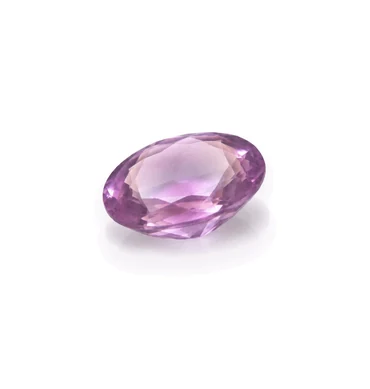
The per-carat price rises with size, most steeply in the scarcer colours, because clean, bright stones over a few carats are far harder to find than small ones. In common colours the climb is gentler. Many of our ring stones are a carat or two, like the 1.55 carat Afghan tourmaline and the 2.10 carat tourmaline.
Treatment
Some tourmaline is treated, and that changes the price:
- Heating lightens green or blue stones that are too dark and improves some copper-bearing material. It is generally stable.
- Irradiation can deepen pinks and reds.
- Fracture filling with resin hides cracks, mostly in pink and red stones. Filled stones are less durable and should cost less.
An untreated stone of good colour can cost more than a treated one that looks much the same. Treatment isn't always easy to spot, so ask for it in writing, and use a lab for an important stone. We state treatment wherever we know it.
Origin
Tourmaline turns up in Pakistan's northern areas, Afghanistan, Brazil, several African countries and elsewhere. For most colours, origin makes only a modest difference; colour and clarity matter far more. The big exception is copper-bearing tourmaline, where a lab's origin opinion can change the value enormously. There is more on the northern deposits on our Gilgit-Baltistan gemstones page and in the wider gemstone mines of Pakistan guide.
Look-alikes
Green tourmaline gets confused with emerald or peridot, pink with pink topaz or spinel, and rubellite with ruby or garnet. Glass copies exist as well. A good first check is tourmaline's strong change in colour depth as you turn it; glass looks the same from every side and may show bubbles. A gem tester or lab will confirm the species. Never pay emerald or ruby money for an unidentified green or red stone.
Matched sets and calibrated sizes
With so many shades about, finding two or more stones that really match in colour and tone takes time and a lot of rough. That is why matched pairs for earrings, or a line of stones for a bracelet, cost more per carat than single stones. Calibrated sizes, cut to standard millimetre measurements so they drop straight into ready-made settings, can also cost a little more than stones cut freely to keep weight.
How per-ratti pricing works
Tourmaline here is often quoted per ratti, particularly when an astrologer has recommended it. The total is weight in ratti multiplied by the rate, but there are two ratti in use:
- Standard gemstone ratti: 0.91 carat (about 0.182 g). This is the one we use.
- Jeweller's sunari ratti: about 0.61 carat (0.1215 g).
A 2.73 carat tourmaline is 3 standard ratti, or about 4.5 sunari ratti. A per-ratti rate means nothing until you know which scale is meant. Ask for the weight in carats and convert it with our carat to ratti converter.
Comparing quotes
- Compare like with like. Rubellite and pink tourmaline, or chrome green and olive green, are not alternatives at the same price.
- Judge face-up colour in daylight, from a photo or video taken without filters.
- Match clarity expectations to colour. A clean green is normal; a clean red earns a premium.
- Convert every quote to price per carat for the loose stone, and compare similar sizes.
- Get treatment in writing. A filled stone shouldn't cost the same as an untreated one.
- Count the buying terms. Checking before you pay and a return window protect you if the colour looks different in person.
Budget bands
Our shop filters group all stones into four price bands. Check the table above to see where our tourmaline sits, then filter:
- under 5,000 rupees: smaller stones in the commoner colours. Choose for a pleasant face-up colour and no surface cracks.
- 5,000 to 20,000 rupees: ring-size stones with lively colour and good clarity for their colour type.
- 20,000 to 50,000 rupees: brighter colours, bigger clean stones and better-cut shapes.
- over 50,000 rupees: fine rubellite, bright green or blue in larger sizes, and rare types. Ask for a lab report at this level.
The filters cover every category, so pick tourmaline from the list or go straight to our tourmaline collection.
Wearing and caring for it
Tourmaline is 7 to 7.5 on the Mohs scale, fine for a daily ring, though a sharp knock can chip a corner, so a bezel or protected prongs are sensible. Clean it with mild soap and water. Keep it out of ultrasonic and steam cleaners, particularly pink and red stones, which often hold fluid inclusions or fillings. It is also a modern October birthstone; see our October birthstone page and buying opal and tourmaline wisely. For other greens, our green gemstones page shows the alternatives.
Buying tourmaline from Authentic Gems
Each tourmaline is listed on its own with its own photo, weight and price, with origin and treatment given wherever we know them. If you want an independent lab report on a stone, ask before ordering. Once we confirm your order by phone or WhatsApp, it leaves Karachi within one working day by insured, tracked courier. Karachi addresses usually receive in 1 to 2 working days, Lahore, Islamabad, Rawalpindi and the other big cities in 2 to 4, and smaller towns within about 7. Pay Cash on Delivery after checking the stone in front of the rider, and return it within 7 days if it's not right. Want a daylight video of any stone? Ask us on WhatsApp.
Shop the stones: tourmaline.
References