

Gemstone origins · Gilgit-Baltistan
Gilgit-Baltistan Gemstones: What the Northern Mountains Give Us گلگت بلتستان کے قیمتی پتھر
In short: No part of Pakistan produces a wider range of gemstones than Gilgit-Baltistan: aquamarine, topaz, tourmaline, ruby, spinel, garnet and more. Hunza and Nagar give ruby and spinel in marble; Skardu, Shigar, the Braldu valley and Haramosh give pegmatite gems. Gilgit and Skardu are the trading towns, and much of the material travels on to Rawalpindi and Peshawar.
No part of Pakistan offers a wider spread of gemstones than Gilgit-Baltistan. Within a handful of valleys you'll find aquamarine, topaz, tourmaline, ruby, spinel, garnet and dozens of collector minerals, many in crystals good enough for any museum.
This page is a plain guide to the region's gem areas, why the mountains are so productive, how stones are mined and traded, and how to buy northern stones with realistic expectations about origin.
- Region
- Gilgit-Baltistan
- Main trading towns
- Gilgit, Skardu
- Gem areas
- Hunza, Nagar, Shigar, Braldu, Haramosh
- Known for
- Aquamarine, topaz, tourmaline, ruby, spinel, garnet
- Host rocks
- Marble and granite pegmatite
- Mining
- Small-scale, mostly summer
- Also famous for
- Collector mineral specimens
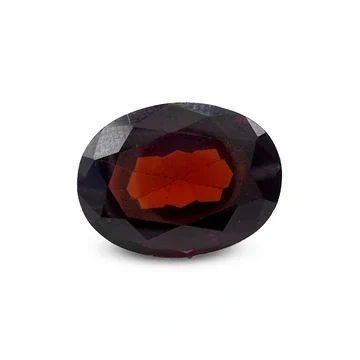
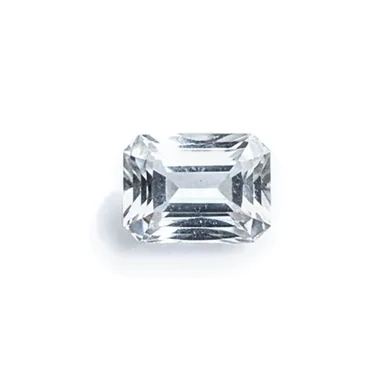
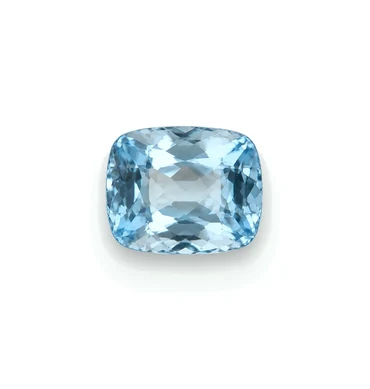
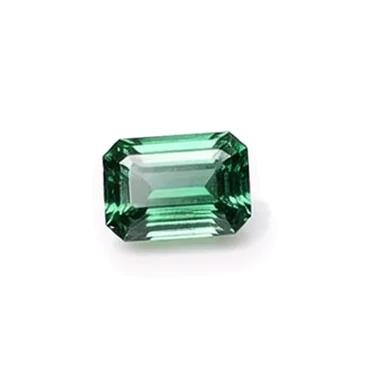
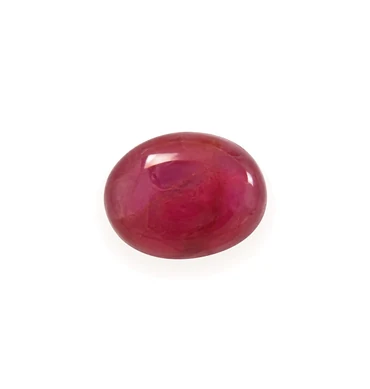
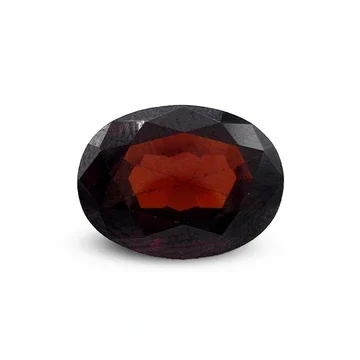
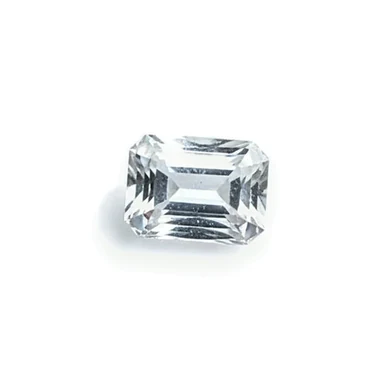
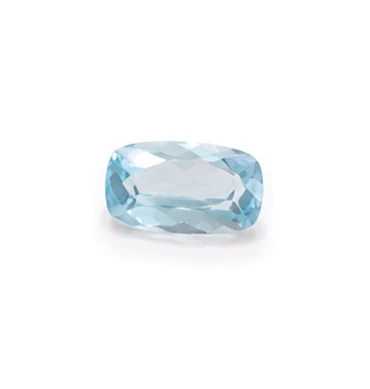
On the tray today
Shop stones from the northern mountains
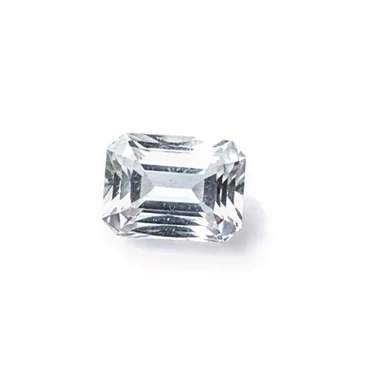
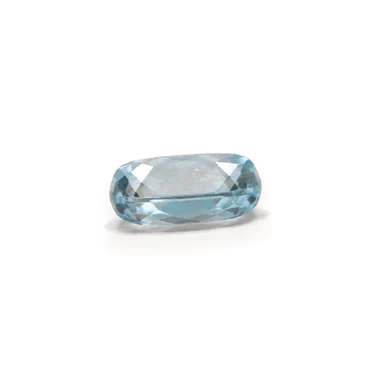
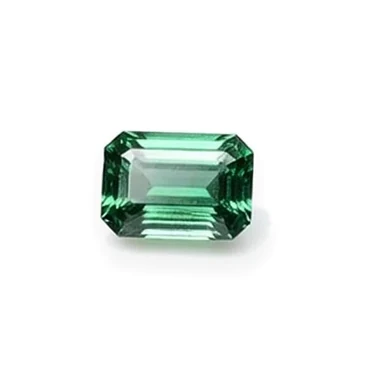
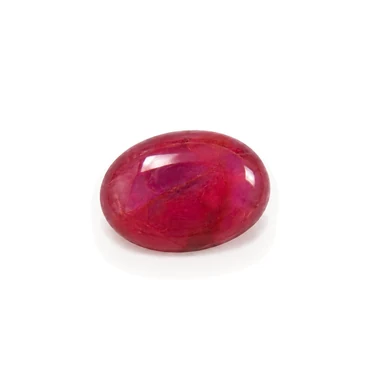
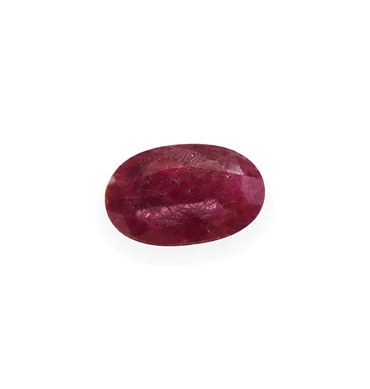
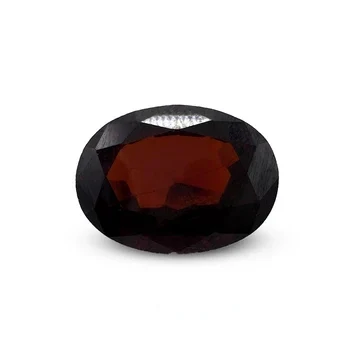

Written by Sameer
Reviewed on
The gem areas
Gilgit-Baltistan is the very top of Pakistan, where the Karakoram, the Himalaya and the Hindu Kush come together. Its gem country falls roughly into four groups.
- Hunza and Nagar: ruby and spinel in marble along the valley walls, plus pink fluorite and other minerals for collectors. See Hunza ruby.
- Skardu, Shigar and the Braldu valley: pegmatite pockets holding aquamarine, topaz, tourmaline, morganite and quartz. See Skardu aquamarine.
- Haramosh and the Stak area: more pegmatites, known for aquamarine, tourmaline and garnet.
- Gilgit and nearby valleys: garnet, epidote, sphene and quartz, as well as stones from across the region passing through the town's dealers.
Gilgit and Skardu are the two main trading towns. From them, a lot of material heads south down the Karakoram Highway to Rawalpindi and Peshawar.
Why these mountains are so rich
When India crashed into Asia and pushed up the Karakoram, the rocks caught in the middle were heated, folded and partly melted. That created two very different gem environments side by side.
Marble. Heat and pressure turned old limestone into marble. Wherever that marble held pockets rich in aluminium and poor in silica, ruby and spinel could grow. That is the Hunza style of deposit.
Pegmatite. Molten granite rose and cooled, and its last, fluid-rich portion hardened into coarse-grained veins. Where gas and water collected, hollow pockets formed and crystals had room to grow. Beryllium made aquamarine and morganite, boron made tourmaline, fluorine made topaz, and manganese helped produce orange garnet. That is the Shigar and Haramosh style.
The mountains are still rising and wearing away quickly, so new pockets keep appearing on the steep slopes.
The main stones
| Stone | Main areas | Typical look | Shop |
|---|---|---|---|
| Aquamarine (Beruj) | Shigar, Braldu, Haramosh | Pale to medium blue, long clean crystals | Aquamarine |
| Topaz | Shigar, Braldu | Colourless, pale blue, sherry and golden | Topaz |
| Tourmaline | Shigar, Stak, Haramosh | Green, pink, blue, black, sometimes two-coloured | Tourmaline |
| Ruby (Yaqoot) | Hunza, Nagar | Pink-red to purplish, mostly translucent | Ruby |
| Spinel | Hunza, Nagar | Red, pink, purple | Spinel |
| Garnet | Shigar, Haramosh, Gilgit area | Orange to red-brown | Garnet |
| Morganite | Shigar | Pale pink to peach beryl | Kunzite (another pink stone) |
| Quartz and smoky quartz | Across the region | Clear to brown crystals | Smoky Quartz |
Plenty of other minerals turn up as well, apatite, fluorite and titanite among them, mostly bought by collectors.
Some history
Families in these valleys have known about the crystals around them for generations. The wider trade only really arrived in the later twentieth century, once the Karakoram Highway and better roads to Skardu made the journey manageable. Since then Gilgit-Baltistan has become one of the world's best-known sources of mineral specimens and a reliable supplier of rough to Pakistan's cutters. Tourism has played its part too; visitors to Hunza and Skardu are now a real share of the local market for crystals and cut stones.
We don't quote production figures or name particular mines as current sources. Output rises and falls with weather, access and plain luck, and no reliable numbers are published.
How mining and trading work up there
Nearly all of it is small-scale. A family or small team holds a claim, works it with hand tools, drills and small charges, and brings down whatever it finds. Many workings are so high that they can only be reached in summer.
Good crystals are often kept intact for collectors, since a fine specimen can be worth more uncut. Broken or less attractive pieces go to the cutters. Between the valley and the cutting bench, rough can change hands several times, and that is one reason origin gets blurry along the way.
If you live in the north or are visiting, the bazaars of Gilgit and Skardu are worth a wander. Be as careful as you would anywhere else: ask what the stone is, whether it's treated and what it weighs, and get those answers written down. Our pages for Gilgit and Skardu have local buying tips.
Buying a crystal specimen
A lot of people come back from Gilgit or Skardu with a crystal instead of a cut stone. Specimens are judged differently from gems. Look at how sharp the crystal faces are, the colour, how well the crystal sits on its matrix, and whether anything has been broken or repaired. Glued repairs are common because crystals often come out of the pocket in pieces, and a fair seller will point them out. Steer clear of crystals glued onto a matrix they never grew on.
Ask for the mineral name and the locality as the seller understands it, and write it down. Collectors value an honest locality label even if it only goes as far as the name of the valley.
Looking after stones from the north
Aquamarine, topaz, tourmaline, ruby and spinel are all hard enough for daily jewellery if you're sensible with them. Clean them in warm soapy water with a soft brush. Protect topaz and fractured tourmaline from knocks and ultrasonic cleaners, and keep coated or irradiated stones away from strong heat. Store each stone on its own so the harder ones don't scratch the softer ones.
How origin is, and isn't, established
Buying a stone in Gilgit or Skardu doesn't make it a Gilgit-Baltistan stone. Material from Afghanistan and other parts of Pakistan moves through the same towns, and aquamarine, tourmaline and topaz from similar pegmatites look the same wherever they grew.
A lab can confirm what a stone is and whether it has been treated. Origin opinions are mostly offered for ruby, sapphire and emerald, and not always then. For most stones from this region, what protects you is a clear, honest description from the seller and a stone that is good in its own right.
Practical advice for buying northern stones
- Get the name right. Ask for the mineral name in plain words: aquamarine, topaz, tourmaline, spinel. Local names vary from valley to valley.
- Ask about treatment. Aquamarine is often heated, and some topaz is irradiated or coated. Honest disclosure matters more than origin.
- Specimen or gem? A crystal on matrix and a cut stone are priced on different terms. Decide which you want before you compare.
- Think about durability. Topaz can split along its cleavage, and some tourmaline is fractured. Choose a protective setting for a ring.
- Use the right ratti. The standard gem ratti is 0.91 carat, the jeweller's ratti about 0.61 carat. The carat to ratti converter helps.
- Test anything valuable. An independent lab report is worth having on a costly stone. Read how to read a lab certificate.
For current prices of these stones, see the monthly gemstone price guide.
Northern stones at Authentic Gems
We carry several of the stones this region is known for, including this 2.10 carat tourmaline and this 12.90 carat aquamarine. Any origin shown on a listing is the origin as it was given to us, and not every stone in these categories comes from Gilgit-Baltistan. If origin matters to you, ask us on WhatsApp. We deliver all over Pakistan, Gilgit and Skardu included, with Cash on Delivery; northern areas usually take up to about 7 working days.
References
Related
- Pakistan's Gemstone Mines: Where Each Stone Comes From
- Hunza Ruby: Yaqoot Grown in Karakoram Marble
- Skardu Aquamarine: Beruj from the Valleys of Baltistan
- Gemstone Origins: Where Our Favourite Stones Are Mined
- Natural Gemstones in Gilgit
- Natural Gemstones in Skardu
- Tourmaline Colours and What People Wear Them For
