

Zodiac gemstones
Capricorn Gemstones: Neelam (Blue Sapphire) and Amethyst برج جدی
In short: Capricorn, called Makar in Vedic astrology, is ruled by Saturn, so its traditional stone is blue sapphire (neelam). Amethyst (jamunia) is the usual, gentler substitute. Tradition regards neelam as the strongest and least predictable of the stones, so it is almost always worn after a reading, often after a trial of three to seven days.
Capricorn, which Vedic astrology calls Makar, is ruled by Saturn, so its traditional stone is blue sapphire (neelam). The usual substitute is amethyst (jamunia). Tradition treats neelam as the strongest and least predictable of the stones, and people almost always wear it only after a reading. Below are the customs, the checks and the care.
- Dates
- 22 December – 19 January
- Vedic name
- Makar
- Ruling planet
- Saturn (Shani)
- Primary stone
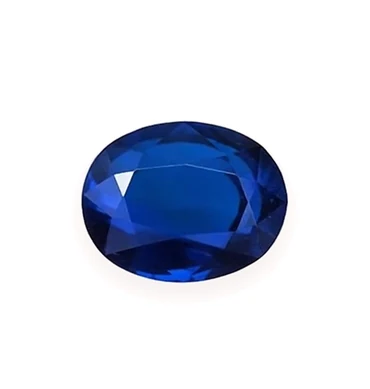
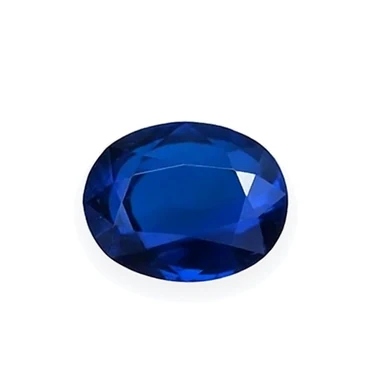
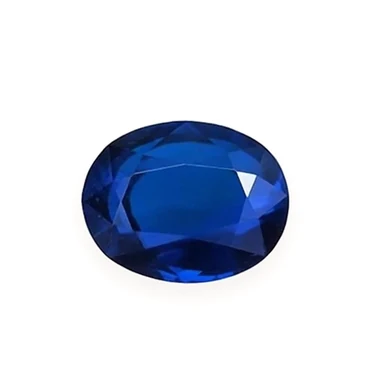
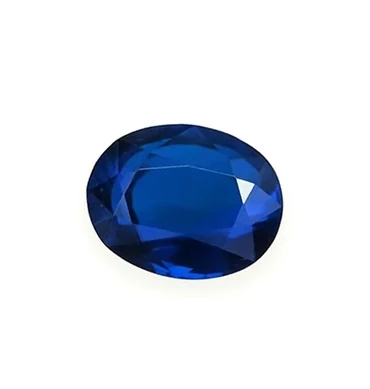
- Blue sapphire (neelam)
- Secondary stone
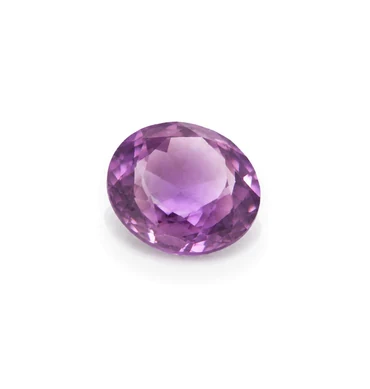
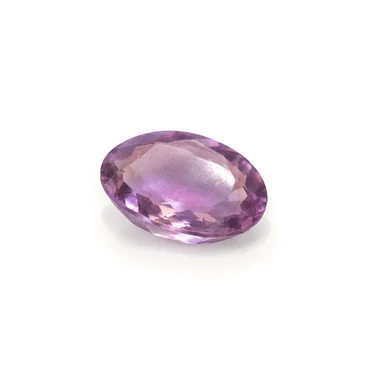
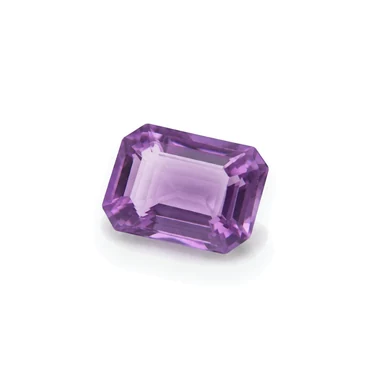
- Amethyst (jamunia)
On the tray today
Shop Neelam and amethyst


Written by Sameer
Reviewed on
Traditional belief vs gemmology: anything on this page about luck, protection, planets, healing or religious tradition describes traditional and cultural beliefs — not proven effects, religious rulings or medical advice. A stone's identity, hardness, treatment and origin are gemmology, which a lab can test; the references at the end of the page cover that side.
The main stone: blue sapphire (neelam)
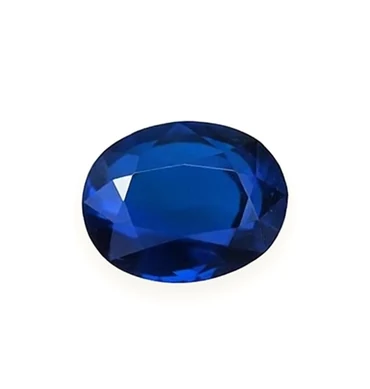
Saturn, or Shani, is traditionally linked with discipline, karma, long life and service. Its gem is neelam, blue corundum. Tradition is clear that one Capricorn may be told to wear it while another is told to stay away from it, depending on the chart. Browse our blue sapphire stones, which make up our biggest category.
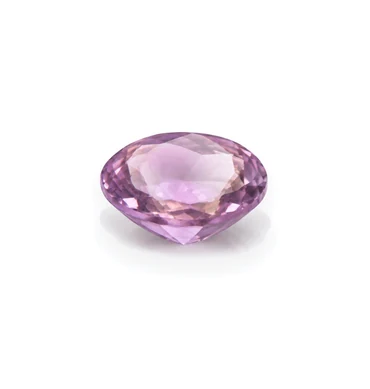
The second stone: amethyst (jamunia)
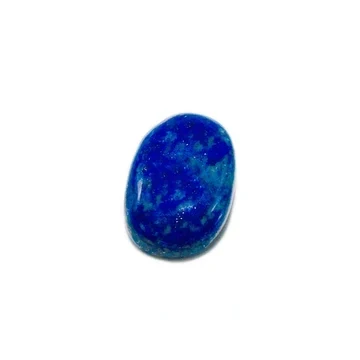
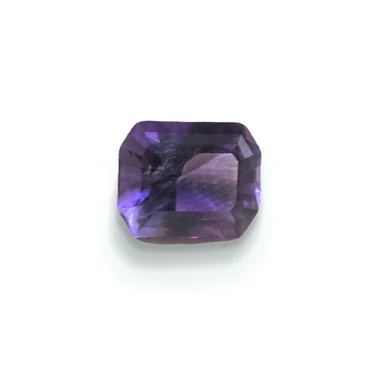
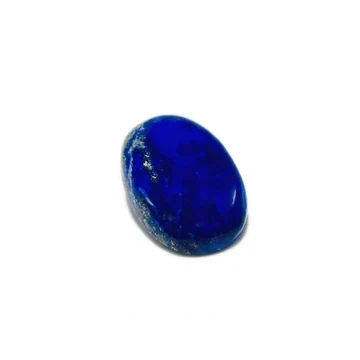
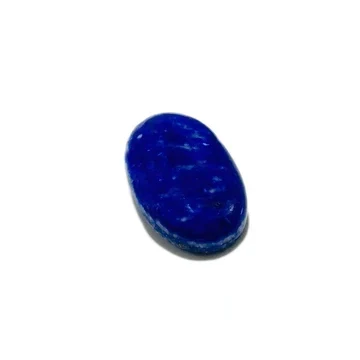
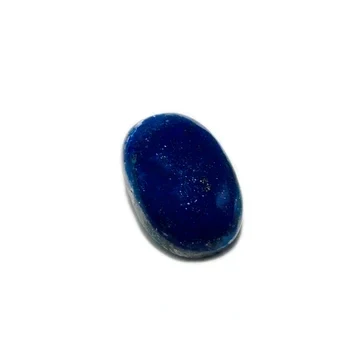
Amethyst is the gentler Saturn substitute, and many families are comfortable wearing it without restriction. Lapis lazuli (lajward) and blue tourmaline are named as well. Neelam is usually allowed with emerald or Venus stones, and normally kept away from ruby and red coral.
How neelam is traditionally worn
- Finger: the middle finger.
- Metal: silver, white gold or panchdhatu.
- Day: put on for the first time on a Saturday evening, Saturn's day.
Tradition recommends trying the stone for three to seven days, touching the skin, before having it set. Our 7-day return policy leaves room for that; just keep the stone unused and in its packaging if there is a chance you will send it back.
Checks before you buy
- Heating is common, and diffusion-treated and glass-filled stones are also around. Ask what treatment the stone has had.
- Under magnification, lab-grown sapphire can show curved growth lines.
- An even blue without inky, overly dark patches is preferred.
- For an expensive neelam, ask us to arrange independent lab testing.
Read neelam benefits and how it is worn and buying neelam.
Budget
Amethyst is easy to find under the Under 5,000 and 5,000 to 20,000 filters. Compare neelam under 20,000 to 50,000 and Over 50,000, where the larger and untreated stones tend to be.
Care
Sapphire is hard and cleans up well in warm soapy water. Amethyst can lose colour in long sunlight. See our gemstone care guide and amethyst care.
Buying neelam and amethyst from Authentic Gems
We photograph every stone exactly as it is and price it on its own, and we disclose any treatment we know about. A certificate is available if you ask, and we can arrange independent lab testing. You pay Cash on Delivery anywhere in Pakistan, opening the parcel and checking the stone before the rider gets paid. Orders leave us within 1 working day of confirmation, and Karachi deliveries usually arrive in 1–2 working days; our delivery details cover the rest of the country. Send us the weight and shade your astrologer has asked for, and tell us whether the stone has to be untreated.
The dates given here are Western sun-sign dates. Vedic practice works differently: your rashi is the sign the Moon occupied at the moment you were born, and it often turns out to be a different sign from your sun sign. Our rashi guide shows you how to work yours out.
References
Related
