

Zodiac stones
The Nine Planetary Stones (Navagraha) نو گرہ کے پتھر
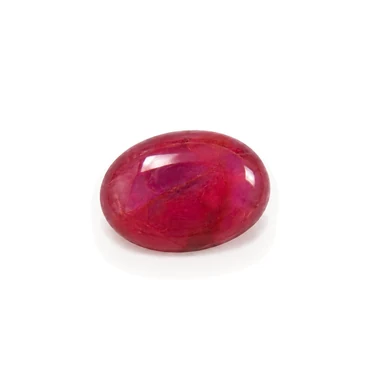
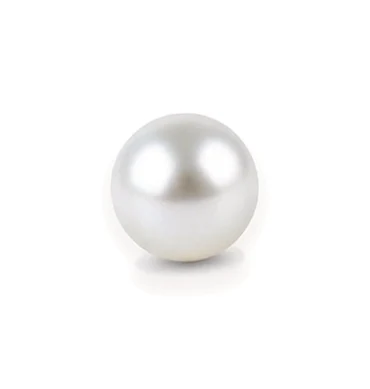
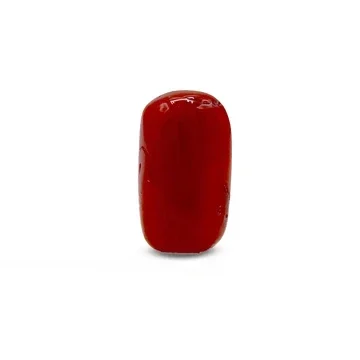
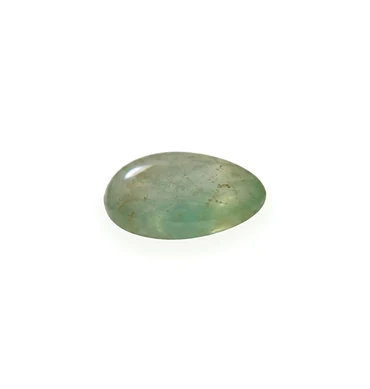
In short: In Vedic astrology each of the nine planets has its own gem: ruby for the Sun, pearl for the Moon, red coral for Mars, emerald for Mercury, yellow sapphire for Jupiter, diamond for Venus, blue sapphire for Saturn, hessonite (Gomed) for Rahu and cat's eye (Lehsunia) for Ketu. As a group the nine are known as the navaratna.
Vedic astrology pairs each of the nine planets, the navagraha, with one gem: ruby for the Sun, pearl for the Moon, red coral for Mars, emerald for Mercury, yellow sapphire for Jupiter, diamond for Venus, blue sapphire for Saturn, hessonite (Gomed) for Rahu and cat's eye (Lehsunia) for Ketu. The table below takes you to each stone.
- Planets
- 9 (navagraha)
- Set of stones
- Navaratna
- Rahu and Ketu
- Lunar nodes; stones given only from a chart reading
On the tray today
Shop the planetary stones
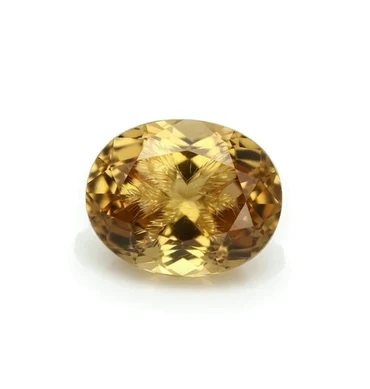
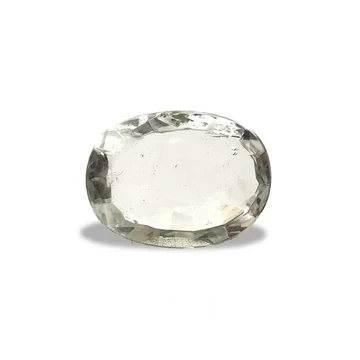
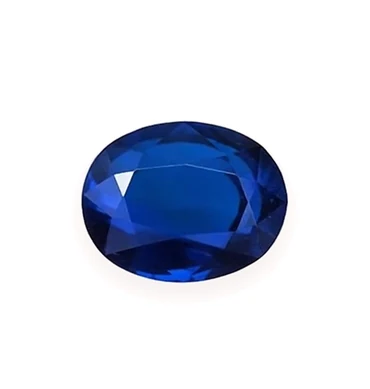
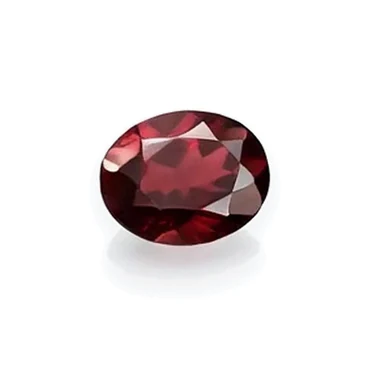
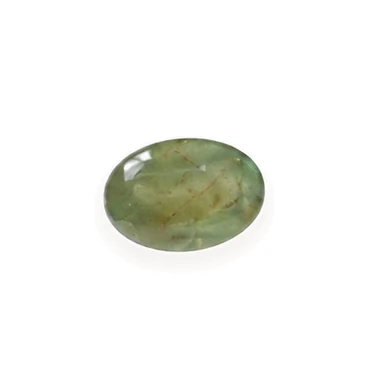
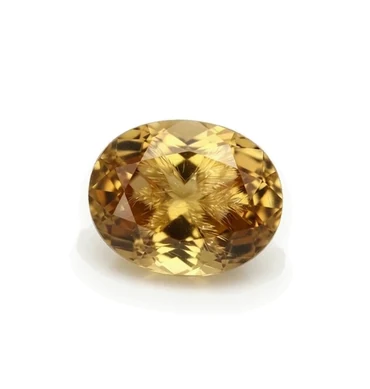
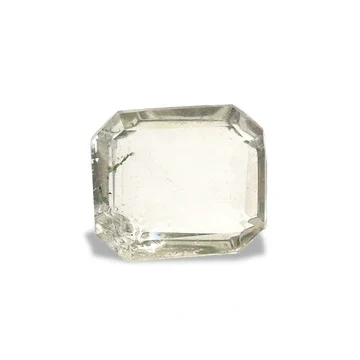
RubyPearlRed CoralEmeraldYellow SapphireWhite TopazSapphireHessonite (Gomed)Cat Eye

Written by Sameer
Reviewed on
Traditional belief vs gemmology: anything on this page about luck, protection, planets, healing or religious tradition describes traditional and cultural beliefs — not proven effects, religious rulings or medical advice. A stone's identity, hardness, treatment and origin are gemmology, which a lab can test; the references at the end of the page cover that side.
Nine planets, nine stones
Jyotish counts nine planetary influences, the navagraha: the Sun and the Moon, the five planets you can see with the naked eye, and the two lunar nodes, Rahu and Ketu. Each one has a main gem, and the full set of nine is called the navaratna.
| Planet | Stone | Shop | Day | Traditional setting |
|---|---|---|---|---|
| Sun (Surya) | Ruby (Yaqoot / Manik) | Ruby | Sunday | Ring finger, gold or copper |
| Moon (Chandra) | Pearl (Moti) | Pearl | Monday | Little finger, silver |
| Mars (Mangal) | Red coral (Marjan / Moonga) | Red coral | Tuesday | Ring finger, gold or copper |
| Mercury (Budh) | Emerald (Zamurd / Panna) | Emerald | Wednesday | Little finger, gold or silver |
| Jupiter (Guru) | Yellow sapphire (Pukhraj) | Yellow sapphire | Thursday | Index finger, gold |
| Venus (Shukra) | Diamond (Heera); white sapphire as substitute | White topaz, opal | Friday | Middle or ring finger, silver or white gold |
| Saturn (Shani) | Blue sapphire (Neelam) | Blue sapphire | Saturday | Middle finger, silver or panchdhatu |
| Rahu | Hessonite (Gomed) | Hessonite | Saturday | Middle finger, silver or panchdhatu |
| Ketu | Cat's eye (Lehsunia) | Cat's eye | Tuesday or Thursday | Little or middle finger, silver or panchdhatu |
The seven visible planets
Sun, Moon and Mars
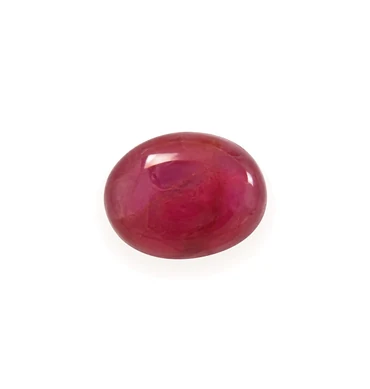
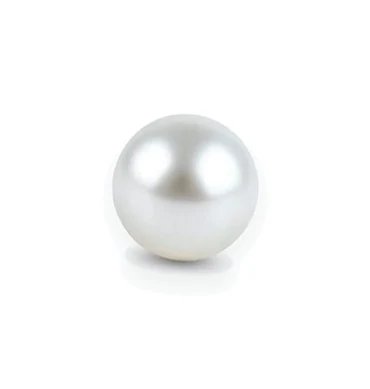
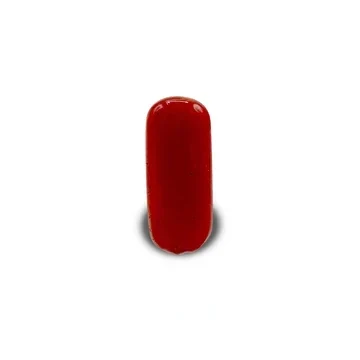
Ruby is the Sun's stone, traditionally tied to authority and self-confidence, and red garnet is the usual stand-in. Pearl is the Moon's, tied to the mind and a calm temperament, with moonstone as its substitute. Red coral is for Mars, the planet of energy and courage, and red agate (carnelian) takes its place when coral isn't used.
Mercury and Jupiter
Emerald goes with Mercury, the planet of intellect, speech and business; peridot is the substitute. Yellow sapphire goes with Jupiter, the planet of wisdom and prosperity, and citrine or yellow topaz can stand in for it.
Venus, and why we don't sell diamonds
The classical Venus gem is diamond, which Authentic Gems does not stock. The tradition accepts white sapphire, white zircon and opal instead, and plenty of families wear white topaz. Message us on WhatsApp about white sapphire, or browse white topaz and opal.
Saturn
Saturn's stone is blue sapphire, Neelam, and it is the one tradition approaches most carefully. Amethyst and lapis lazuli are the softer-acting substitutes.
Rahu and Ketu
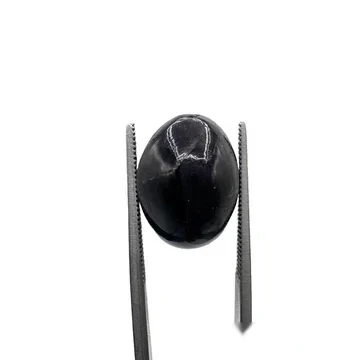
Rahu and Ketu are the two points where the Moon's path cuts across the Sun's. Neither rules a sign, so their stones are only ever given after a proper chart reading. Rahu takes hessonite garnet, which most people here call Gomed, a honey to orange-brown stone; see our hessonite category. Ketu takes cat's eye, Lehsunia, a chrysoberyl with a crisp line of light running across it; see cat's eye and our guide to Lehsunia grading. Tiger eye is sometimes named as a Ketu substitute.
Choosing a stone by planet
The idea is that you wear a planet's stone to strengthen that planet when it sits well in your chart. So an astrologer looks at your ascendant, your current dasha and which planets are weak before naming a gem, and two people born under the same sign can walk away with different stones. Some combinations are usually avoided, such as Neelam with ruby or red coral, or Pukhraj with a Venus stone. If all you know is your sign, begin at the zodiac gemstones hub; for the full background, read gemstones by rashi.
Buying a planetary stone
The tradition calls for a natural stone, untreated if possible, in the weight the astrologer gives you. Ask us about the treatment status of any stone, and for an expensive one, have it independently lab tested. Here is how we check every gemstone. Price comes down to colour, clarity, treatment, origin and size, and the budget filters in the shop make comparing easier.
References
Related
