In this article

Written by Sameer
Reviewed on
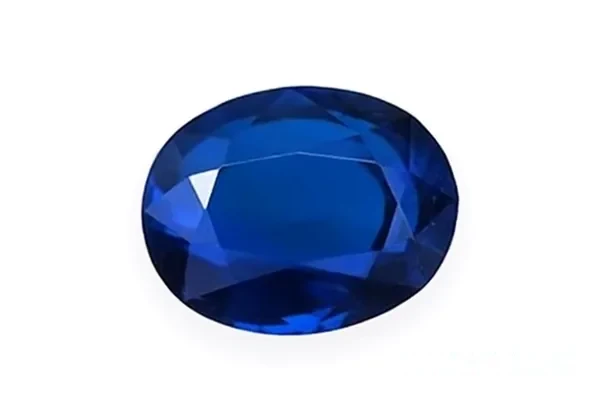
Neelam is one of the most bought and most talked-about stones in Pakistan. It is also a stone where first-time buyers easily get lost in talk of Kashmir, Ceylon, heating and astrology. The reassuring part is that a sensible purchase comes down to a few clear checks. We'll go through those first, then what tradition says about wearing neelam.
Begin with the blue
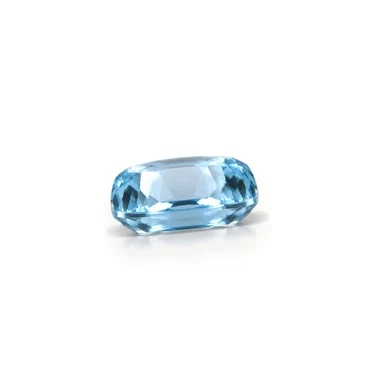
The sapphires people prize most have a rich blue, velvety to vivid, that stays blue in daylight and under indoor lights alike. Too pale and the stone looks washed out. Too dark and it looks black anywhere away from bright light. Many sapphires also show colour zoning, which is bands of stronger and weaker blue side by side. Look down at the stone from the top. If you can see the zoning face-up, the price should take that into account.
Where it was mined
Kashmir sapphire has the biggest name in history but is very rare today. Sri Lanka (Ceylon) is known for brighter, lighter blues, and Madagascar, Thailand and Australia also feed the market. Origin can change the price, but only a lab report can confirm it, so don't pay extra because someone told you where a stone is from.
Heated or not
Most sapphires are heated to improve their colour and clarity. The result is stable and widely accepted, but an unheated stone with good colour costs more. Ask the seller to put the treatment on the invoice.
Is it sapphire in the first place?
The usual mix-ups are blue spinel and glass. Spinel is singly refractive, so you never see doubled facet edges inside it, and a gem tester or lab will tell the two apart in moments. Glass shows round bubbles and warms up in your hand. A flawless, deep blue stone at a low price should set off alarm bells.
Made for daily wear
At 9 on the Mohs scale, sapphire is one of the hardest gems there is, which makes it ideal for a ring you never take off.
Price
Colour, treatment, clarity and origin decide most of the price, and size multiplies it. We price every stone on its own.
Neelam and tradition
In South Asian astrology blue sapphire belongs to Saturn (Shani) and is traditionally worn for discipline, focus and steady progress. It is also the stone tradition says to try before wearing for good, and many astrologers suggest a short trial. These are beliefs, not guaranteed results. Agree the weight, metal and finger with your astrologer before a ring is made; our rashi guide covers the usual pairings.
Three things to confirm before paying
That the stone is natural, that any treatment is in writing, and that the weight given is for the cut stone. We check every sapphire and photograph each one on its own. Browse our sapphires, or compare white agate and chalcedony. Our gem names page lists the Urdu and English names. Cash on Delivery covers all of Karachi, where orders usually arrive in 1–2 working days, and Lahore and every other city after that.
References