

Stones by zodiac sign
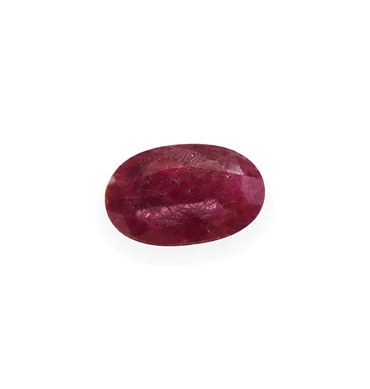
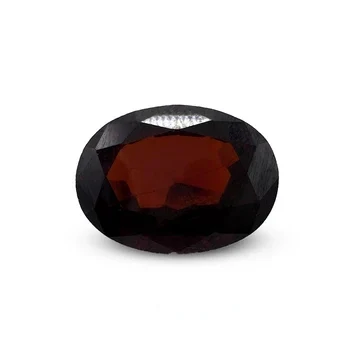
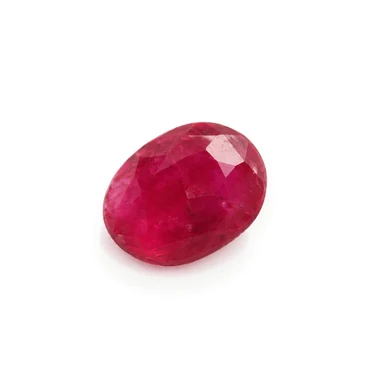
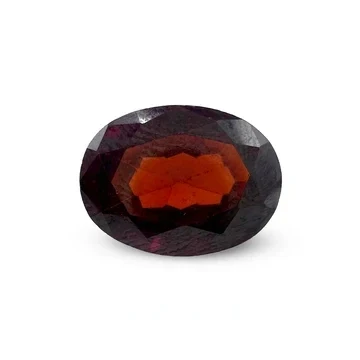
Leo Gemstones: Yaqoot (Ruby) and Garnet برج اسد
In short: Leo, called Simha in Vedic astrology, is ruled by the Sun, so its traditional stone is ruby, known as Yaqoot or Manik. Red garnet is the common, milder substitute. Ruby counts as one of the strong stones in the tradition, so people normally get a reading before wearing it on the ring finger.
Leo, or Simha in Vedic astrology, is ruled by the Sun, so its traditional stone is ruby (Yaqoot, also called Manik). Red garnet is the usual substitute. Ruby is one of the strong stones in the tradition, and people are normally advised to get a reading before wearing it. Here is how it is worn and what to check.
- Dates
- 23 July – 22 August
- Vedic name
- Simha
- Ruling planet
- Sun (Surya)
- Primary stone
- Ruby (Yaqoot / Manik)
- Secondary stone
- Red garnet

Written by Sameer
Reviewed on
Traditional belief vs gemmology: anything on this page about luck, protection, planets, healing or religious tradition describes traditional and cultural beliefs — not proven effects, religious rulings or medical advice. A stone's identity, hardness, treatment and origin are gemmology, which a lab can test; the references at the end of the page cover that side.
The main stone: Yaqoot (ruby)
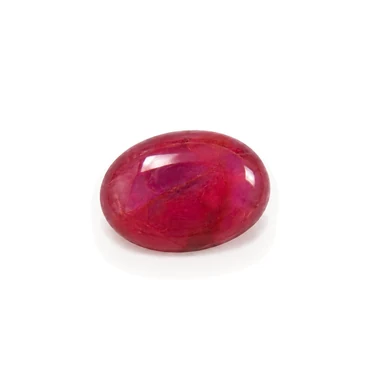
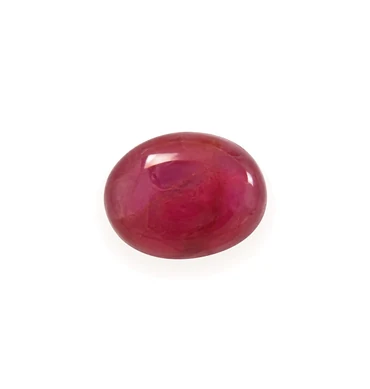
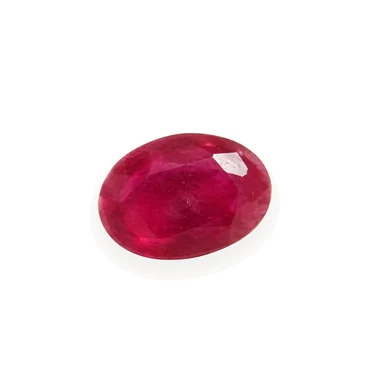
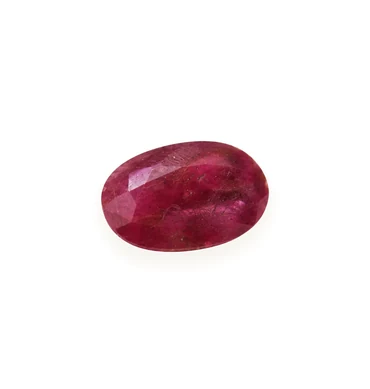
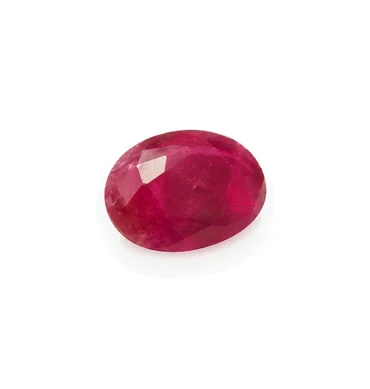
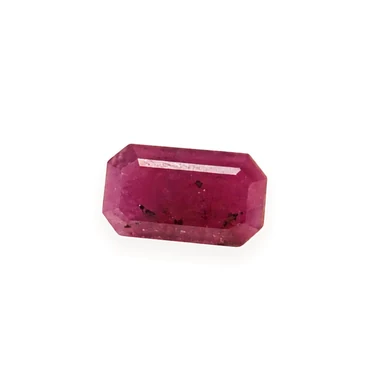
Ruby is the gem of the Sun, or Surya, which tradition ties to authority, vitality, the father and self-confidence. It is red corundum and hard enough to wear every day. Browse our ruby, each stone photographed and priced individually.
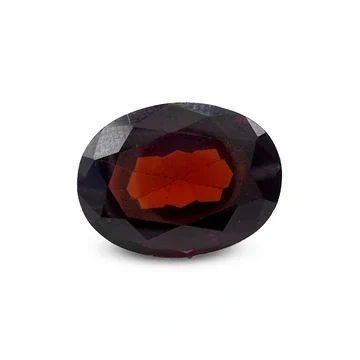
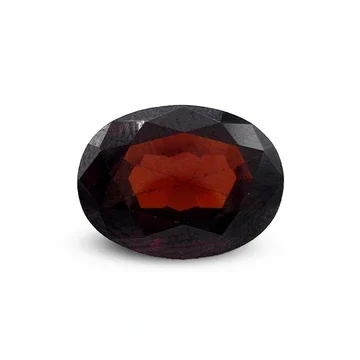
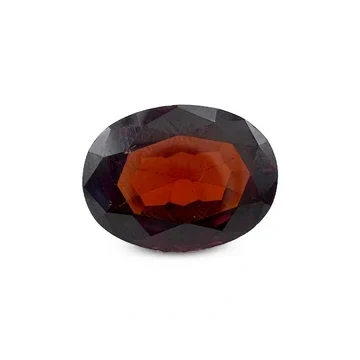
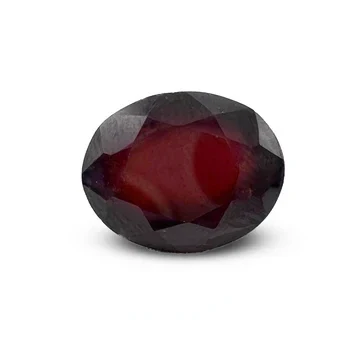
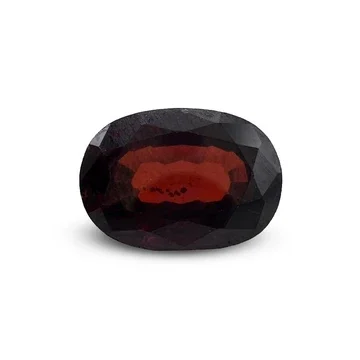
The substitute: red garnet
Garnet takes ruby's place as a milder substitute, and red spinel is mentioned as well. Many readings permit ruby together with yellow sapphire or pearl, but it is usually kept away from Neelam.
Wearing ruby the traditional way
- Finger: the ring finger.
- Metal: gold or copper.
- Day: first put on on a Sunday close to sunrise, the Sun's day.
Settings are usually open at the back so the ruby touches the skin. Tradition also recommends a short trial period before you commit to a strong stone.
Checks before you buy ruby
- Glass-filled ruby is everywhere. Ask straight out whether a stone is heated, filled or untreated.
- Synthetic ruby can look flawless. A perfect, bright stone at a low price should be tested.
- Fine silk and natural inclusions seen under a loupe are normal in natural ruby.
- Our 7-day return policy gives you time to decide before the stone is set.
Read reading a ruby and how we check every stone.
Setting a budget
Ruby prices depend on colour, clarity, treatment and size, and an untreated stone of the weight astrologers usually ask for costs more. Garnet is often found under the Under 5,000 and 5,000 to 20,000 filters, while ruby is better compared in 20,000 to 50,000 and Over 50,000.
Looking after it
Ruby itself is hard, but heat and chemicals can damage a filled ruby. Clean it in lukewarm soapy water with a soft brush. See our gemstone care guide.
Buying ruby and garnet from Authentic Gems
Each stone is photographed as it is, priced on its own, and sold with any known treatment stated. A certificate is available if you ask, and independent lab testing can be arranged. Pay Cash on Delivery anywhere in Pakistan, checking the stone in the opened parcel before you pay the rider. After we confirm your order it leaves within 1 working day, reaching Karachi addresses in about 1–2 working days; see our delivery details. If your astrologer wants an untreated ruby, mention it in your message so we only show you stones that qualify.
The dates given above are Western sun-sign dates. In Vedic practice your rashi is the sign the Moon was in when you were born, and that is often not your sun sign. Our rashi guide explains how to find it.
References
Related
