
In this article
- Gomed prices in our own listings
- The things that decide a gomed's price
- How the ratti rate works in our bazaars
- Putting two quotes side by side
- Budget bands in the shop filter
- Where people end up paying too much
- When a lab report earns its fee
- Tradition and what it does to price
- Buying a gomed from Authentic Gems
- خلاصہ

Written by Sameer
Reviewed on
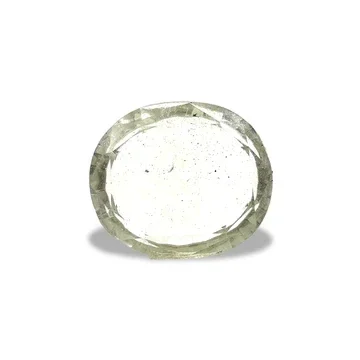
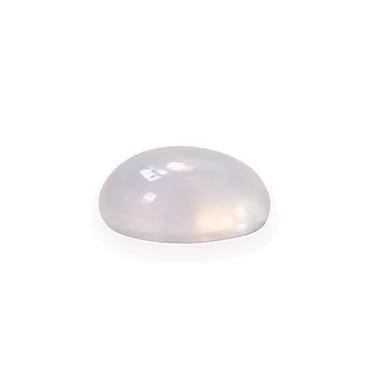
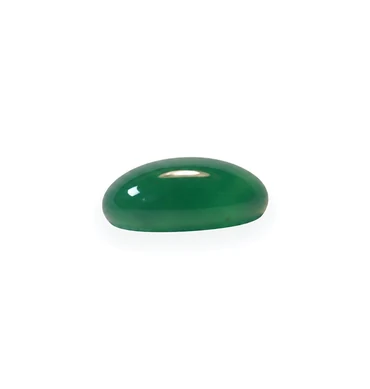
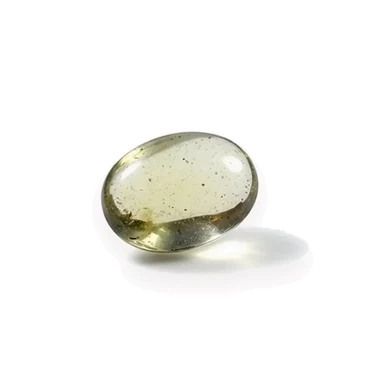
When someone brings a gomed to our counter and asks what it is worth, we look at three things before anything else: the colour, how clean and alive it looks, and how big it is. A glowing honey or cinnamon hessonite with nothing visible inside is the expensive end. A dark, sleepy stone the colour of cola is the cheap end, even if the two weigh exactly the same. Cut and origin claims come next; treatment rarely matters. The table below shows the low, typical and high figures from our own listings, per stone, per carat and per ratti.
If you want the history of the stone and the tests for a genuine one, our Gomed guide covers that. This article sticks to money: what your rupees are actually buying, how bazaar rates are quoted, and how to put two offers side by side without being misled.
Gomed prices in our own listings
The table is drawn from the hessonite we have in stock and is updated as stones come and go. Read it as the spread, not a fixed rate.
| Weight | Weights | Stones | Per carat | Per ratti |
|---|---|---|---|---|
| All Hessonite (Gomed) in stock | 3.5 – 13.3 ct | 4 | Rs 1,000 – Rs 1,400 | Rs 900 – Rs 1,250 |
We price each stone by itself, so two gomeds of the same weight can land at opposite ends of that range. The rest of this page explains why that happens. For the wider market across all stones, see our gemstone price guide.
The things that decide a gomed's price
1. Colour comes first
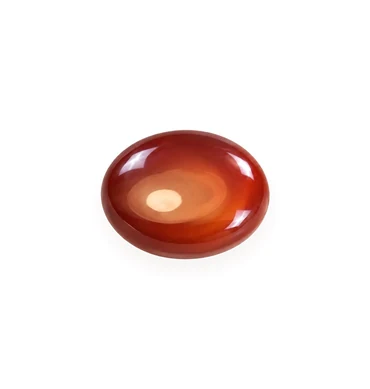
Nothing moves the price of hessonite more than its colour. It belongs to the garnet family, and its shades run from pale honey through cinnamon and orange down to a heavy reddish brown that dealers here call cola. Roughly, the trade ranks them like this:
- Top: a bright, well-saturated honey-orange to cinnamon that seems to glow from inside. In the bazaar this is called "Ceylon colour", whether or not the stone ever saw Sri Lanka.
- Middle: a deeper orange-brown that still looks lively when you take it into daylight.
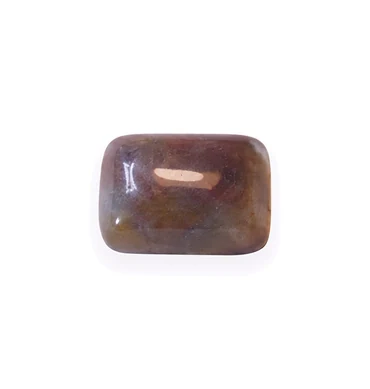
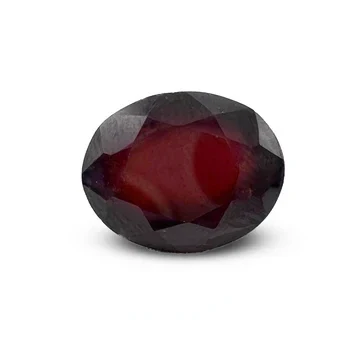
- Bottom: very dark cola stones that turn almost black after sunset, and very pale ones that look washed out.
Look at a gomed by a window and again under a warm bulb. A good stone keeps its warmth in both; a dark one can look lovely in a studio photo and dull on your finger at night.
Watch for colour zoning too: bands of lighter and darker orange seen through the side. If it shows from the top, the price drops. Ask for a photo on plain white paper, where zoning is easy to spot.
2. Clarity and the syrupy look inside
Almost every natural hessonite has a swirling, treacle-like texture inside. Gemmologists liken it to heat haze, often with tiny crystals in it. That texture is normal, and it is one of the signs that you are holding the real thing. What costs a stone money is texture so thick that the whole gem looks hazy, or crystals and cracks big enough to see without a lens. A gomed that looks clean to the eye, with only a faint swirl, sells at a premium.
3. Brilliance
Two stones of the same colour and clarity can still behave differently. One flashes as you tilt your hand; the other looks flat and slightly oily, what we call sleepy. Part of the difference is the rough and part is the cutting, and a ten-second video shows it far better than any still photo.
4. Size
Hessonite turns up in fairly large pieces, so the per-carat price climbs more gently with size than it does for neelam or yaqoot. All the same, a big stone with top colour and good clarity does cost more per carat than a small one of the same quality. Astrologers often name a heavier weight for gomed, so size has a real effect on what most people spend.
5. Cut
A lot of gomed is cut at source with weight in mind rather than looks, which leaves a deep, bulging belly under the stone. That adds carats, not beauty. A well-proportioned stone can weigh less and still look the same size from the top, and it deserves a higher per-carat price because none of its weight is hidden underneath. Judge a gomed by how large and bright it looks face-up, not just by the number on the scale.
6. Origin
Sri Lanka is the traditional name in hessonite, and "Ceylon gomed" is one of the most common phrases you will hear in any bazaar. Fine material also comes from East Africa and from India. A known origin can add something to the price, but nobody can tell origin reliably by looking. If a dealer wants more money for a country name, ask how they know, and ask for it in writing.
7. Treatment
Good news for buyers: hessonite is usually left untreated. Now and then a very dark stone is heated to lighten it, and glass or lab-made material is sometimes sold as gomed. Ask the seller to confirm that the stone is natural and to say plainly whether anything has been done to it.
How the ratti rate works in our bazaars
Gomed is very often sold by the ratti, because that is the unit astrologers use when they write down a weight. So before you compare any rate, find out which ratti the seller means.
- The standard gem ratti used for stones in Pakistan is 0.91 carat, roughly 0.182 grams.
- The goldsmith's sunari ratti is lighter, about 0.1215 grams, which comes to around 0.61 carat.
- A carat is 0.2 grams.
That means a "5 ratti" gomed weighs about 4.55 carats if the seller uses gem ratti, but only about 3 carats in sunari ratti. Our carat to ratti converter does the sums for you.
The ratti rate itself also rises with quality. A dealer may give you one rate for dark, included gomed and a far higher one for a bright, clean stone, and both are honestly "gomed per ratti". A rate with no description of the stone tells you very little.
Putting two quotes side by side
- Bring both weights to carats. Ask for the carat weight of the loose, cut stone. If you only get ratti, ask which ratti and convert it.
- Find the price per carat. Divide the price by the carat weight. It is the only honest way to compare stones of different sizes.
- Look at them together. Put daylight photos of both next to each other. If one is brighter, cleaner or better coloured, a higher per-carat price can be perfectly fair.
- Ask for the face-up size. Get length and width in millimetres. A deep, heavy stone can be cheaper per carat and still be worse value.
- Check what the price covers. Is it the loose stone or a finished ring? Is a certificate included or charged separately?
- Check the terms. Can you see the stone before you pay, and can you send it back if it is not what was described?
Budget bands in the shop filter
Use our shop's price filters to see what each band buys, then compare the gomeds inside it.
- The entry band: smaller or darker stones, plus plenty of affordable alternatives. A sensible place to begin if this is your first stone.
- The second band: where a lot of people find a lively, medium-sized gomed with decent colour.
- The third band: bigger stones with better colour and clarity, and often the right range for a weight an astrologer has named.
- The top band: large, bright stones that look clean to the eye, where paying for a certificate makes sense.
Because hessonite is a garnet, it sits in our garnet collection next to its red cousins. Red garnets like the 12.60 carat red garnet and the 13.20 carat red garnet show how much colour alone changes the look of a garnet. They are not gomed, and tradition does not treat them as a substitute. Our article on why garnets differ in price looks at the whole family.
Where people end up paying too much
- Paying for a country name. An extra charge for "Ceylon" with nothing behind it but the seller's word.
- Mixing up the ratti. Paying a gem-ratti rate for a weight that was counted in sunari ratti.
- Buying the belly. Paying per carat for weight that sits hidden under a deep stone.
- Glass and synthetics. Bright orange glass does get sold as gomed. Real hessonite shows that swirling inner texture; glass often shows small round bubbles. Our real or fake guide walks through the basics.
- The ring mark-up. Buying a finished ring where the stone's cost is buried in the setting. Buy the loose stone first so you know exactly what you paid for it.
When a lab report earns its fee
On a small gomed, a lab report can cost a large share of the stone's price. On a bigger stone bought on an astrologer's advice, or one sold with an origin premium, it is sensible. We can provide a certificate on request for our stones, and you are always free to take any stone to an independent lab yourself. Our guide to reading a lab certificate explains each line on the report.
Tradition and what it does to price
In Vedic astrology gomed is Rahu's stone, and it is usually talked about alongside lehsunia, the stone of Ketu. Many astrologers name a weight and suggest wearing the stone for a trial period before having it set. These are beliefs, not promises, and they do not change a stone's worth. A bright, clean gomed at the recommended weight is better value than a heavier dark one, whatever you are buying it for. Our page on the nine planetary stones gives the background, and Aquarius and Capricorn cover the two signs most often linked with it.
Buying a gomed from Authentic Gems
Every stone we list is natural, checked by hand and photographed by itself, with its own carat weight and price. We confirm by phone or WhatsApp and dispatch within one working day by insured, tracked courier. In Karachi it usually reaches you in 1 to 2 working days, from DHA and Clifton to Gulshan-e-Iqbal and North Nazimabad. Lahore, Islamabad, Rawalpindi and the other big cities usually take 2 to 4 working days, and smaller towns up to about seven working days. Delivery is a flat Rs. 500 per order. With Cash on Delivery you open the parcel in front of the rider, look at the stone, and only then pay. Unused stones in their original packing can come back within 7 days under our return policy. If someone has quoted you for a gomed elsewhere, message us on WhatsApp through our contact page and we will help you work out what it comes to per carat.
See the stones: hessonite.
The beliefs mentioned on this page are traditions, shared for interest. They are not guaranteed outcomes, religious rulings or medical advice.
References