In this article
- One name, two minerals
- Jade in Chinese tradition
- Yashab at the Mughal court and across the Persian world
- Jade in Muslim families in Pakistan
- Jade in Vedic astrology
- Colours of jade and what people say they mean
- Giving jade
- Who usually wears jade
- The practical benefits nobody disputes
- Making sure it is real jade
- Looking after jade
- Choosing your jade
- خلاصہ

Written by Sameer
Reviewed on
Traditional belief vs gemmology: anything on this page about luck, protection, planets, healing or religious tradition describes traditional and cultural beliefs — not proven effects, religious rulings or medical advice. A stone's identity, hardness, treatment and origin are gemmology, which a lab can test; the references at the end of the page cover that side.
Hardly any stone has been loved for as long, or by as many cultures, as jade. Here in Pakistan it goes by yashab, and people buy it for steadiness, for protection, or just because a smooth green stone feels good in the hand. Ask what jade is "good for" and the answer depends on who you ask: a Chinese grandmother, a historian of the Mughals, a Vedic astrologer or a jeweller in Peshawar will each tell you something different.
On this page we lay those traditions out side by side, as beliefs rather than promises. Then we turn to the benefits nobody argues about: jade is one of the toughest materials anyone has ever worn, and that makes it a very practical stone. If you need help choosing between jadeite, nephrite and the look-alikes, read our yashab buying guide first.
One name, two minerals
"Jade" is really two minerals. Nephrite is built from interlocking fibres and comes mostly in spinach green, olive and creamy white. Jadeite has a granular structure and can show brighter greens, lavender and other colours. Most of the old traditions, the Chinese and Mughal ones included, grew up around nephrite, because jadeite reached those courts much later. Both are sold as yashab today. Nephrite has its own story in our nephrite tradition article; here we look at jade as a whole.
Jade in Chinese tradition
Jade has been carved in China for thousands of years, and it stands for virtue, purity and long life. Classical writers likened it to a good person: smooth without being soft, strong without being sharp. Beliefs that are still widely held include:
- Protection. Jade bangles and pendants are given to children and brides as protective gifts. Many families believe that when a jade bangle cracks, it has taken a blow meant for the person wearing it.
- Calm and balance. Jade is linked with an even temper and a settled mind.
- Long life and good fortune. It is a common gift for births, weddings and elderly relatives.
These are cultural beliefs handed down in families. We make no claims about health, wealth or protection from wearing jade.
Yashab at the Mughal court and across the Persian world
The word yashab reached Urdu from Persian (yashm), and the stone has deep roots in our part of the world. The Mughal emperors commissioned carved jade cups, dagger hilts, mirror backs and thumb rings, some inlaid with gold and rubies, and many of these survive in museum collections today.
A few folk beliefs travelled along with the stone:
- Against poison. An old and popular belief said a jade cup would crack or change colour if poison were poured into it. That is a story, not something jade actually does, but it explains why rulers liked drinking from jade.
- Against nazar and harm. In Persian and Central Asian folk custom, yashab was worn to guard against the evil eye and, in some places, against lightning and accidents on the road.
- For courage and victory. Jade was set into sword and dagger hilts in the belief that it steadied the hand that held them.
Our protection stones page lists other stones that Pakistani households keep for similar reasons.
Jade in Muslim families in Pakistan
Plenty of Muslim families here wear yashab rings and use yashab tasbih, often in silver, as a protective or calming stone passed down by elders. These customs come from regional and family tradition. They aren't religious rulings, and practice differs from family to family; for guidance on the religious side, please ask a scholar you trust. Jade's toughness and smooth feel make it lovely for prayer beads, and our gemstone tasbih page compares it with other bead stones.
Jade in Vedic astrology
Jade isn't one of the nine classical planetary stones, the navaratna. In popular practice, though, green jade is sometimes recommended as an affordable substitute (uparatna) for emerald, panna, which is Mercury's (Budh's) stone. Following that logic, some astrologers connect it with Gemini and Virgo, and with communication, study and business. Others don't use jade at all. If you are wearing it for astrological reasons, ask your astrologer for the weight, finger and metal, and go by their reading.
Colours of jade and what people say they mean
Jade comes in more colours than most people realise, and popular tradition gives each a slightly different meaning. These vary between cultures and between sellers, so take them as a rough guide, not a fixed system.
- Deep green. The classic colour, most tied to growth and steadiness and, in astrological practice, to Mercury.
- Pale or apple green. Often chosen for calm and freshness, and a favourite gift for young people.
- White, or "mutton-fat". Creamy white nephrite has been the most prized colour in China for centuries, and it is associated with purity.
- Lavender. Found in jadeite, and linked in modern crystal culture with a gentle, spiritual mood.
- Black and dark green. Worn by some as a protective stone, much like black agate.
If you are buying jade for its meaning, go with the colour that speaks to you. If an astrologer has advised it, they will usually ask for green.
Giving jade
Since so many traditions link jade with protection and long life, it makes a thoughtful present for a new baby, a nikah, Eid or an elder's birthday. Its toughness helps as well: a jade pendant or bead bracelet copes with daily life far better than softer stones like pearl or opal. Our gemstone gifts guide has more ideas.
Who usually wears jade
Pulling those traditions together, jade tends to be chosen by:
- people who want a calming, steadying stone for everyday wear (see our calm and focus page);
- families looking for a protective gift for a child, a bride or an older relative;
- students and traders whose astrologer uses jade in place of emerald;
- men who want a green ring stone that will survive hard daily use;
- anyone who simply loves green stones, which you can browse on our green gemstones page.
The practical benefits nobody disputes
Whatever you make of jade's meanings, its physical qualities are well established.
Toughness
Jade's interlocking structure makes it extremely hard to break or chip. Nephrite especially is among the toughest natural gem materials known, which is why early peoples made tools and axe heads from it. Knock a jade ring against a door frame and it is much less likely to chip than many harder stones.
Hardness
Nephrite is about 6 to 6.5 on the Mohs scale and jadeite about 6.5 to 7. That is enough for daily wear, though over the years sand and quartz dust can slowly take the shine off the polish.
Feel
Polished jade has a smooth, slightly oily lustre. It feels cool at first, then warms quickly in your hand. Many people find it pleasant to hold, which is part of why it has been used for beads and worry stones for so long.
A price for most pockets
Good nephrite is affordable, while fine translucent jadeite can be very expensive. That spread means there is real jade for almost any budget. Our jade price guide explains what moves the price.
Making sure it is real jade
None of these traditions apply to serpentine, dyed quartzite or glass sold as "jade", and all three are common in Pakistani markets. Real jade resists a steel blade, feels heavy for its size and shows a fibrous or granular texture under a loupe. Dyed stones often show colour pooled in cracks. Treated jadeite, called B or C jade, has been bleached and resin-filled or dyed. Only a lab can confirm untreated jadeite for certain, and you are welcome to have any stone you buy from us tested independently. Our real or fake jade guide goes through the checks in more depth.
Looking after jade
- Cleaning. Wash in lukewarm water with a little mild soap, rinse, and dry with a soft cloth. This is safe for natural nephrite and untreated jadeite.
- Treated jade. Resin-filled jadeite can be harmed by heat, strong solvents and ultrasonic cleaners. If you aren't sure whether yours is treated, stick to soap and water.
- Storage. Keep jade apart from harder stones like sapphire, ruby and quartz, which can scratch it. A soft pouch does the job.
- Heat. Don't leave jade near the stove or out in strong summer sun for long periods.
- Bangles. Tough as it is, a jade bangle dropped on a hard floor can still break. Take it off for heavy housework.
Our full gemstone care guide has more detail.
Choosing your jade
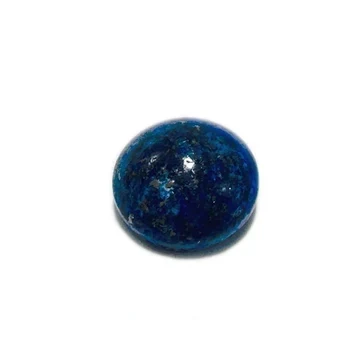
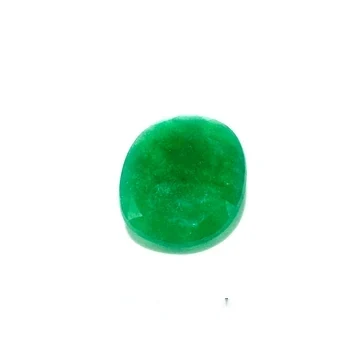
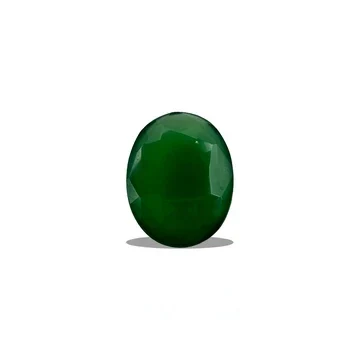
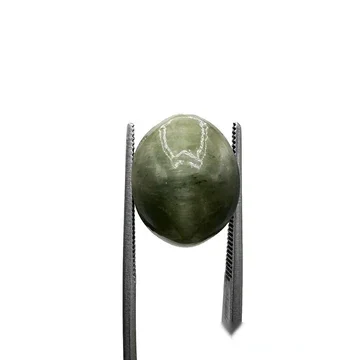
Choose a stone with even colour, a smooth polish and the level of translucency you like; that glow as light passes into the stone is a big part of jade's charm. Browse our jade (yashab) collection, where every stone is listed and priced on its own, such as this 10.74 carat yashab or this 10.85 carat yashab. If you want nephrite specifically, see the nephrite collection. Once you are ready to wear it, our how to wear jade guide covers finger and setting.
Not sure which stone fits what you have in mind? Message us on WhatsApp, tell us what you want it for, and we will help you choose. Orders within Karachi usually reach you in 1–2 working days.
Shop the stones: jade.
The beliefs mentioned here are traditions, shared for interest. They are not promised outcomes, religious rulings or medical advice.
References