In this article

Written by Sameer
Reviewed on
Genuine jade is one of two minerals: nephrite or jadeite. Anything else sold as jade, whether green serpentine, dyed quartz or glass, is an imitation, however good it looks. With a loupe, a torch and some attention to weight and texture you can rule out the obvious fakes at home. What you can't do at home is prove a stone is untreated jade. That takes a lab, especially for jadeite, where bleaching and resin filling are routine.
This piece is about asli ki pehchan, telling the real from the fake. It covers the imitations you are most likely to meet in Pakistan, the home checks that genuinely help, the popular tests that mislead, and what a laboratory adds. If you need help choosing between nephrite and jadeite or judging quality, our jade buying guide deals with that. To look at real stones side by side, see our jade collection.
Why jade gets faked so much
Three reasons. First, the word is used loosely: "jade" in a shop might mean nephrite, jadeite, or just "some green stone". Second, much jade is opaque or only partly translucent, so there is no sparkle to judge, and plenty of green stones look alike once polished into a cabochon or bead. Third, a lot of jade is sold as carvings, bangles and tasbih beads, and nobody looks closely at a single bead on a string.
Selling an imitation under its own name is fair trade. Selling it as jade is not. The point is to know which one is in your hand.
The imitations common in Pakistan
Serpentine ("new jade", "Afghan jade")
This is the substitute you will see most. Serpentine is a softer green to yellow-green mineral, sold as "new jade", "Afghan jade", even "Pakistani jade". It can be pretty and translucent, but it is far softer than jade, scratches with steel and feels lighter in the hand. Once polished it often looks waxy, almost greasy.
Green aventurine (quartz)
Sold as "Indian jade". In sunlight or under a torch, aventurine shows tiny glittering flakes of mica, a sparkle that jade never has. Because it is quartz, it is harder than serpentine and close to jade in hardness, which is why a scratch test on its own won't catch it.
Dyed quartzite and chalcedony ("Malaysia jade")
White quartzite or chalcedony dyed a bright green turns up under names like "Malaysia jade". The colour is usually too even and too bright, and under magnification it collects along grain boundaries and small cracks in a net of darker green.
Glass
Green glass, sometimes made milky to copy translucent jade, goes into cheap beads and cabochons. Look for round gas bubbles, swirl lines, a sharp glassy shine and mould seams on carved pieces.
Other green stones
Prehnite, chrysoprase, green calcite, and dyed or bleached marble all appear as jade too. Most are genuine minerals with their own names and fair prices of their own. The problem is only when they borrow jade's name and jade's price.
Plastic and resin
Very light, warm to touch, and often with a soft, matt surface. Common in fashion jewellery and cheap tasbih.
Real jade that has been treated
Not every problem is a fake. Real jadeite is often treated, and the trade grades it with letters:
- Type A: natural jadeite with only a surface wax finish.
- Type B: jadeite bleached in acid to strip brown staining, then filled with polymer resin to improve clarity. Over years it can go brittle and cloudy.
- Type C: jadeite dyed to add or deepen colour, often combined with B and sold as "B+C".
Nephrite is treated less often, though some is dyed or heavily waxed. Treated jade is still jade, but it must be described as treated and priced well below Type A. A treated bangle can actually look better than a natural one, which is exactly how it catches buyers out.
Home checks worth doing
No single check proves anything. Together, they will catch most imitations before you pay.
1. Use a loupe
A 10x jeweller's loupe is the most useful tool you can own. Nephrite shows a fine, felted or fibrous texture. Jadeite shows small interlocking grains, sometimes with a slightly dimpled "orange peel" surface where softer grains polished lower. Glass shows bubbles and swirls, aventurine shows flat sparkling flakes, and dyed stones show colour packed into cracks and along grain edges.
2. Shine a torch through it
Hold a small torch behind or against the stone. Real jade usually looks mottled, cloudy or fibrous inside, with uneven colour. Dyed stones tend to show colour in veins and webs. Glass looks too uniform. Perfectly even colour with no structure at all is a reason to doubt.
3. Feel the weight
Jade is dense. Jadeite is heavier for its size than quartz, with nephrite not far behind. Serpentine, plastic and resin feel noticeably light. If you have a piece you know is jade of a similar size, hold one in each palm. It is a rough check and gets better with experience.
4. Notice the temperature
Stone feels cool at first and takes a while to warm in your hand. Plastic and resin feel warm almost straight away. Glass feels cool as well, so this only rules out plastic.
5. Study the surface
Polished nephrite has a soft, oily or waxy shine, and jadeite can look a touch more glassy. Glass usually looks sharper and more mirror-like, and plastic often shows fine scratches and a dull, soft surface after some use.
6. Ask for it in writing
This is a test as well. A seller who is confident the jade is natural and untreated will write "natural nephrite" or "natural jadeite, untreated" on the invoice. Vague phrases like "jade stone", "green jade" or "Afghan jade" mean you should ask more questions.
Popular tests that mislead
- Scratching it: real jade is 6 to 7 on Mohs, so a steel blade shouldn't mark it, while serpentine scratches. But quartz fakes resist steel too, and scratching a stone you haven't bought is damaging someone else's property. Never do it to a finished piece.
- Listening to the ring: people knock jade bangles together and listen for a clear tone. The sound depends on shape and thickness, and glass rings too. It isn't reliable.
- The flame or lighter test: heat can crack jade, burn the resin in Type B jadeite and leave soot on anything. It proves very little and can ruin a piece.
- The hair test: wrapping a hair round a stone and setting it alight is folklore. Ignore it.
What only a lab can tell you
A gem laboratory can confirm whether a stone is nephrite, jadeite or something else using refractive index, specific gravity and spectroscopy. For jadeite, infrared spectroscopy picks up the polymer resin of Type B, and other methods check for dye. These are the questions that decide most of jade's value, and none of them can be answered at home.
For an inexpensive bead or a decorative carving, the home checks are normally enough. For a jadeite ring stone, a bangle or anything that is a serious purchase, testing is worth paying for. If you want a lab report on a stone from us, tell us before you order. See lab-certified gemstones and our guide to reading a lab certificate.
Nephrite or jadeite? Both are real
People often worry that nephrite isn't "proper" jade. It is. Nephrite has been called jade for thousands of years, and it is the jade most often worn in Pakistan and Central Asia. Jadeite is a different mineral sharing the same trade name, prized for brighter greens and better translucency. A seller should tell you which one you are buying, because they are priced differently. We list nephrite in its own nephrite collection, and our nephrite guide covers how it is worn.
Buying jade safely
- Ask what mineral it is. Nephrite, jadeite or something else. If the seller doesn't know, treat it as not jade until shown otherwise.
- Ask about treatment. With jadeite, ask outright whether it is Type A.
- See it in daylight. Ask for unedited natural-light photos, front and back, plus one with a torch shining through.
- Distrust the too-perfect stone. Bright, even, translucent green at a low price is the classic sign of dye or resin.
- Get it on paper. The invoice should name the mineral and any treatment.
- Buy with a return window. Choose a seller who lets you check and return. With us, Cash on Delivery means you open the parcel before paying the rider. Karachi deliveries usually take 1 to 2 working days, other cities a little longer, and you have 7 days to return.
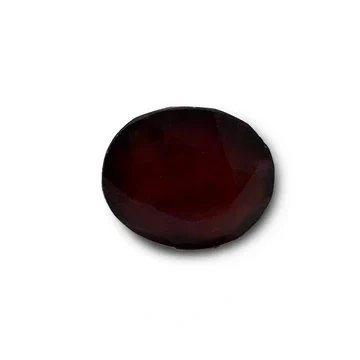
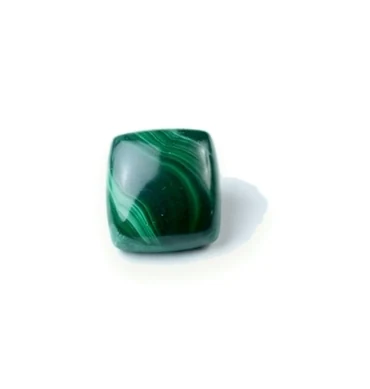
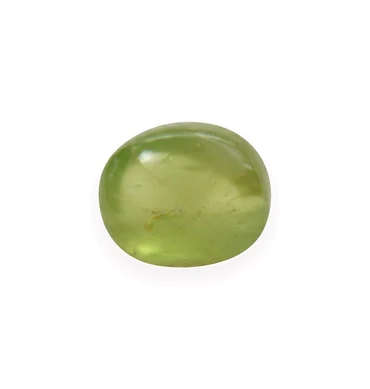
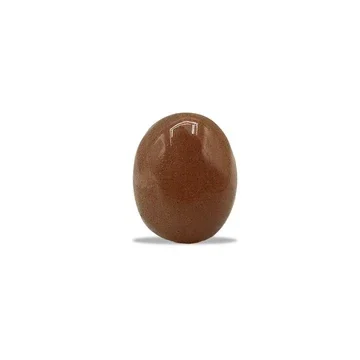
Two pieces from our collection show natural yashab in near-identical sizes: a 10.74 carat jade and a 10.85 carat jade. Each is photographed alone, so you can compare its texture and colour with what you have seen elsewhere. For checks that apply to every stone, read real or fake gemstones, and for how we check our own stock, see our authenticity page.
If you already own a piece
Lots of families here have jade bangles or beads handed down from elders. If you'd like to know what yours is, start with the loupe and torch checks above, looking for bubbles, glitter or dye in cracks. If it passes and it matters to you, a lab test will settle the question. Please don't heat, scratch or soak an heirloom to test it.
Shop the stones: jade.
References