In this article

Written by Sameer
Reviewed on
The quick version: most good blue sapphire on the market today is mined in Sri Lanka (Ceylon) and Madagascar. Myanmar (Burma) adds smaller numbers of top-end stones. Kashmir sapphire exists, but it is so rare that genuine pieces turn up almost only at specialist auctions, each with a laboratory report. Origin can move the price of a stone a long way, yet nobody can see it with the naked eye. It is a laboratory's opinion. If a seller names an origin and has no report to back it, you are hearing a sales line.
We say this up front because "Kashmiri neelam" is probably the most overused label in Pakistan's gem trade. Below we go through how sapphire forms, what the main mines tend to produce, how a lab arrives at an origin, where heating comes in, and how to pick a stone that suits your purpose, be it a ring for daily wear, a stone for astrology or a piece for a collection.
Two kinds of deposit, two kinds of blue
Chemically, blue sapphire is corundum that owes its colour to traces of iron and titanium. It grows in two broad geological settings, and most of the differences you notice across the counter come back to which one a stone came from:
| Metamorphic-type deposits | Basalt-related deposits | |
|---|---|---|
| Where | Kashmir, Myanmar, Sri Lanka, most of Madagascar | Thailand, Cambodia, Australia, Nigeria, parts of East Africa |
| Usual colour | Brighter, cleaner blues, sometimes soft or velvety | Deeper, inky blues, often leaning green or grey |
| Iron | Low | High |
| Where it sits in the market | Generally more expensive | Easier on the budget |
Three things are worth holding on to. Origin is an opinion built on evidence. Only a small number of properly equipped laboratories can give that opinion with real authority. And a lovely stone from an ordinary mine is a better purchase than a dull one carrying a famous name.
The sources, taken one at a time
Sri Lanka (Ceylon)
If you are buying neelam in Pakistan, this is the origin you will meet most. Ceylon stones run from light, bright cornflower shades to strong medium blues. Many are lively and clean to the eye, and larger sizes are easier to find than from most other mines. Ratnapura is the famous gem district. A good share of the fine neelam in this country is Sri Lankan, and most of what sits in our blue sapphire collection comes from Sri Lanka or Madagascar.
Madagascar
Big finds around Ilakaka in the late 1990s turned Madagascar into one of the world's leading sapphire sources. Its best stones stand comfortably beside Sri Lankan and Burmese material, and telling them apart often needs a lab. Because there is a lot of it, Madagascar sapphire is frequently the best value if you want a bright, saturated blue.
Myanmar (Burma)
Burmese sapphire, mostly from around Mogok, is known for a deep, rich "royal" blue that keeps its colour well as the light changes. Fine unheated Burmese stones are among the most expensive sapphires traded, and they normally come with a lab origin report.
Kashmir
Sapphire was discovered in the Padar area of the Zanskar range in the early 1880s, and the mine's best years did not last long. A classic Kashmir stone has a soft, velvety cornflower blue, produced by extremely fine inclusions that scatter the light inside it. Real ones are collector's stones and are sold almost entirely with reports from leading international laboratories. If someone offers you "Kashmir" at an everyday price and has no such report, don't believe it.
Pakistan and Afghanistan
We have blue sapphire at home too, for example around the Kaghan Valley, and more is found across the border in Afghanistan. These stones are usually medium to dark blue, at times a little greyish, and mostly small. A clean, nicely coloured local stone is well liked here, and it should be checked as carefully as a sapphire from anywhere else.
Thailand, Cambodia, Australia and Nigeria
These basalt-type sources give darker, inkier blues that can look greenish in daylight. The stones are tough, reasonably priced and perfectly good in jewellery. They just need to be sold under their own names, not passed off as Ceylon or Burma.
How a lab arrives at an origin
- Inclusions. Each area tends to leave its own fingerprints: fine milky bands in Kashmir stones, long rutile needles in many Sri Lankan ones, short dense silk in Burmese material, and particular crystals and colour zoning elsewhere. Madagascar overlaps with several of these, which is why it can be tricky.
- Trace-element chemistry. Instruments such as LA-ICP-MS and XRF measure iron, gallium, magnesium, titanium and others. Basalt-related stones usually carry a lot of iron; metamorphic stones carry little.
- Spectroscopy. Absorption spectra help confirm what is causing the colour and can show signs that a stone has been heated.
None of this can be done with a loupe over a shop counter. When you read a report, look for a plain statement such as "Origin: Sri Lanka" from a named laboratory, with weight, measurements and a photo that match your stone. Wording like "Ceylon type" or "Kashmir colour" is marketing, not an origin finding.
Heated or unheated
The majority of sapphires sold have been heated to improve colour and clarity. The effect is permanent, and the trade accepts it as long as it is disclosed. We state known treatments on every listing. A stone whose report shows no indication of heating sells for a clear premium, and the gap widens as quality and size go up.
Other treatments are a different story. Beryllium (lattice) diffusion can change colour right through a stone, surface diffusion adds a thin coloured skin, and glass filling hides cracks. All of these must be disclosed and priced to match, and none is suitable for astrological wear. Our gemstone buying guide explains treatments across the main stones.
What origin does to price
At the same quality, a documented top origin (Kashmir first, then Burma, then Sri Lanka) can multiply what a stone is worth, more so when it is unheated and large. Basalt-related sapphires sit at the more affordable end. Still, origin is one factor among several, and colour, clarity, cut and size usually decide how the stone actually looks on your hand.
We don't put price lists in our guides. Every listing in our neelam collection shows the price of that one stone.
Choosing the right neelam for you
| What it's for | What to focus on |
|---|---|
| Astrology | A natural stone, unheated if possible, in the weight your astrologer recommends, with a certificate. Sri Lankan and Madagascan stones are sensible picks. See neelam benefits and how to wear it. |
| Jewellery | The brightest, liveliest, eye-clean stone you can afford. A well-cut heated Ceylon or Madagascar sapphire will usually please you more than a dark stone bought for its name. |
| Collecting | Unheated stones in fine colour with reports from respected labs. Without that paperwork, think of the purchase as one you make for enjoyment. |
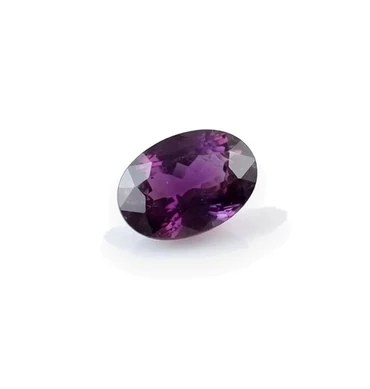
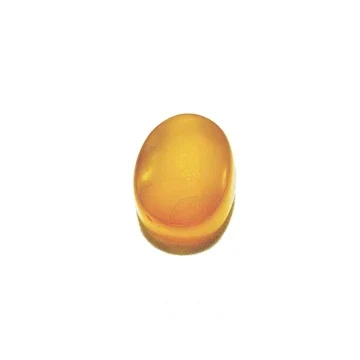
Corundum comes in other colours as well: yellow sapphire (pukhraj), traditionally tied to Jupiter, and purple sapphire. For a violet-blue at a lower price, tanzanite is worth a look, though it is a lot softer than sapphire.
Origin checks before you pay
- Ask whether the origin is the seller's own opinion or a laboratory's.
- If there's a report, match the weight, measurements and photo against the stone in front of you.
- Read what the report says about heating and any other treatment.
- Look at the colour in daylight, not just under shop lights.
- Be suspicious of famous origins at ordinary prices.
Buying neelam from Authentic Gems
Every blue sapphire we list is natural and has been through our own hands first, with known treatments and, where we know it, origin written on the listing. A certificate of authenticity is available on request, and we can arrange independent lab testing. Our authenticity page explains how we check stones. We send orders from Karachi with Cash on Delivery, so you open the parcel in front of the rider and pay only once you've seen the stone. In Karachi it usually arrives in 1 to 2 working days; Lahore, Islamabad and other big cities take around 2 to 4, and the rest of Pakistan a little longer. Unused stones in their original packaging are covered by our 7-day return policy. If you have a question about a particular stone, message us.
References