In this article

Written by Sameer
Reviewed on
Of all the stones we sell, ruby is the one that is hardest to price from a photo. Yaqoot, or manik as many people still call it, can come in two stones of identical weight that belong in completely different price bands. The reasons are things a phone camera rarely captures: whether the red survives indoor light, what sits inside the stone, and most of all what has been done to it. Here we explain how ruby is priced in Pakistan, how a bazaar quote per ratti relates to the carat weight on a lab report, and how to set two sellers' offers side by side without getting confused.
You will not find rupee figures in the text itself. The table below is generated from our own ruby listings and refreshed monthly, so it reflects actual stones. The rest of the article explains why the cheapest and dearest stones are so far apart.
What our ruby listings show
The table gives the lowest, typical and highest price per stone in our ruby category, with the per-carat and per-ratti equivalents worked out. Every figure belongs to a real stone with its own photo and weight.
| Origin | Weights | Stones | Per carat | Per ratti |
|---|---|---|---|---|
| Kashmir | 6.0 – 15.9 ct | 11 | Rs 1,400 – Rs 2,400 | Rs 1,250 – Rs 2,200 |
| Madagascar | 2.3 – 5.1 ct | 8 | Rs 1,650 – Rs 2,900 | Rs 1,500 – Rs 2,600 |
| Mozambique | 1.6 – 8.5 ct | 7 | Rs 11,000 – Rs 56,000 | Rs 10,000 – Rs 51,000 |
| Other / origin not stated | 0.7 – 8.1 ct | 34 | Rs 850 – Rs 22,500 | Rs 750 – Rs 20,500 |
Read the typical figure as the middle of the market for natural rubies that are honestly described. The bottom of the range is mainly small or heavily included stones; the top is larger stones with richer colour and cleaner insides. For all stones together, see our monthly gemstone price guide.
Carat and ratti: doing the sums
Gem labs and international dealers weigh ruby in carats, and a carat is 0.2 grams. Most buyers here, and most astrologers, think in ratti. The standard gemstone ratti in Pakistan is 0.91 carat, so 4.55 carats is exactly 5 ratti and 2.73 carats is 3 ratti.
The trouble is the sunari ratti that jewellers use. It is smaller, about 0.1215 grams, or roughly 0.61 carat. A ruby sold as "6 ratti" on the sunari scale weighs about 3.66 carats, which is only about 4 standard ratti. Whenever a weight is quoted in ratti, ask which ratti. Our carat to ratti converter works it out in either direction.
To turn a per-carat rate into a per-ratti rate (standard ratti), multiply by 0.91. To go back, divide by 0.91. Then multiply by the actual weight of the stone in front of you. Do this before comparing any two offers. It clears up most of the confusion you meet in the bazaar.
Bigger stones cost more per carat
Ruby does not have a flat rate. Clean, well-coloured rough becomes much scarcer as size increases, so the rate per carat climbs with weight. A 3 carat stone usually costs more per carat than a 1 carat stone of the same quality, and a 5 carat stone more again. That is why someone told by an astrologer to wear a minimum weight often finds the price rising faster than the weight does.
What decides a ruby's price
Start with treatment
Treatment is the biggest price question with ruby. Ask about it before you even talk about colour or size.
- Unheated: colour and clarity exactly as the stone came from the ground. Fine unheated ruby carries a real premium, and the claim needs a lab report behind it.
- Heated: the normal, accepted treatment. Heating brightens colour and dissolves some silk. The result is stable and permanent.
- Heated with flux healing: cracks are partly healed with a flux during heating. Labs mention it on the report, and it is valued below plain heating.
- Glass-filled (lead glass): poor, heavily cracked corundum with its fractures filled with glass to make it look clean. These belong in a far lower band, can be damaged by a jeweller's torch or even lemon juice, and should never be priced like heated ruby.
If a seller will not write down the treatment, you do not have enough to judge the price. Our guide to reading a ruby's colour, glow and treatment shows what glass filling looks like under a loupe.
Colour
A strong, clean red with only a hint of purple is worth the most. Rubies drifting towards pink, orange or brown cost less, and so do stones so dark they go blackish away from strong light. When comparing listings, look at the indoor photo as well as the daylight one. A ruby that stays red under a tube light is worth more than one that only shines outside.
Clarity and transparency
Nearly all natural rubies have inclusions, and light silk is expected. What pulls the price down is cloudiness that dulls the stone, open fractures reaching the surface, and dark crystals sitting right in the middle of the face. Translucent and opaque rubies, often cut en cabochon, sell far below transparent faceted stones of the same weight.
Cut and proportions
Because ruby rough is costly, cutters tend to save weight by leaving a deep belly underneath or an uneven outline. A deep stone weighs more than it looks, so you pay for carats you cannot see from the top. A shallow one shows a lifeless "window" in the centre. Compare the face-up size in millimetres, not just the weight.
Origin
Burma (Myanmar) is the traditional benchmark. Mozambique and Madagascar now supply much of the fine ruby on the market, and many of our own stones come from Madagascar. Thai and Cambodian ruby tends to be darker and closer to garnet red. Pakistan has its own marble-hosted ruby from Hunza, with a pinkish-red glow, mostly sold as cabochons and specimens; the Hunza ruby origin page has more. Origin only affects price when a lab report backs it. A spoken "Burmese" with nothing on paper is worth nothing.
Per-ratti quotes in the bazaar
In Karachi's Saddar, Rawalpindi's Raja Bazaar and Peshawar's Namak Mandi, ruby is often quoted as a rate per ratti rather than one price for the stone. The rate is meant to reflect quality, and the seller multiplies it by the weight. Watch for three traps.
- Which ratti is not said. A rate using the smaller sunari ratti looks cheaper than it is, because each "ratti" holds less stone.
- The weight includes metal. If the ruby is already set, the weight quoted may be for the whole ring. Only the loose stone's weight matters.
- The rate belongs to another stone. A shop may show you a fine ruby to fix the rate, then weigh and sell you a lesser one. Make sure rate and weight are for the same stone.
Nothing is wrong with per-ratti pricing once all three points are clear. It just has to end in one price, for one named stone, with the weight written down.
Comparing two ruby offers
When you have two quotes, run both through the same list.
- Convert each to a price per carat, using the standard 0.91 carat ratti unless told otherwise.
- Read the treatment line. Do not compare heated with glass-filled, or an unheated claim without a report against one with a report.
- Compare weights. The bigger stone should cost more per carat, not less. If it does not, ask why.
- Compare colour under similar light. Ask for a short video in ordinary room light.
- Compare face-up size in millimetres. Two 3 carat rubies can look very different.
- Ask what happens if a lab disagrees with the description. A seller who believes in the stone will offer a return.
When one offer is far cheaper than the rest for the same stated quality, the gap is nearly always treatment, a different ratti, or a synthetic. Our post on identifying an original ruby covers the quick checks.
Browsing by budget
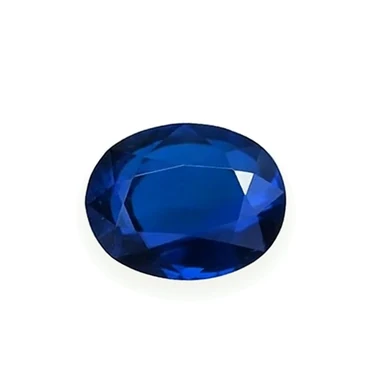
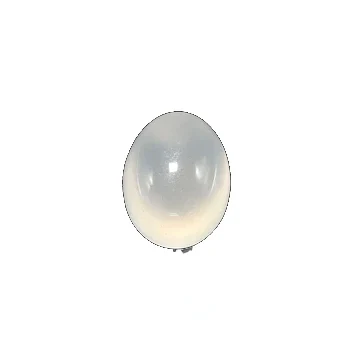
Instead of guessing where your ruby will land, use the price filters in the shop and look at what sits in each band. Comparing photos across bands is the fastest way to see what more money actually buys.
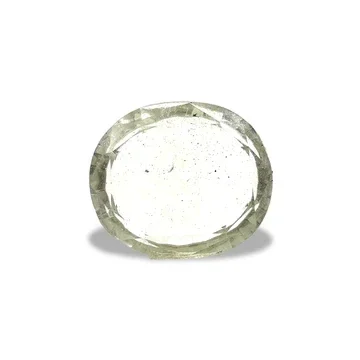
- The lowest price band: handy for seeing what small or lower-grade stones look like across every category.
- The second band
- The third band
- The top band
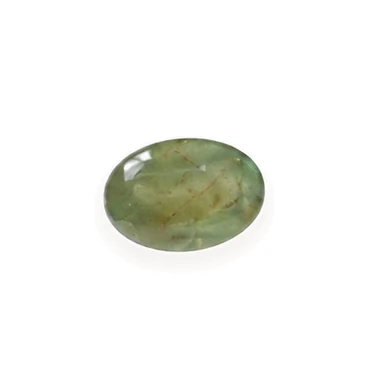
Then open our ruby category and sort by weight. Stones such as this 2.55 carat Madagascar ruby and this 3.40 carat ruby are photographed on their own, so you can weigh up colour and size directly against the price shown.
The ring is extra
A loose ruby price does not include a setting. Silver and gold are charged separately, and gold adds a good deal at today's metal rates. If you are comparing a set ruby ring with a loose stone, ask for stone and setting to be priced separately. Our planned guide to yaqoot ring prices will go into this further.
Buying ruby from Authentic Gems
Each ruby we list is a single natural stone with its own photo, weight and price, and any treatment we know of is stated. You are free to have it tested at an independent lab before you wear it. We confirm your order by phone or WhatsApp and dispatch within 1 working day by insured, tracked courier. In Karachi, whether DHA, Clifton, Gulshan-e-Iqbal or Bahria Town, it usually arrives in 1 to 2 working days; Lahore, Islamabad, Rawalpindi and other major cities take 2 to 4, and smaller towns up to about 7. Pay by Cash on Delivery after opening the parcel in front of the rider, with a flat Rs. 500 delivery charge and 7 days to return an unused stone. If you are wearing ruby for astrological reasons, read about ruby's traditional benefits and how to wear ruby.
See the stones: ruby.
References