Gemstone origins · Gilgit-Baltistan
Hunza Ruby: Yaqoot Grown in Karakoram Marble ہنزہ کا یاقوت
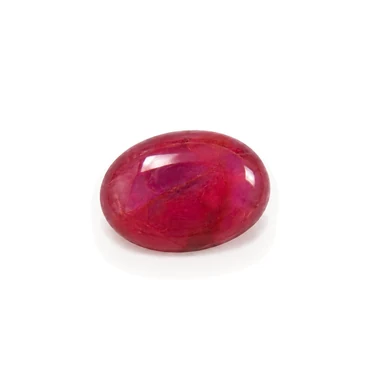
In short: Hunza ruby forms in white marble high on the slopes of the Hunza valley in Gilgit-Baltistan, with workings in central Hunza and neighbouring Nagar. The crystals run from pink-red to purplish red. Cut as a gem, Hunza ruby is mostly translucent rather than transparent, and fine clear stones are rare.
Hunza ruby forms in white marble high up the slopes of the Hunza valley in Gilgit-Baltistan. Pink-red to purplish red crystals sitting in snow-white marble are some of the most loved mineral specimens to come out of Pakistan.
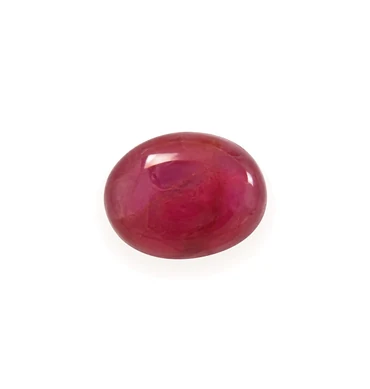
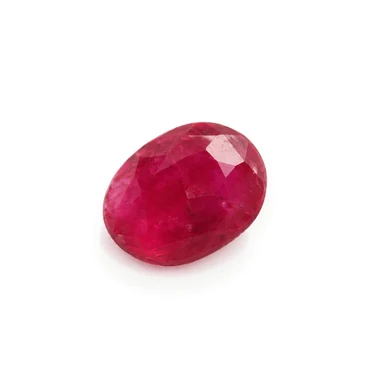
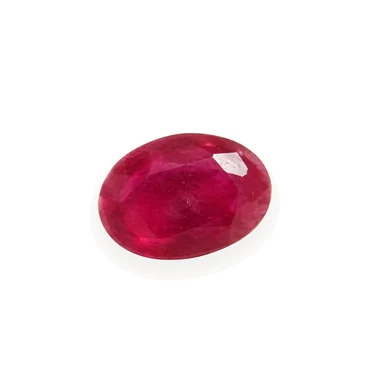
Cut as a gem, Hunza ruby is mostly translucent rather than clear, and fine transparent stones are rare. Below we explain where it comes from, how it looks, how it compares with other rubies and how to buy it sensibly.
- Region
- Hunza and Nagar, Gilgit-Baltistan
- Stone
- Ruby (Yaqoot)
- Host rock
- Marble
- Known for
- Pink-red to purplish red crystals in white marble
- Typical material
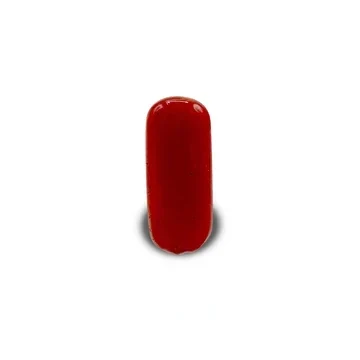
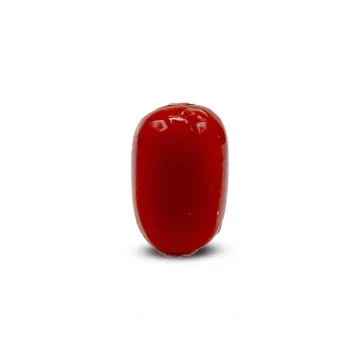
- Translucent; specimens and cabochons
- Found with
- Spinel, mica, pargasite
- Mining
- Small-scale, seasonal

Written by Sameer
Reviewed on
Where it is found
The Hunza valley runs north from Gilgit along the Karakoram Highway towards the Khunjerab Pass. The ruby workings sit on the valley walls around central Hunza and neighbouring Nagar, often far above the river and reached on steep footpaths. Many are small tunnels or open cuts following a band of marble across the mountainside.
Rough and specimens change hands locally in places like Aliabad and Karimabad, in Gilgit, and further south in Peshawar.
The geology, simply
Ruby is red corundum: aluminium oxide coloured by chromium. It only forms where there is a lot of aluminium and very little silica, because silica grabs the aluminium first and makes other minerals.
In Hunza, old limestone and muddy sediments were buried deep and baked during the collision that pushed up the Karakoram, and they became marble. Inside that marble, pockets of aluminium-rich, silica-poor material crystallised as ruby, with chromium providing the red. It is the same broad kind of deposit as the classic marble-hosted rubies elsewhere in Asia, which is why Hunza crystals often look alike in shape and setting.
The same marble carries spinel, along with micas, pargasite and other minerals collectors love. Now and then blue to purple sapphire turns up too.
A little history
People in Hunza knew about the ruby for generations. Wider attention came after the Karakoram Highway made the valley far easier to reach in the later twentieth century. Since then Hunza has been a steady source of ruby specimens and cabochon material. Mining has always been small-scale and mostly seasonal, slowing right down in the cold months.
The valley's name has become a familiar one in the mineral specimen world. Good ruby crystals still sitting in white marble are prized by collectors, and a fine specimen can be worth more kept whole than cut up into cabochons.
We don't quote production figures. Small workings like these aren't reliably recorded, and the estimates you'll hear should be taken with a pinch of salt.
What Hunza ruby looks like
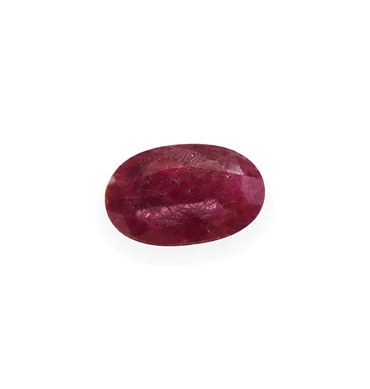
- Colour: pink-red to purplish red, sometimes a strong raspberry. A pure, deep red is less common.
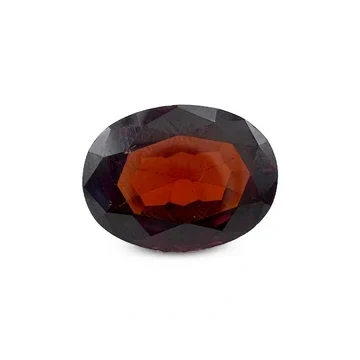
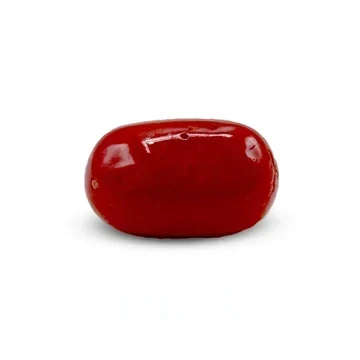
- Transparency: mostly translucent to nearly opaque. Fine transparent material for faceting is rare.
- Crystal shape: flat six-sided barrels and tablets, often embedded in white marble with mica.
- Glow: rubies from marble tend to be low in iron, so many fluoresce a lively red in sunlight, which lifts their colour.
- Inclusions: fractures, cloudy patches and fine needles are all common.
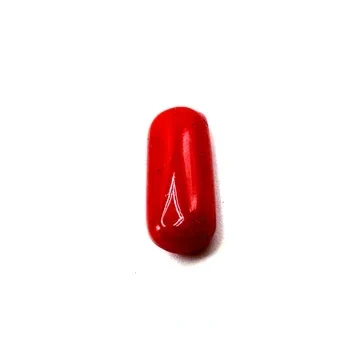
For these reasons a lot of Hunza ruby is cut as cabochons or beads, and the very best pieces are often left as crystals in matrix instead of being cut.
Hunza next to other ruby sources
| Source | Typical look | Typical material |
|---|---|---|
| Hunza, Pakistan | Pink-red to purplish red, strong glow | Mostly translucent; specimens and cabochons |
| Neelum valley, Azad Kashmir | Pink to red | Usually included; marble-hosted like Hunza |
| Myanmar (Burma) | Classic deep red with strong glow | Marble-hosted; fine stones very costly |
| Mozambique | Strong, clean red, sometimes slightly darker | Larger clean stones, often heated |
| Madagascar | Wide range of red and pink-red tones | Faceted and cabochon grades |
These are only general patterns. Nobody can tell origin by eye, and a pink-red ruby could have come from any number of places. Our ruby guide says more about colour and treatment.
How origin is, and isn't, established
A seller's say-so, the colour of the stone or the fact you bought it in Gilgit don't prove it came from Hunza. Ruby and spinel pass through the same bazaars as material from Afghanistan and further away.
A gem lab can sometimes give an origin opinion on ruby, using inclusions and trace elements. That opinion earns its fee mainly on better, transparent stones, where the report costs little compared with the stone. For a Hunza cabochon, a report confirming natural ruby and describing any treatment is usually the sensible choice.
A crystal still sitting in white marble is stronger evidence of a marble-hosted source than a loose cut stone, but even that doesn't prove which valley it came from.
Treatment, filling and look-alikes
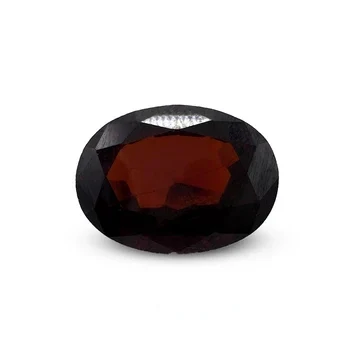
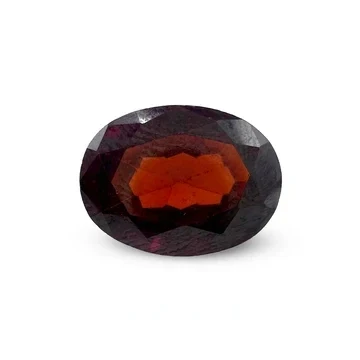
The first question to ask is whether a ruby has been heated or glass-filled. Glass-filled ruby is heavily treated material that can look appealing at a low price but needs careful handling, and it must always be disclosed. Spinel and garnet are also sometimes mistaken for ruby, and Hunza spinel is a fine gem in its own right. Read how to identify an original ruby and reading a ruby.
Practical advice for buying Hunza ruby
- Know what you're buying. A specimen in marble, a cabochon for a ring and a faceted stone are three different purchases at three different prices.
- Look at it in daylight. Hunza ruby's glow is strongest in natural light. Tube lights can make it look flat or purplish.
- Accept a milky look, not cracks. Translucency is normal for Hunza material. Deep fractures that reach the surface are a durability risk.
- Ask which ratti. The standard gem ratti is 0.91 carat and the jeweller's ratti is about 0.61 carat. Use the carat to ratti converter when comparing quotes.
- Get the treatment in writing. Above all for any stone sold as unheated.
Hunza spinel and the other marble minerals
The same marble that holds Hunza ruby also gives spinel in red, pink, purple and occasionally blue. For centuries spinel was sold as ruby in markets everywhere, and some of history's famous "rubies" turned out to be spinel. Today it is valued on its own merits: hard, usually untreated and often very bright. If a Hunza "ruby" looks unusually clean for its price, ask whether it could be spinel, and get it tested if the amount is significant.
Other minerals from the same rock, like green pargasite and golden mica, mostly interest collectors and appear on specimens beside the ruby crystals.
Looking after ruby
Untreated and heated ruby are among the toughest gems there are, so a solid Hunza cabochon holds up well in a ring. Clean it with warm soapy water and a soft brush. Glass-filled ruby is another story: keep it away from heat, jewellers' repair torches, acids and ultrasonic cleaners, which can damage the filling. Translucent stones with fractures reaching the surface also deserve a protective setting. See how to care for gemstones.
Ruby prices
Ruby is priced on colour, transparency, size and treatment, and then on origin where that can be backed up. Translucent Hunza material is usually much more affordable than transparent faceted ruby. The table below comes from our own ruby listings and is updated monthly.
| Origin | Weights | Stones | Per carat | Per ratti |
|---|---|---|---|---|
| Kashmir | 6.0 – 15.9 ct | 11 | Rs 1,400 – Rs 2,400 | Rs 1,250 – Rs 2,200 |
| Madagascar | 2.3 – 5.1 ct | 8 | Rs 1,650 – Rs 2,900 | Rs 1,500 – Rs 2,600 |
| Mozambique | 1.6 – 8.5 ct | 7 | Rs 11,000 – Rs 56,000 | Rs 10,000 – Rs 51,000 |
| Other / origin not stated | 0.7 – 8.1 ct | 34 | Rs 850 – Rs 22,500 | Rs 750 – Rs 20,500 |
Ruby at Authentic Gems
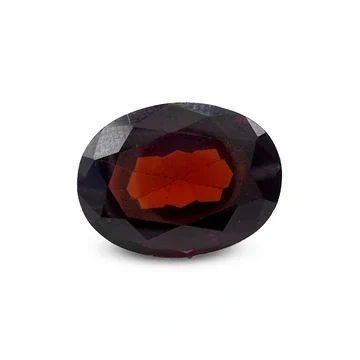
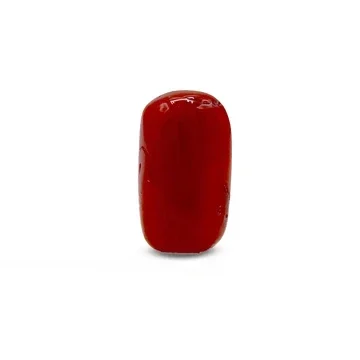
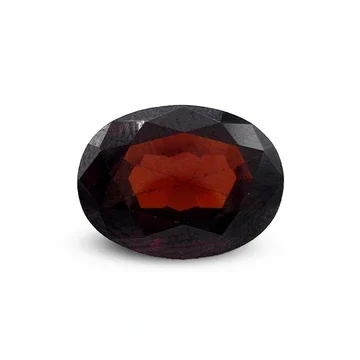
The rubies we currently list aren't sold as Hunza ruby. Examples include this 2.55 carat Madagascar ruby and this 3.40 carat natural ruby. If it's Pakistani ruby you want, message us on WhatsApp and we'll tell you honestly what we can find. Browse all our rubies and spinel, or read about lab-certified ruby.
References
Related
- Pakistan's Gemstone Mines: Where Each Stone Comes From
- Gilgit-Baltistan Gemstones: What the Northern Mountains Give Us
- Gemstone Origins: Where Our Favourite Stones Are Mined
- Yaqoot (Ruby): How to Judge Colour, Clarity, Origin and Treatment
- Is Your Yaqoot Real? Five Checks for an Original Ruby
- Ruby (Yaqoot) With a Lab Report
- July Birthstone: Ruby, the Yaqoot