In this article

Written by Sameer
Reviewed on
When someone at the counter asks us whether to set their stone in silver or gold, we ask three things back: what colour is the stone, how hard will the ring be worn, and is there a tradition you want to follow? Silver makes cool colours like neelam and white stones look clean. Yellow gold warms up pukhraj and yaqoot. Gold holds a stone more firmly over the years. Silver costs much less but needs polishing.
The quick version
Neither metal is correct for every stone. A blue sapphire looks sharp in silver and rich in gold, and both are fine choices. What tips the decision is how the colours sit together, how long the setting needs to last, how much you want to spend and, for a lot of our customers, family or religious custom. We go through each of these below so you can make the call for your own stone. When you have decided, we can arrange the setting for you over WhatsApp.
Silver: what you get
Nearly every silver ring you will find in Pakistan is sterling silver, stamped 925. That means 92.5 percent silver with copper added to make it strong enough. Pure silver on its own is too soft to keep a stone in place.
- Colour: a bright, cool white. Blue, white, green and purple stones look fresher against it.
- Cost: a fraction of gold for the same weight, which leaves more of your budget for the stone.
- Size: because the metal is cheaper, a heavy, chunky ring is within reach. That suits the large men's stones people wear here, aqeeq and feroza especially.
- The downside: silver tarnishes. Sulphur in the air, in rubber, in certain foods and in sweat slowly turns it dark. It is also softer than gold alloys, so thin claws and bezels wear down if the ring is worn every day for years.
Gold: what you get
Gold is measured in karats. Most jewellery made in Pakistan is 21 or 22 karat, which has a lovely deep colour but is soft. For a ring that has to hold a gemstone, many jewellers would rather work in 18 karat, because the extra alloy makes the metal grip the stone harder.
- Colour: yellow gold is warm and makes red, orange, yellow and golden stones look deeper. White gold is gold mixed with other metals and normally plated white, so you get a silver look that does not tarnish.
- Strength: gold never tarnishes, and 18 karat claws keep their shape for a long time.
- Value: the metal is worth something in itself, which matters in families where jewellery doubles as savings.
- The downside: price, and the fact that very high karat gold bends. A knock can open a claw and leave the stone loose.
Matching stones to metals
This table is how a jeweller would usually pair stones by colour. Use it as a guide, not a rule. If you prefer the other column, go with your eye.
| Stone | Silver | Yellow gold |
|---|---|---|
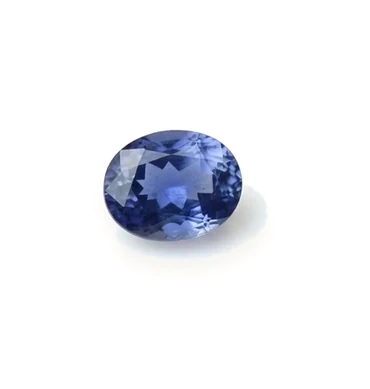
| Blue sapphire (neelam) | Sharp and cool, a very common choice | Rich, more formal |
| Yellow sapphire (pukhraj) | Can look washed out | Warm and glowing, the classic match |
| Ruby (yaqoot) | Bright and modern | Deep, a bridal look |
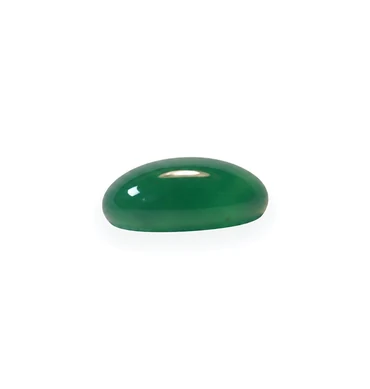
| Emerald (zamurd) | Fresh, clean green | Classic, regal |
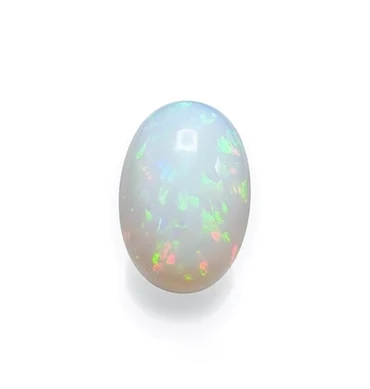
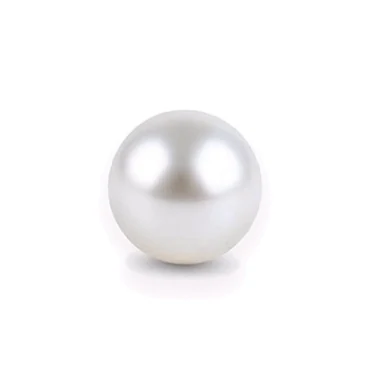
| Pearl (moti) | Soft and clean | Warm, traditional |
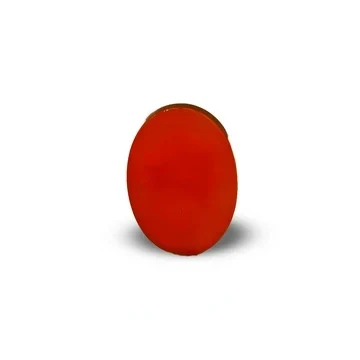
| Red coral (marjan) | Strong contrast | Warm, traditional |
| Aqeeq and feroza | What most people here choose | Seen less often |
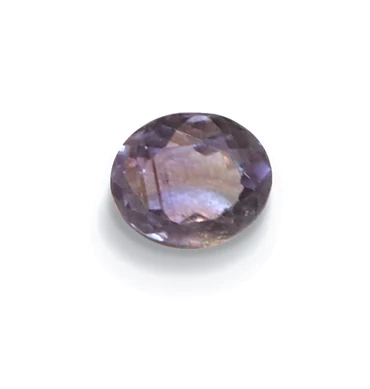
| Amethyst (jamunia) | Cool, brings out the purple | Warm, an older look |
| Citrine (sunehla) and topaz | Bright contrast | Golden on golden |
A simple way to remember it: cool colours (blue, white, purple, green) sit nicely in silver or white gold, and warm colours (red, orange, yellow, brown) wake up in yellow gold. Colourless stones such as white topaz and dur-e-najaf look their whitest in silver.
White gold, rose gold and two-tone
Most rings we see are either yellow gold or sterling silver, but there are three other options you should know about.
- White gold has the cool look of silver and the strength of gold. The white plating thins out over the years, and any jeweller can re-plate it.
- Rose gold has extra copper, which turns it pinkish. It suits pink and peach stones like kunzite and morganite, and also looks good with pale amethyst and moonstone.
- Two-tone rings combine a gold band with a white metal head, or the other way round. Put a white head behind a blue sapphire and the blue stays clean, while the gold band still matches the rest of your jewellery.
Think about the person wearing it
Look past the stone for a moment and think about what the wearer already has on. If her bangles, watch and wedding set are all gold, a gold ring will sit better with everything. A man with a steel watch and a silver aqeeq ring will probably want silver again. Skin tone counts for less than people assume, though warmer, wheatish skin often looks good with yellow gold and many people with cooler undertones lean towards silver. If you cannot decide, hold a gold piece and a silver piece against your hand in daylight. One of them will look more natural.
Then think about how the ring will be used. A ring worn all day through cooking, driving and wudu gets washed and bumped far more than one kept for weddings. For hard daily use, a solid 18 karat setting or a thick silver bezel will outlast a fine claw setting.
Traditional rules about metal
Plenty of our customers pick the metal because of custom rather than looks. These are traditions, not promises, and every family does things a little differently.
Vedic astrology
In jyotish, each planetary stone has a metal that traditionally goes with it. The pairings you hear most often are:
- Pukhraj (Jupiter): gold.
- Yaqoot (Sun): gold or copper.
- Marjan (Mars): gold or copper. See our red coral.
- Neelam (Saturn): silver or panchdhatu, an alloy of five metals.
- Moti (Moon): silver. See our pearl.
- Zamurd (Mercury): usually gold, sometimes silver.
- Gomed and lehsunia (Rahu and Ketu): often silver or panchdhatu. See hessonite and cat's eye.
Astrologers also tend to ask for an open back so the stone touches the skin, and they will usually name a finger and a day to start wearing it. Not every astrologer agrees on these details, so follow whoever you consult. Our planets and gemstones page explains the nine-planet system properly.
Muslim practice
Most Muslim men in Pakistan wear their stone rings in silver, following the common teaching that gold jewellery is meant for women. So stones with an Islamic tradition behind them, like aqeeq, feroza and dur-e-najaf, are almost always set in silver when a man is wearing them. If you want a ruling for your own situation, ask a scholar you trust. Our Islamic gemstones page covers the traditions around these stones.
Setting styles, and which stones need which
How the stone is held matters just as much as the metal it is held in.
- Bezel: a band of metal runs right round the edge of the stone. It protects soft or brittle stones such as opal, pearl, turquoise, coral and emerald, and it is the natural choice for cabochons. In silver it is also the more secure option.
- Prong or claw: four or six claws hold the stone and let more light in from the sides, which helps faceted stones like sapphire, ruby and topaz sparkle. In silver, make sure the claws are thick enough that they will not bend.
- Half-bezel and tension settings: modern styles, fine for hard stones only.
- Open or closed back: an open back lets light pass through and lets the stone sit against your skin. A closed back protects the underside of a soft stone and hides a shallow cut.
Hard stones (sapphire and ruby at 9 on the Mohs scale, topaz at 8) are safe in nearly any style. Anything under 7, opal and feroza for example, is better off in a bezel.
Looking after the metal
Silver
- Rub off tarnish with a soft polishing cloth. If it has gone quite dark, use mild soap, lukewarm water and a soft toothbrush.
- Keep the ring in a small zip bag to slow tarnishing, and away from rubber bands and newspaper.
- Do not use silver dip on porous or soft stones like feroza, pearl, coral or opal, because the liquid can ruin them.
- Take the ring off before using bleach or hair dye, and before swimming in a chlorinated pool.
Gold
- Wash with mild soap and lukewarm water, then dry with a lint-free cloth.
- Check the claws every few months. If the stone rattles or the ring snags on your clothes, take it to a jeweller before the stone drops out.
- Take rings off for heavy work. 21 and 22 karat bands scratch and dent easily.
For stone-by-stone advice, see our gemstone care guide.
Having your stone set
We are still putting our ring collection together, but we can already arrange settings through WhatsApp. Send us the stone you have picked, the metal you want, the style you like and your ring size, and we will tell you honestly what can be done. Not sure of your size? Read how to measure ring size at home or use our ring size guide.
Every stone we sell is natural, never synthetic or lab-grown, and we tell you about any treatment we know of. We are in Karachi, where parcels usually arrive in 1 to 2 working days, and we send Cash on Delivery to Lahore, Islamabad and every other city in Pakistan. Open the parcel in front of the rider, check the stone, then pay.
Browse the stones: sapphire · yellow sapphire · ruby · emerald · red coral · pearl · aqeeq · feroza.
The beliefs described here are traditions, shared for interest. They are not promised outcomes, religious rulings or medical advice.
References