In this article

Written by Sameer
Reviewed on
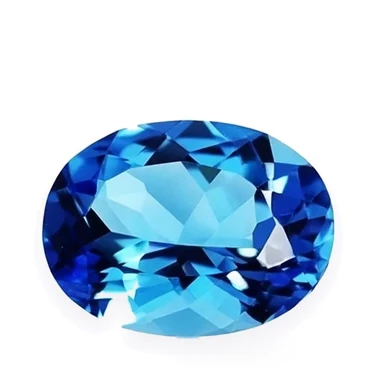
When a customer asks us for a woman's Neelam ring, we start with one question: what is it for? After that, colour comes first. A clear medium blue suits most hands and stays lively indoors. Then pick a moderate size, an oval or cushion shape, a stone that looks clean to the eye, and a treatment that has been disclosed. Keep our natural blue sapphires open as you read.
Begin with the reason
Most Neelam rings for women are bought for one of three reasons. An astrologer has advised it; it is a gift for an engagement, wedding or anniversary; or the wearer simply loves blue. Each reason pulls the choices in a different direction. An astrologer may set the weight and the metal. A gift ring needs a shape that flatters the hand. A fashion ring leaves you the most freedom. Settle the reason first and everything after it gets simpler.
What tradition says about Neelam
In Vedic astrology Neelam, blue sapphire, is the gem of Shani (Saturn). It has a reputation as the quickest-acting and most demanding of the nine planetary gems. It is traditionally tied to Capricorn and Aquarius, the signs Saturn rules, and is sometimes suggested for Taurus and Libra ascendants. Our Capricorn and Aquarius pages go further.
Because of that reputation, many families test it first. The stone is kept under the pillow, or worn for a few days, before it is set permanently, and it comes off if the wearer feels uneasy. The usual customs are the middle finger, silver or another white metal, and first wearing on a Saturday. These are traditions, not guarantees, and astrologers do not all agree. If you are buying on astrological advice, follow your own astrologer. Our post on Neelam's traditional benefits goes into the beliefs in more depth.
On Western birthstone lists sapphire belongs to September. If that is your link to the stone, see our September birthstone page.
Getting the colour right
With sapphire, colour outweighs everything else. Look at the stone in daylight and again under indoor light, because Neelam can shift a little between the two.
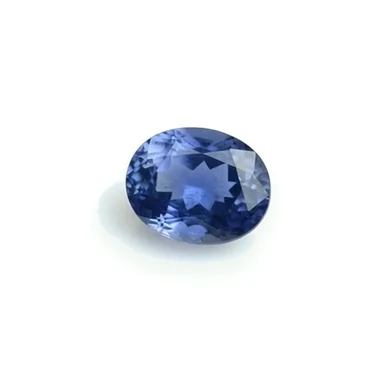
- Cornflower or medium blue. Bright, clear and mid-toned, and it stays lively indoors. This is the colour most women choose, and it suits most skin tones.
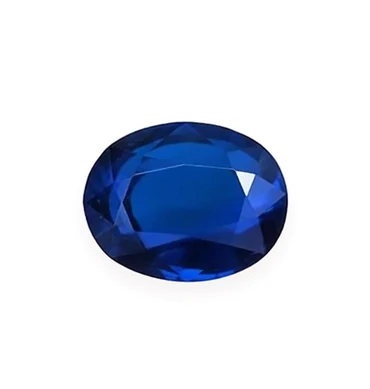
- Royal blue. Deeper and velvety. Gorgeous in daylight, but it can close up in a dim room, so check it indoors before you decide.
- Light or pastel blue. Softer and more relaxed, good for everyday wear and kinder on the budget.
- Inky or very dark blue. Can look nearly black in the evening. Many women find it too heavy on a slender hand.
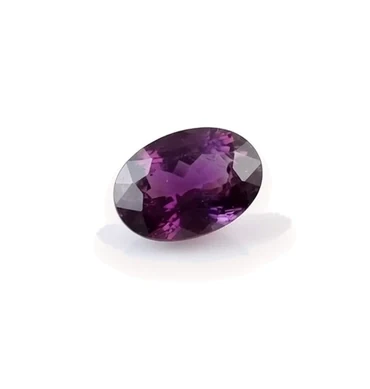
If you want a clean blue, avoid stones with a grey or green undertone. If you lean towards violet, look at our purple sapphire, which is the same mineral.
Size for a woman's hand
Bigger is not automatically better. On a slim finger a moderate stone usually looks more graceful, and it sits more comfortably under a dupatta or a sleeve. Before you decide, hold the stone, or a paper cut-out the same size, against your finger. If your astrologer has named a minimum weight, choose a well-cut stone at that weight rather than a larger one that is badly cut.
Sapphire is dense, so it looks smaller for its weight than lighter stones such as aquamarine or topaz. Ask us for the measurements in millimetres as well as the carat weight.
Shape
- Oval is the most common sapphire shape. It makes the finger look longer and suits nearly every hand.
- Cushion has softened corners and a romantic feel, lovely as a solitaire.
- Round is classic and sparkles well, though round sapphires turn up less often.
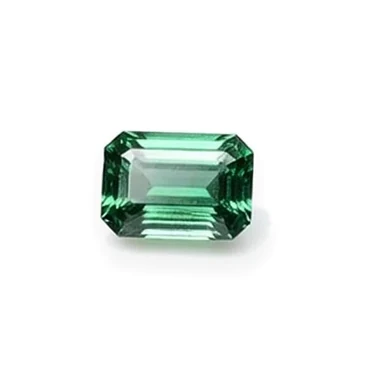
- Pear and emerald cuts make elegant statement rings or gifts.
Whatever the shape, you want even, lively colour across the face and no large dull window in the centre. A shallow cut lets light leak out; a deep one makes the stone look dark.
Clarity and treatment
Most natural sapphires contain something: fine silk, small crystals or zones of colour. A stone that looks clean at normal viewing distance is perfectly good for a ring. What you should avoid is a large crack running to the surface, because it weakens the stone.
Heating is an old, permanent treatment that improves sapphire's colour and clarity, and a large share of sapphires on the market are heated. Unheated stones of the same quality are scarcer and cost more, and some astrologers prefer them, so ask yours. Lower-grade treatments such as lead-glass filling or diffusion must always be disclosed, and we state known treatments on every listing. Our first-timer's Neelam buying guide covers clarity and treatment in more detail.
Origin
Blue sapphire is mined in Sri Lanka, Myanmar, Thailand, Madagascar, Australia and East Africa, and the famous Kashmir sapphires came from the Himalaya. In Pakistan, Sri Lankan (Ceylon) sapphire is the most common pick for women's rings because of its bright, medium tone. Origin affects reputation and price, but judge the stone in front of you first. Our guide to where Neelam comes from explains the differences.
What sets the price
We do not publish price lists; each stone is priced individually. Colour comes first, then clarity, cut, size, treatment and origin. A medium-blue, eye-clean, well-cut, unheated stone of good size sits at the top. A lighter, included, heated stone sits much lower and can still look beautiful in a ring. To shop by budget, use our shop filters:
The setting
At 9 on the Mohs scale sapphire is very hard and fine for daily wear. How safe it is depends on the setting.
- Metal. Silver is traditional for astrological Neelam, and white metals make the blue look cleaner. If you prefer gold, note that yellow gold warms the colour slightly.
- Prongs or bezel. Four or six prongs show more of the stone. A bezel, where metal wraps around the edge, protects it better for women who cook, garden or work with their hands.
- Open or closed back. Tradition often asks for an open back so the stone touches the skin. It also lets light in and makes cleaning easier.
- Ring size. Measure the finger in the evening, when it is slightly larger. Our ring size guide shows how.
Once you have chosen a stone, message us on WhatsApp and we can arrange a silver ring setting.
Softer blue alternatives
If Neelam's astrological reputation gives you pause, or you just want a different blue, women often go for blue topaz, tanzanite or aquamarine (beruj). None of them replaces Neelam in Vedic astrology, but each makes a beautiful blue ring. Our full sapphire collection shows every stone photographed on its own.
Looking after a Neelam ring
Wash it in warm soapy water with a soft toothbrush, and pay attention to the back, where soap and lotion collect and dull the colour. Take the ring off for heavy work, and store it away from softer stones, which sapphire will scratch. If it starts catching on fabric, have the prongs checked.
Buying Neelam from Authentic Gems
Every stone we sell is natural, photographed on its own and listed with its weight and any known treatment. Orders are confirmed by phone or WhatsApp and dispatched within one working day by insured, tracked courier. Karachi deliveries usually arrive in 1 to 2 working days; Lahore, Islamabad, Rawalpindi and other major cities in 2 to 4; smaller towns in up to about 7. Delivery is a flat Rs. 500 per order; see our delivery details. With Cash on Delivery you open the parcel and check the stone before paying the rider, and our 7-day returns cover unused stones if you change your mind. Read how we check every gemstone for the details.
Tell us on WhatsApp what the ring is for and, if you have it, your astrologer's advice on weight. We will shortlist a few stones and send you daylight photos.
Shop the stones: sapphire · purple sapphire · blue topaz · tanzanite.
The beliefs described here are traditions, shared for interest. They are not guaranteed outcomes, religious rulings or medical advice.
References