In this article
- What "chalcedony" means on a price list
- Our current chalcedony prices
- What decides a chalcedony's price
- How per-ratti pricing works
- Comparing two quotes, step by step
- Budget levels
- How you will wear it changes what to spend
- Ring price versus stone price
- Is a cheap chalcedony a bargain?
- Buying chalcedony from Authentic Gems
- خلاصہ

Written by Sameer
Reviewed on
Chalcedony is one of the cheaper natural stones on the market, and that is exactly what makes its price easy to get wrong. When a stone costs little, a small difference in quality can double or halve what it is worth, and a dyed piece can quietly be sold at the price of a natural one.
On this page you will find current prices from our own listings, what lifts one chalcedony above another, and how per-carat and per-ratti pricing works in Pakistani bazaars. If you would rather learn to judge quality by eye first, read our companion piece on judging chalcedony's glow and lustre.
What "chalcedony" means on a price list
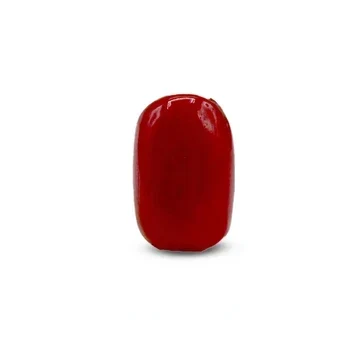
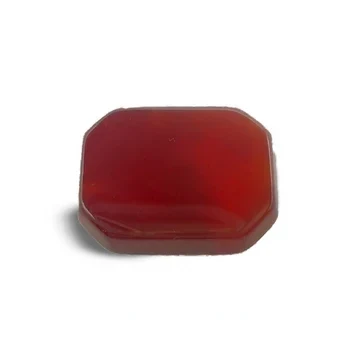
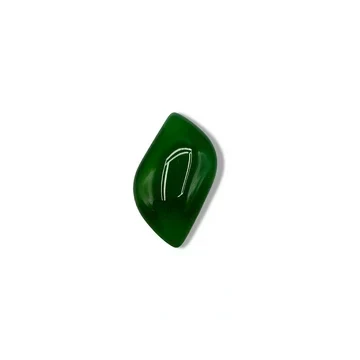
Chalcedony is microcrystalline quartz. Strictly speaking the name covers a whole family: agate, carnelian (the classic red aqeeq), onyx, bloodstone and chrysoprase all belong to it. On a price list, though, "chalcedony" by itself normally means the plain, unbanded stones in soft lavender blue, milky white, grey and sea green.
That distinction matters for price. A banded sulemani agate, a Yemeni aqeeq and a lavender chalcedony are all chalcedony, yet each is priced on completely different grounds. When you compare quotes, make sure both sellers are talking about the same thing. For the banded and red stones, see our guides to sulemani agate prices and aqeeq prices.
Our current chalcedony prices
The table below comes from our own chalcedony listings and is refreshed every month. It shows the lowest, typical and highest price per stone, along with the same figures per carat and per ratti.
| Weight | Weights | Stones | Per carat | Per ratti |
|---|---|---|---|---|
| All Chalcedony in stock | 15.5 – 15.5 ct | 1 | Rs 150 – Rs 150 | Rs 140 – Rs 140 |
When we only have a few chalcedony stones in stock, the table rests on a small number of pieces. Treat it as a reference point, and use the rest of this guide to decide whether another stone, or another seller's quote, is fair. Our site-wide gemstone price guide lets you compare chalcedony with other stones.
What decides a chalcedony's price
Translucency
This matters more than anything else. Good chalcedony glows when light enters it, almost as if it had a lamp inside. Opaque, chalky stones that look dead sit at the bottom of the range. Hold the stone up to a window: the more evenly light comes through, the more it is worth.
Colour, and whether it is natural
A soft, even lavender blue is the most wanted colour in plain chalcedony. Clean white and a gentle sea green come next. Grey and brownish stones cost less.
The bigger question is dye. Chalcedony is porous enough to soak up dye easily, and the strongly coloured blue, pink, green or purple stones you see around are very often dyed. Dyeing is stable and has been done for a long time, but a dyed stone should be noticeably cheaper than a natural one that looks similar. Colour brighter than nature makes, or colour that collects in cracks, is the usual giveaway.
Evenness
People buy plain chalcedony for its calm, uniform colour. Patches, brown stains or cloudy streaks across the face bring the price down. Strong banding moves a stone into agate territory, where different rules apply.
Size and thickness
A bigger stone costs more in total, but with chalcedony the per-carat price climbs only slowly with size, because large rough is not rare. Thickness matters more than most people expect. A thick, well-domed cabochon shows off the glow far better than a thin slice, so it earns a higher per-carat price even at the same weight.
Cut and finish
Most chalcedony is cut as a smooth cabochon. A symmetrical dome, a neat outline and a glassy polish all add value. Faceted and carved pieces take more work and cost more than a plain cabochon of the same material. Pits, scratches and a hazy polish should pull the price down.
Origin
Chalcedony comes from many countries, including India, Brazil, Turkey, Indonesia and parts of Africa. Some places are known for certain colours, such as lavender from Turkey or blue from southern Africa, and sellers may mention that. Chalcedony is rarely tested for origin, though, so take any origin claim as a description, not as a reason to pay more.
How per-ratti pricing works
In many Pakistani bazaars, stones are priced per ratti rather than per piece. The dealer gives a rate for one ratti, and the stone's price is that rate multiplied by its weight in ratti.
Two things catch buyers out:
- Which ratti. The standard gemstone ratti in Pakistan is 0.91 carat (about 0.182 grams). The sunar's ratti used by jewellers is smaller, about 0.1215 grams, or roughly 0.61 carat. On the sunari scale the same stone weighs about half as many ratti again, so a rate on one scale cannot be compared with a rate on the other. Always ask which ratti the dealer means.
- Converting weights. Online listings, ours included, give weight in carats. One carat is 0.2 grams. Our carat to ratti converter turns carats into gemstone ratti so you can set an online price beside a bazaar quote.
For an inexpensive stone like chalcedony, many dealers just quote a price per piece. That is fine, as long as you know the weight and can work out the per-carat figure yourself.
Comparing two quotes, step by step
- Check the material. Plain chalcedony, agate, or something else? Ask the seller to write "natural chalcedony" on the bill.
- Check the colour. Natural or dyed? Dyed should be cheaper.
- Convert both prices to per carat. Divide each price by the weight in carats. If a quote is per ratti, find out which ratti first, then convert.
- Compare like with like. A thick, translucent cabochon and a thin, cloudy one of the same weight are not the same thing.
- See what is included. A price for a set ring includes the silver or gold and the making charge. Ask for the stone's price on its own.
- Look at returns. A slightly higher price with a return window and a written description is often better value than a cheap stone you cannot send back.
Budget levels
Chalcedony is generally easy on the pocket. Use our budget filters to see what else sits at your level:
- Under 5,000 rupees: a good starting point for everyday chalcedony and other agate-family stones.
- 5,000 to 20,000 rupees: bigger or more translucent stones, and a wider choice of other semi-precious stones.
- 20,000 to 50,000 rupees and over 50,000 rupees: mostly precious stones like sapphire, ruby and emerald, handy if you are weighing chalcedony against something costlier.
Our article on natural gemstones under 5,000 rupees lists more good-value stones.
How you will wear it changes what to spend
Picture the finished piece before you settle on a stone, because the best value depends on where it will sit.
- A ring. A moderate cabochon with a good dome and a clean edge is all you need. Very large stones look heavy on the hand and use more silver. At 6.5 to 7 on the Mohs scale, chalcedony copes well with daily wear.
- A pendant. Translucency shows best when light can reach the stone from behind, so an open-backed pendant is a good place to spend a little extra on a glowing stone.
- Beads and tasbih. Beads are priced by the strand, not the carat. What you pay for is matching colour and translucency across the whole strand. Our tasbih page compares bead stones.
Ring price versus stone price
A set chalcedony ring carries three costs: the stone, the metal and the jeweller's making charge. With a stone this affordable, the silver or gold can easily cost more than the stone. When a shop gives you one figure for a ring, ask for the three parts separately. Often a better stone adds very little to the total while a heavier mount adds a lot. Our guide to silver versus gold settings helps with the metal choice.
Is a cheap chalcedony a bargain?
It can be. The material is plentiful, so honest chalcedony can be very affordable. The real risk is not overpaying for genuine chalcedony; it is paying chalcedony money for glass, or for a dyed stone sold as natural. Glass shows round bubbles under a loupe and has a hard, glassy shine instead of chalcedony's softer, waxy lustre. A stone that looks flawless, glows electric blue and costs next to nothing deserves a closer look. Every stone we sell is natural, and known treatments are stated on the listing.
Buying chalcedony from Authentic Gems
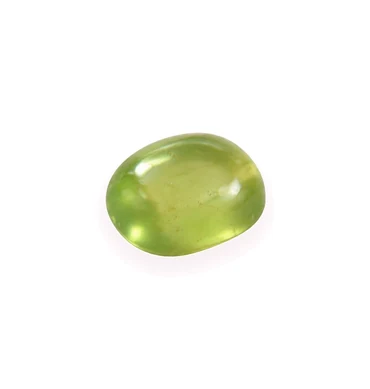
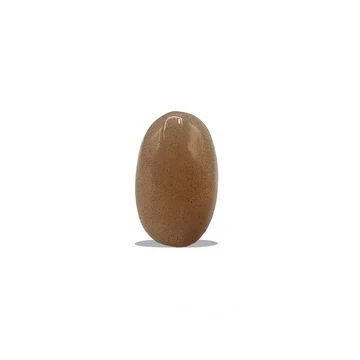
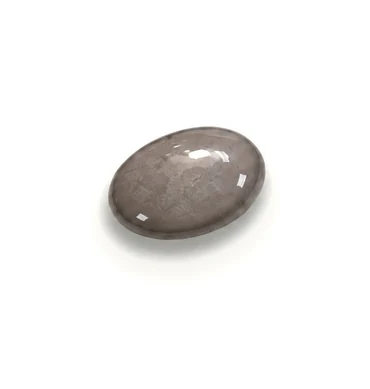
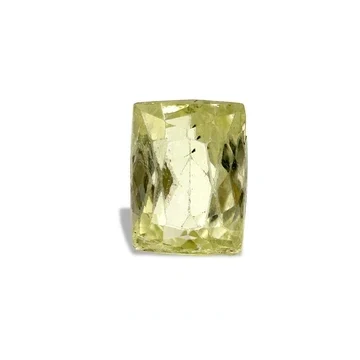
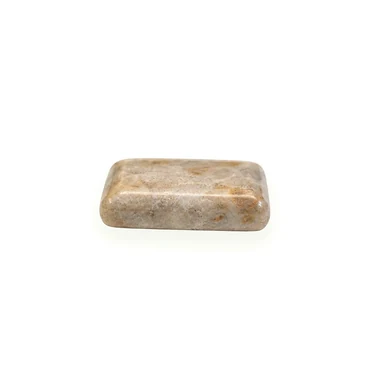
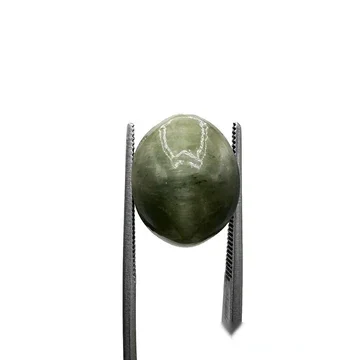
Each stone on our chalcedony page is a single piece with its own photo, weight and price, like this 15.45 carat chalcedony. If you like the soft, milky look, white agate is a close relative; this 20.80 carat white agate makes a useful comparison, and the white agate collection has more. We deliver from Karachi to anywhere in Pakistan: Karachi itself usually in 1 to 2 working days, other major cities in 2 to 4. Pay Cash on Delivery after opening the parcel and checking the stone, and return unused stones within 7 days if they are not right.
Got a quote from somewhere else? Send us a photo of it on WhatsApp and we will tell you honestly whether it looks fair.
Shop the stones: chalcedony.
References