In this article

Written by Sameer
Reviewed on
Few stones cause more confusion in Pakistani markets than yellow topaz. The name gets used for genuine golden topaz, for citrine, for heated smoky quartz and now and then for yellow glass, and the word sunehla is stretched over more than one of them. On top of that, many people come to it as a cheaper alternative to pukhraj (yellow sapphire), which muddies things further.
This guide is for anyone buying a yellow topaz, particularly online. It covers how to judge colour, clarity, cut and size, what origin and treatment mean, how to be sure you are getting topaz and not quartz, and what to ask a seller before you pay.
Step one: make sure it's topaz
Topaz is a silicate mineral in its own right, hard at 8 on the Mohs scale and noticeably heavy for its size. Citrine is quartz, 7 on Mohs and lighter. Both come in the same golden yellow, and the trade has blurred them for years: "golden topaz", "Madeira topaz" and "Brazilian topaz" have all been used for citrine. Here in Pakistan, many dealers call citrine sunehla while others use the same word for topaz.
None of that is a reason to avoid either stone. Citrine is a lovely, affordable gem. It is just a different stone and should be priced as one. Ask the seller to write the mineral name, topaz or quartz, on the invoice. Our comparison of yellow sapphire and citrine and our guide to November's topaz and citrine explain how the three yellow stones differ.
Quick ways to tell topaz from citrine
- Weight in the hand. Topaz has a specific gravity around 3.5, against 2.65 for quartz. Two stones with the same face size feel different, and on a scale the topaz weighs more.
- Cleavage marks. Under a loupe, topaz may show small, flat, rainbow-like cleavage cracks. Quartz doesn't cleave that way.
- Polish and edges. Topaz takes a slick, very bright polish and keeps its facet edges sharp for years.
- Refractive index. A lab, or a jeweller with a refractometer, can separate them in seconds. This is the test to rely on.
Colour sets most of the value
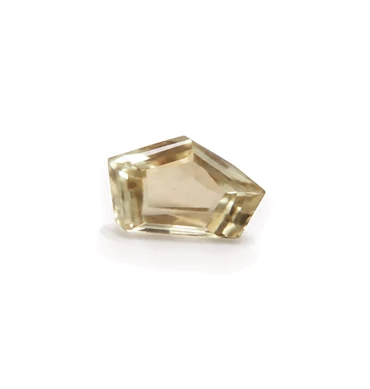
Yellow topaz runs from pale lemon through golden yellow to a deep orange-gold. The most prized shades are sold as imperial topaz: a rich golden orange, often with a pinkish or reddish flash. These carry a clear premium over plain yellow.
When you look at colour, check for:
- Saturation. A clear, definite gold beats a washed-out pale yellow.
- Tone. Medium to medium-dark is usually the most attractive. Very dark brownish stones look muddy indoors.
- Evenness. Darker and lighter zones can show face-up. A little is normal; strong patches lower the value.
- A brown cast. Many yellow topazes carry some brown. The less of it, the cleaner and more valuable the colour.
Look at the stone under ordinary room light and in daylight, not just under a jeweller's bright lamp, which flatters golden colours.
Clarity
Topaz is usually clean to the eye, and you can and should expect a yellow topaz to look clear without a loupe. Small crystals, liquid inclusions or fine feathers under magnification are normal. Visible cracks are a different matter, especially any that reach the surface, because of topaz's cleavage: a crack along that plane can spread after a knock. A stone with inclusions you can see should cost well below a clean stone of the same colour.
Cut
A good cut makes the colour glow evenly right across the stone. A poor one leaves a dull, see-through "window" in the middle, or dark, lifeless patches. Check:
- Brilliance. Tilt it. It should flash brightly from most of the face.
- Window. If you can read print through the centre, it was cut too shallow.
- Symmetry. An even outline and a straight, even girdle.
- Shape. Topaz crystals are long, so ovals, pears and emerald cuts are common and often give the best colour for the weight.
Size
Yellow topaz is available in big sizes, and the price rises steadily with weight rather than in big jumps. Five to ten carats is very wearable in a ring, and larger stones suit pendants. If you are buying by ratti, remember the standard gemstone ratti in Pakistan is 0.91 carat while the jewellers' sunari ratti is about 0.61 carat. Our carat to ratti converter helps you compare.
Origin
The best-known source of imperial topaz is around Ouro Preto in Brazil. Golden and yellow topaz also comes from Sri Lanka, Africa and elsewhere. Pakistan has its own topaz story too: Katlang, near Mardan, is known for pink to peach and orange-tinted topaz, and the northern areas produce colourless and pale stones. Our guide to Katlang pink topaz and the wider gemstone mines of Pakistan page tell that story. For most yellow topaz, origin matters less than colour. It is worth asking about, but only a laboratory can state it with confidence.
Treatment: what to ask
Several treatments affect yellow and golden topaz:
- Irradiation. Colourless topaz can be irradiated to yellow or brown, and some of these colours aren't stable and fade in sunlight.
- Heating. Some golden-orange topaz is heated to turn it pink. Heat is used less often to improve yellow.
- Coating. A thin surface film can add colour. Coatings scratch and wear away at facet edges over time.
Natural, untreated golden topaz with stable colour is worth more. Ask the seller to put any known treatment in writing. Some natural brown and sherry topaz can fade in strong sun as well; our topaz care guide explains how to protect it.
Yellow topaz in place of pukhraj
In Vedic practice, yellow topaz is often suggested as an uparatna, a substitute for yellow sapphire, Jupiter's gem. That is a belief, not a promise, and astrologers disagree about whether a substitute carries the same weight, so settle it with your own astrologer. Practically speaking, yellow topaz is softer than sapphire (8 against 9), gentler on the budget, and easier to find in large clean sizes. If you have been told to wear pukhraj specifically, our guide to pukhraj benefits and the yellow sapphire buying guide will help you compare.
Warning signs
- A very large, perfectly clean, deep orange stone at a low price. Fine imperial colour is scarce, and a bargain like that is more likely citrine, coated topaz or glass.
- Colour that sits only on the surface. Run a loupe along the facet edges. Worn spots where the colour thins out suggest a coating.
- Round bubbles or swirl lines. These mean glass, not topaz.
- A seller who won't name the mineral. "Yellow stone", "sunehla" or "golden" on an invoice protects the seller, not you.
- A weight quoted with the stone still mounted. The setting adds weight you shouldn't pay stone prices for.
Setting and wearing it
Topaz is hard enough to shrug off daily scratches, but its perfect cleavage means a sharp knock at the wrong angle can split it. Pick a setting that guards the girdle and corners: a bezel, a half bezel, or sturdy prongs with V-tips on pointed shapes. Yellow gold deepens the warmth of golden topaz, while silver and white gold make pale lemon stones look crisper. Take the ring off for the gym or heavy work, and ask the jeweller to remove the stone before any soldering. Our stone setting service page and the guide to silver and gold settings cover the options, and for sizing see the ring size guide.
Questions for the seller
- Is this topaz or quartz? Please write the mineral name on the invoice.
- Has it been irradiated, heated or coated?
- Is the weight for the loose, cut stone, in carats?
- Can you send a video turning the stone under ordinary room light?
- Are there any cracks that reach the surface?
- Can I get an independent lab report if I want one?
- Can I check it before paying, and return it if it isn't as described?
Buying yellow topaz online
Buying a gemstone online is safe when you can see the actual stone and check it before paying. Look for a listing that shows the stone itself, not a catalogue picture, gives the weight in carats and names the mineral. Compare the photo with a video if you can, because yellow stones photograph brighter than they look indoors.
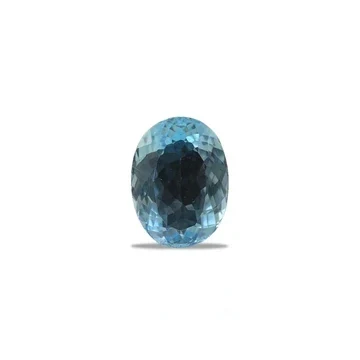
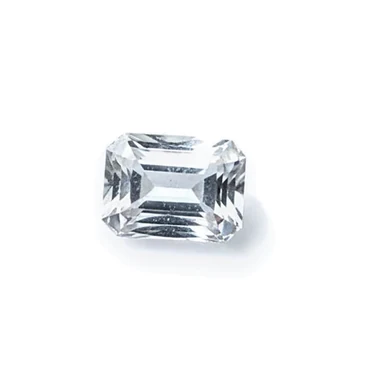
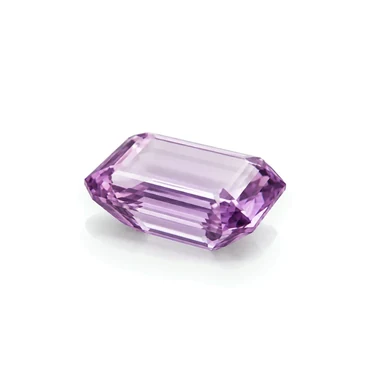
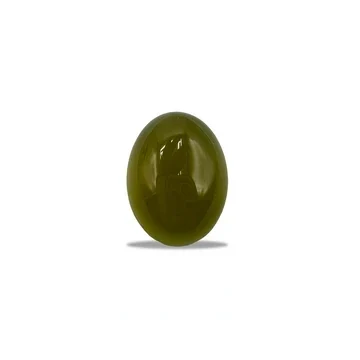
We photograph every stone on its own and price it on its own. Our topaz collection includes stones like this natural topaz, alongside blues such as the 12.60 carat blue topaz. For the same golden colour at a lower price, compare a 4.85 carat citrine; for the harder, more traditional stone, see a 2.25 carat yellow sapphire. Our yellow topaz price guide explains what each level of quality costs, and the yellow gemstones page shows every yellow stone together.
Orders leave Karachi with Cash on Delivery. Karachi addresses usually receive them in 1 to 2 working days, Lahore, Islamabad and the other big cities in 2 to 4, and the rest of Pakistan within about a week. Open the parcel, check the stone and pay the rider only if you are happy, and you have 7 days to return it.
Shop the stones: yellow topaz.
The beliefs mentioned on this page are traditions, shared for interest only. They are not guaranteed outcomes, religious rulings or medical advice.
References