

Where stones come from · Khyber Pakhtunkhwa
Katlang Pink Topaz: Pakistan's Naturally Pink Topaz کاٹلنگ کا گلابی ٹوپاز
In short: Katlang pink topaz is natural pink topaz mined at Ghundao hill near Katlang, in Mardan district of Khyber Pakhtunkhwa. It is one of the very few deposits anywhere where topaz is pink without heating or coating. A trace of chromium creates its pink to violet-pink colour, which does not fade in light. The crystals are mostly small, so clean faceted stones of a decent size are hard to find.
Katlang pink topaz is mined on a small hill near the town of Katlang, in Mardan district of Khyber Pakhtunkhwa. This is one of only a handful of places in the world where topaz grows pink naturally, with no heating or coating.
Most crystals are small, so a clean faceted stone of good size is hard to come by. Below we explain where it is found, why it is pink, how it compares with other pink topaz, how its origin and treatment can be checked, and how to buy it.
- Region
- Katlang, Mardan, Khyber Pakhtunkhwa
- Stone
- Topaz (pink)
- Host rock
- Calcite and quartz veins in limestone
- Colour cause
- Chromium, naturally present
- Known for
- Topaz that is pink by nature
- Typical size
- Small
- Watch for
- Pink topaz that is coated or heated
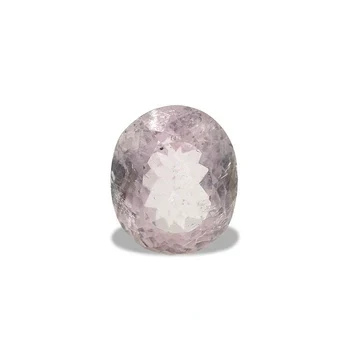
On the tray today
Shop pink topaz and pink stones
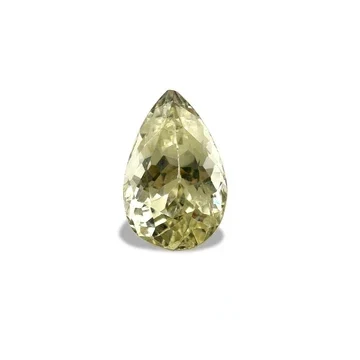
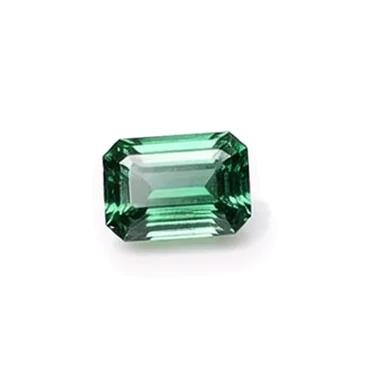
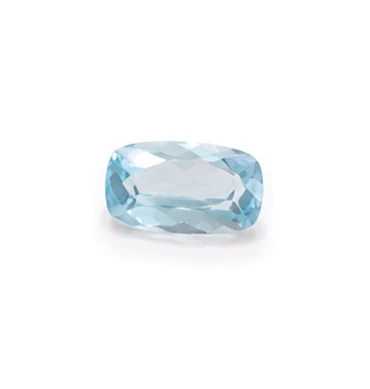
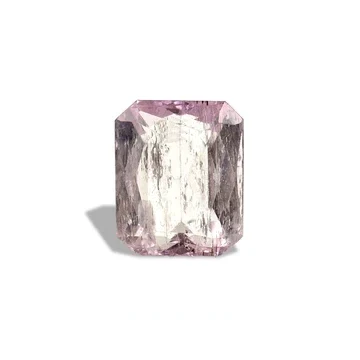

Written by Sameer
Reviewed on
Where the stone comes from
Drive north from Mardan and, just where the plains begin to climb towards Buner and Swat, you reach Katlang. The topaz is mined at Ghundao hill nearby, a low ridge of limestone and similar rock threaded with veins of calcite and quartz. It is a small deposit, worked through pits and short tunnels that follow the veins.
The high mines of Kohistan and Gilgit-Baltistan can only be worked for part of the year, but Katlang sits near roads and towns, so miners can reach it for much longer. The rough is sold locally and in Peshawar, where most of it is also cut.
The geology, simply put
Topaz is an aluminium silicate containing fluorine. Most of the world's topaz forms in granite pegmatites, the same type of rock that produces Gilgit-Baltistan's aquamarine, and most of it is colourless, pale blue or brownish.
Katlang breaks that pattern. Its topaz grew inside calcite and quartz veins cutting through limestone, which is an unusual home for topaz. The fluids that deposited it carried a trace of chromium, the same element that colours ruby and emerald, and that chromium gives Katlang topaz its natural pink to violet-pink. Some crystals also show peach, orange or sherry tones.
Since chromium is the source of the colour, the colour holds steady in light. Brown and sherry topaz from some other deposits can fade in strong sun, but chromium pink stays put.
A brief history
The gem trade became aware of the Katlang deposit in the later part of the twentieth century, and it has produced pink topaz in small quantities ever since. It drew attention quickly, because naturally pink topaz is so rare; most pink topaz sold worldwide is made pink by heating or coating. Production has always been small and uneven, with good years and thin ones. We do not quote output figures, since no reliable record of them exists.
How Katlang pink topaz looks
- Colour: pink, violet-pink and purplish pink, sometimes with peach or orange tones. The strongest, purest pinks are most sought after.
- Size: most crystals are small, often just one or two centimetres long. Faceted stones tend to be small, and clean stones of several carats are unusual.
- Clarity: inclusions and fractures are common, and eye-clean material is scarce.
- Crystal shape: short prisms with pointed or wedge-shaped tips, sometimes perched on white calcite. Collectors value good crystals.
- Pleochroism: as you turn the stone, you may notice slightly different pink or orange tones from different angles.
Katlang compared with other pink topaz
| Source or type | Where the pink comes from | Usual appearance |
|---|---|---|
| Katlang, Pakistan | Natural, caused by chromium | Pink to violet-pink, mostly small stones |
| Brazil | Some natural pink; much is golden "imperial" topaz heated to pink | Pink to orange-pink; larger stones are found |
| Russia (Urals), historic | Natural | Seldom seen on the market today |
| Coated topaz, any source | A thin surface coating over colourless topaz | Even, bright pink; the coating can wear away |
What can and cannot prove origin
As with any gem, neither a seller's word nor a stone's colour proves it came from Katlang. A laboratory can confirm that a stone is topaz and whether its colour is natural, heated or coated, and it may note the chromium behind the colour. A firm origin opinion on topaz, however, is rare.
For a buyer, the more useful question is how the stone got its colour. Natural pink topaz, from Katlang or anywhere else, is a rare stone. Coated pink topaz is an attractive, inexpensive stone with a surface layer that can scratch or wear. Either is fine to buy, provided you know which one you are getting.
Spotting heated and coated pink topaz
- Coating: examine the facet edges through a loupe. On coated stones you may see fine scratches or worn patches where the colour is thinner, plus a strange rainbow sheen on the surface.
- Very bright, very even pink in a big, clean, cheap stone points to coating, or to another material entirely.
- Heating golden topaz to pink cannot be seen by eye; ask the seller, and get a valuable stone tested.
- Look-alikes: pink spinel, pink tourmaline, kunzite, morganite and glass can all be mistaken for pink topaz. A gem tester or a lab can separate them.
Practical advice for buying
- Expect small stones. Fine Katlang material is usually small. A large, clean pink topaz at a low price is unlikely to be natural Katlang stone.
- Look at colour in daylight. Aim for an even pink without heavy brown or orange patches, unless you like the peach tones.
- Remember cleavage. Topaz is hard but splits in one direction if struck. Pick a protective setting and avoid knocks; read topaz care.
- Get the colour origin in writing. Ask for natural, heated or coated to be written on your receipt.
- Use the right ratti. The standard gem ratti is 0.91 carat, while the jeweller's ratti is roughly 0.61 carat. Run quotes through the carat to ratti converter before comparing them.
- Test anything expensive. Independent lab testing can be arranged if you ask.
Cutting and caring for Katlang topaz
Because Katlang crystals are small and frequently fractured, cutters plan every stone around its clean areas. Many finished stones weigh well under two carats and are cut as ovals, pears and cushions to keep as much weight as possible. Topaz cleaves easily, so a crystal can split while being sawn or polished, another reason clean stones are scarce.
Once it is set, natural pink topaz is easy to live with. Wash it in warm soapy water with a soft brush, keep it out of ultrasonic and steam cleaners, and protect it from sudden heat. Coated pink topaz needs more care: avoid rough cloths and harsh cleaners that could wear away the colour layer.
Other natural pink stones
If pink is your colour, Katlang topaz is one of several natural options. Kunzite has a gentle lilac pink and comes in larger clean pieces, though strong sunlight can fade it. Pink tourmaline offers stronger colour and wears well. Pink spinel is bright and tough. Each is a different mineral with its own price and care needs, so always ask for the stone's name in plain words.
Pink topaz and the word Pukhraj
In Pakistan, Pukhraj normally means yellow sapphire. Topaz usually goes by its English name, although some bazaars loosely call it Pukhraj too. The two are different minerals with very different values, so make sure any quote clearly says topaz or sapphire. For more on yellow look-alikes see yellow sapphire vs citrine, and read our guide to November's topaz and citrine.
Pink topaz at Authentic Gems
Pink topaz has a category of its own on our site. If it is natural Katlang pink topaz you want, send us a message on WhatsApp and we will tell you honestly what we can find and how its colour has been checked. Browse pink topaz, our wider topaz range or kunzite for another natural pink, or read about lab-certified topaz.
References
Related
- Pakistan's Gemstone Mines: Where Each Stone Comes From
- Gemstone Origins: Where Our Favourite Stones Are Mined
- Topaz and Citrine for November: Katlang Pink, Treated Blue and Heated Quartz
- Topaz Is Hard but Not Unbreakable: A Care Guide
- Topaz With a Lab Report
- Natural Gemstones in Mardan
- November Birthstone: Topaz or Citrine
