In this article

Written by Sameer
Reviewed on
Traditional belief vs gemmology: anything on this page about luck, protection, planets, healing or religious tradition describes traditional and cultural beliefs — not proven effects, religious rulings or medical advice. A stone's identity, hardness, treatment and origin are gemmology, which a lab can test; the references at the end of the page cover that side.
For most people in Pakistan, a pearl is the softest stone they will ever wear in a ring. Nearly every piece of advice about wearing one follows from that, from the setting you choose to the point in your morning when you put it on. The traditional customs around moti, the finger, the metal and the day, sit on top of that practical foundation.
We cover both here. The customs come from Vedic astrology and long family practice, and we describe them as tradition, not as rules with promised results. The practical advice comes from how pearls actually behave: they scratch, they hate acid and perfume, and they need a setting that protects them.
Why how you wear it matters
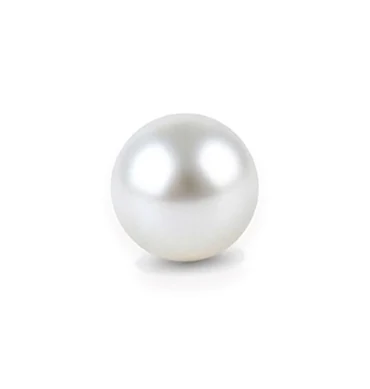
A pearl is built from thin layers of nacre laid down by an oyster or mussel. It is only about 2.5 to 4.5 on the Mohs scale, so sand, metal and even ordinary household dust can scratch it. Nacre is mostly calcium carbonate, and calcium carbonate reacts with acid. Sweat, lemon juice, vinegar, perfume and some cosmetics slowly eat into the surface and take the lustre with them.
So the goal is straightforward: wear the pearl where it will not get knocked, keep chemicals off it, and choose a setting that guards its edges. Do those three things and a pearl ring can last for decades.
Which finger
Vedic astrology gives the pearl to the Moon (Chandra). The finger named most often is the little finger, which the tradition associates with the Moon and with Mercury. Some astrologers recommend the ring finger instead, and some families keep their own long-standing custom. If you are wearing moti on an astrologer's advice, use the finger they name; the tradition is not uniform, and their reading is what you are acting on.
If you are wearing a pearl simply because you love it, pick the finger where it is least likely to be knocked. For most people that means the little or ring finger of the less active hand.
Which hand
The usual astrological instruction is the right hand for men and, in many families, the right hand for women too, though some traditions put it on the left hand for women. Again, follow your astrologer if you have one. In practical terms, the hand you write and work with takes more knocks, so a pearl on that hand needs a more protective setting.
Silver or gold
Tradition pairs pearl with silver more than any other metal, because silver is linked with the Moon. It is also the normal choice in Pakistan for men's rings, as many men avoid gold for religious reasons; if that concerns you, ask a scholar you trust. Silver is affordable, and its cool colour flatters white and cream pearls.
Gold is widely used as well, especially in women's rings and pendants. Yellow gold warms up cream and golden pearls; white gold or platinum suits white pearls with a rosy overtone.
The practical difference is wear. Silver is softer and tarnishes, and silver polish is hard on nacre, so clean the metal with a dry cloth instead of dipping the ring. Our silver versus gold settings guide goes into the choice of metal in more detail.
Day and time customs
These come from Vedic practice and are kept by many families here. They are traditions, not requirements, and we promise nothing about outcomes.
- Day: Monday, the Moon's day, is the traditional day to put on a pearl for the first time.
- Time: usually the morning, often soon after sunrise. Some astrologers prefer the evening, when the Moon rises.
- Lunar phase: many prefer the bright, waxing half of the lunar month, and a full-moon Monday is thought especially suitable.
- Preparation: the ring is often rinsed in clean water, or dipped briefly in raw milk mixed with water, before it is worn. If you do this, keep the dip short and rinse the pearl in plain water afterwards, because milk is slightly acidic and a long soak does nacre no favours.
Some astrologers also advise against setting pearl in the same ring as certain other planetary stones, such as hessonite (gomed) or cat's eye (lehsunia). If you wear several stones, ask your astrologer how to combine them. Our nine planetary stones page lists the traditional pairings, and the Cancer page covers the sign most linked with moti.
Pearl in Muslim homes
Pearl and coral are mentioned together in Surah Ar-Rahman, and moti has long been worn and given as a gift in Muslim households across the subcontinent. Whether a man may wear a pearl ring, and in which metal, is a question on which people follow different scholars. We do not give rulings; please ask a scholar you trust.
Choosing the weight
Astrologers usually give pearl weight in ratti. The gemstone ratti is 0.91 carat; the jeweller's sunari ratti is smaller, about 0.61 carat. Find out which one your astrologer means, then use our carat to ratti converter. Pearls are lighter than most gems for their size, so a pearl of a given weight looks bigger than a sapphire of the same weight. Ask for the diameter in millimetres so you know how it will look on your finger.
Setting a pearl ring
Nothing you do protects a pearl more than the right setting.
Bezel or cup
A metal rim around the pearl shields its sides from knocks. This is the best choice for a ring worn daily, and especially for a man's ring. An open back, where the base of the pearl touches the skin, is the usual astrological request and works well with a bezel.
Peg
Many pearl rings use a small metal post that fits into a half-drilled hole, held with jeweller's glue. It shows more of the pearl and suits women's rings and pendants. The glue is the weak point, so do not soak the ring, and get the pearl checked if it ever feels loose.
Prongs
Claws can hold a round pearl, but sharp tips can rub away the nacre, and a pearl that turns in its prongs wears unevenly. If you want prongs, ask for smooth, rounded tips.
Ask the jeweller to set the pearl only after all heating and polishing is finished, because a torch can crack or discolour nacre. Our stone setting service page explains how to get a loose stone set.
Care while you wear it
- Last on, first off. Put the ring on after perfume, attar, cream and hairspray have dried. Take it off before washing up, cooking with lemon or vinegar, cleaning, swimming or the gym.
- Wudu and washing. Plain water does little harm to pearls; soap does. Many wearers slip the ring off for wudu and handwashing and put it back once their hands are dry. If you keep it on, dry it afterwards with a soft cloth.
- Wipe it after wearing. A quick wipe with a soft, slightly damp cloth removes sweat before it can dull the surface.
- Store it alone. Give the ring its own soft pouch; harder stones in the same box will scratch it.
- Let it breathe. Do not seal pearls in airtight plastic for long. A cloth pouch is better.
- Keep it out of the heat. Never leave a pearl ring on a car dashboard in a Karachi summer. Heat and very dry air can crack nacre.
Our full gemstone care guide has more on cleaning softer stones.
Signs your pearl needs a jeweller
Every few weeks, look at the pearl in good light. Dull patches where the shine has gone, a chalky feel, small chips near the bezel rim, or a pearl that wobbles on its peg all mean a trip to the jeweller. Lost lustre cannot be polished back, so it pays to catch wear early.
A pendant or earrings instead
If your hands are busy all day, with cooking, workshop work, sport or small children, a ring is the hardest place for a pearl to survive. A pendant or a pair of studs stays away from knocks and soap, and the pearl keeps its lustre far longer. The astrological tradition usually specifies a ring on a named finger, so check with your astrologer first if that is your reason for wearing it. As a gift, though, a pendant is often the kinder choice. Keep the clasp at the back of the neck so the pearl does not rub against a collar, and fasten it after your perfume has dried.
Choosing a pearl to wear
For a ring you will wear every day, pick a pearl with strong lustre and a clean surface on the part that will face up. A slightly flat base is not a fault in a ring stone; it actually sits better in a cup setting. Browse our natural pearl collection to compare individual stones, such as this 10.50 carat moti or this 12.05 carat moti. Our article on what decides a pearl's price explains lustre, nacre and shape, and June-born buyers will find more on the June birthstone page.
If you are following an astrologer's instructions, send them to us on WhatsApp along with the weight you were given. We will help you find a pearl that matches and suggest a setting that keeps it safe. We are in Karachi, so local orders usually arrive in 1 to 2 working days, and the rest of Pakistan is covered by Cash on Delivery too.
Shop the stones: pearl.
The beliefs described here are traditions, shared for interest. They are not guaranteed outcomes, religious rulings or medical advice.
References