

Choosing a gemstone
Which Gemstone Should I Wear? Five Ways to Decide مجھے کون سا پتھر پہننا چاہیے؟
In short: There are five main ways to choose a gemstone: by purpose, by zodiac sign or planet, by birth month, by a colour you love, or by budget. Traditions such as Vedic astrology and Persian and Muslim custom tie stones to qualities like protection or calm, but these are beliefs, not promises. Astrologers usually recommend stones from the full birth chart.
"Which stone should I wear?" is the question that lands on our WhatsApp more than any other. There is no one right answer, because people choose for different reasons: a tradition they follow, the month they were born in, a colour they love, or simply what the budget allows. This page lays out the five main ways to choose and links to a full guide for each. Use one, or mix two, then run through the practical checks at the end.
- Ways to choose
- Purpose, zodiac, birth month, colour, budget
- Hardest common stones
- Sapphire and ruby (9 Mohs)
- Dispatch
- Within 1 working day of confirmation
- Delivery
- Karachi usually 1–2 working days; other cities 2–4
- Payment
- Cash on Delivery
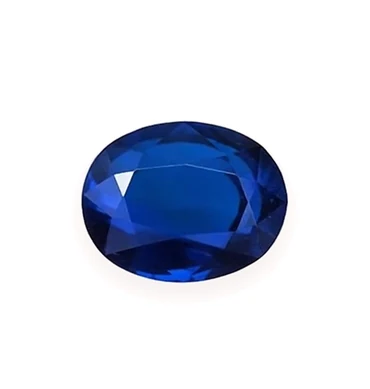
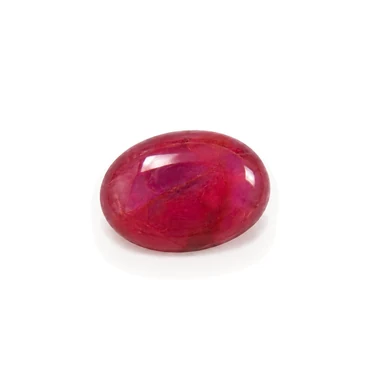
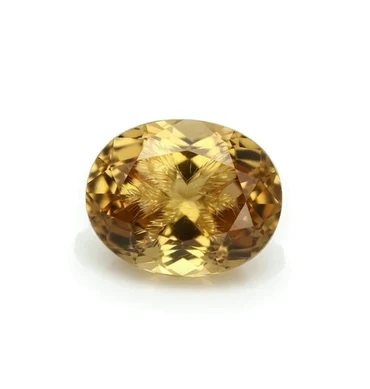
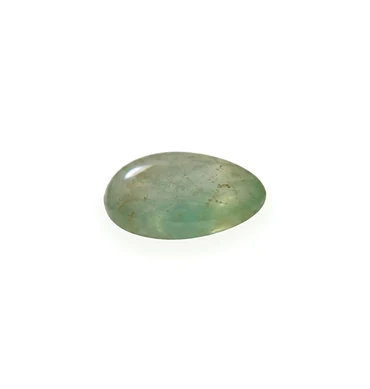
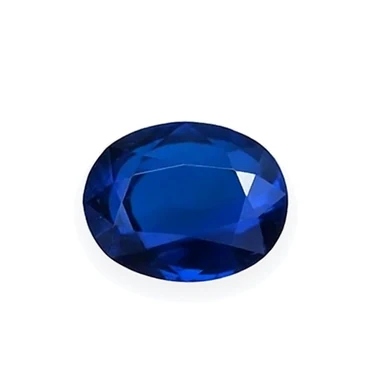
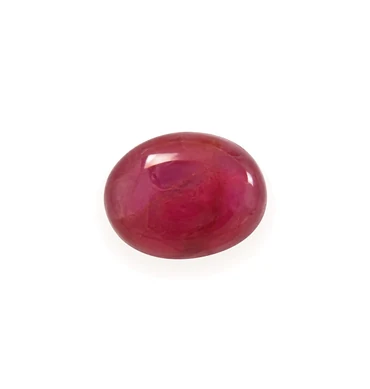
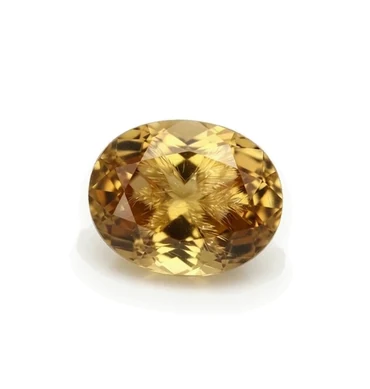
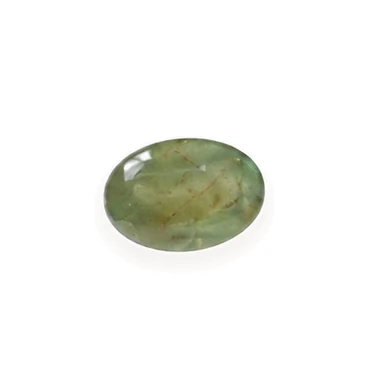
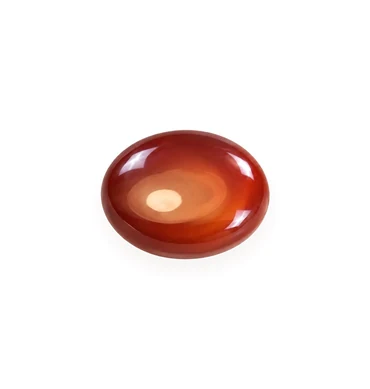
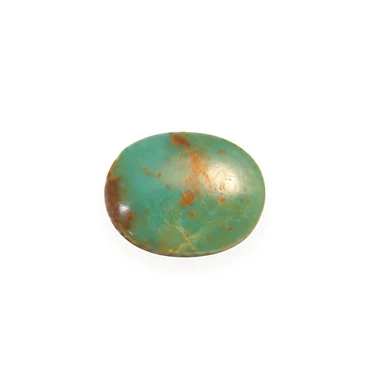
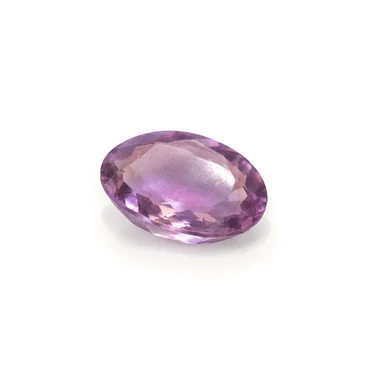
On the tray today
Start with a popular stone
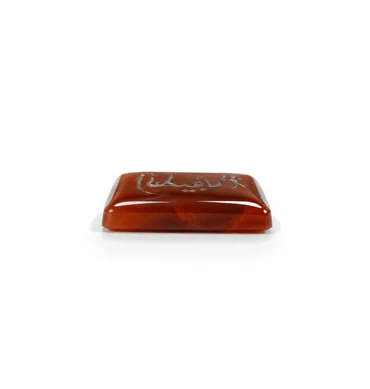
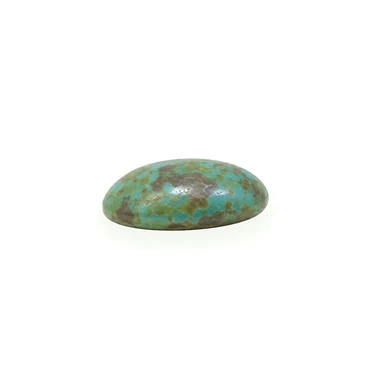
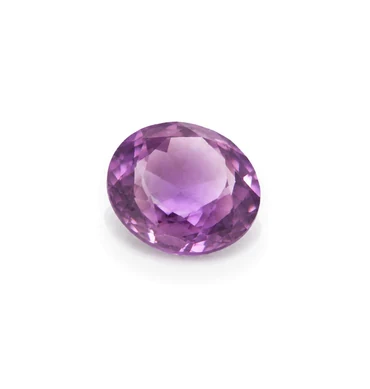
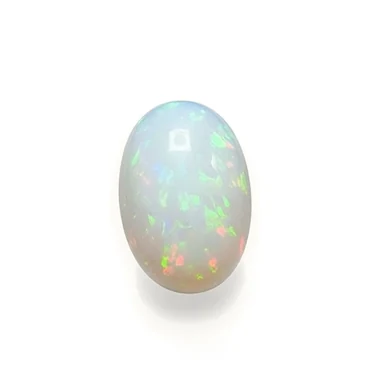

Written by Sameer
Reviewed on
Traditional belief vs gemmology: anything on this page about luck, protection, planets, healing or religious tradition describes traditional and cultural beliefs — not proven effects, religious rulings or medical advice. A stone's identity, hardness, treatment and origin are gemmology, which a lab can test; the references at the end of the page cover that side.
1. Start from what you want it for
A lot of people begin with what they hope the stone will stand for in their life. Different traditions, from Vedic astrology to Persian and Muslim custom, tie particular stones to particular qualities. These are beliefs many families hold, not promises of a result, but they make a meaningful place to start.
- Protection and against nazar: traditionally black agate, feroza, tiger eye and aqeeq.
- Confidence and success: traditionally pukhraj, yaqoot and citrine.
- Love and harmony: traditionally emerald, moonstone, opal and rose-coloured stones.
- Calm and focus: traditionally amethyst, pearl and moonstone.
- Wealth and prosperity: traditionally pukhraj, citrine and emerald.
- Spiritual stones: aqeeq, Dur-e-Najaf, Moh-e-Najaf and feroza.
You will find the complete list on our gemstones by purpose page.
2. Go by zodiac sign or planet
Vedic astrology gives every rashi a ruling planet, and every planet a stone: yaqoot for the Sun, moti for the Moon, marjan for Mars, zamurd for Mercury, pukhraj for Jupiter, white sapphire or opal for Venus, neelam for Saturn, gomed for Rahu and lehsunia for Ketu. An astrologer will normally recommend a stone from your full birth chart rather than your sign alone, and some stones, neelam above all, are traditionally approached with caution. Begin with our zodiac gemstones guide and the nine planetary stones.
3. Go by birth month
The modern birthstone list hands each month one or two stones: garnet for January, amethyst for February, aquamarine for March, and on through the year to tanzanite and feroza in December. Birthstones are simple and personal, they make easy gifts, and you need no astrology at all. See our birthstones by month page.
4. Go by colour
Many people just pick the colour they love, or the one that works with their clothes and skin tone. That is a perfectly sound reason. Our shop by colour pages put stones together by shade: blue, green, red, yellow, purple, white and black. Prices vary a lot within a single colour, so shopping by colour is a good way to find an affordable stand-in for an expensive stone.
5. Go by budget
Decide on a figure first and choose inside it; it saves you from disappointment later. Browse under 5,000 rupees, 5,000 to 20,000, 20,000 to 50,000 or over 50,000. Our monthly price guide explains what each stone typically costs, and natural gemstones under 5,000 rupees picks out good-value options.
Islamic tradition
Many Muslims in Pakistan choose aqeeq, feroza, Dur-e-Najaf or yaqoot because of their place in Muslim tradition, and men usually wear them in silver. See our Islamic gemstones page. For religious questions, ask a scholar you trust.
Then think about the practical side
Can it cope with how you live?
For a ring you will wear every day, the Mohs hardness scale is a helpful guide.
| Stone | Mohs hardness | Daily ring wear |
|---|---|---|
| Neelam, yaqoot, pukhraj (corundum) | 9 | Excellent |
| Topaz | 8 | Very good |
| Emerald, aquamarine | 7.5 to 8 | Good, though emerald is brittle |
| Aqeeq, amethyst, Dur-e-Najaf (quartz family) | 6.5 to 7 | Good |
| Feroza, opal, lapis lazuli | 5 to 6.5 | Needs care and a bezel |
| Pearl, red coral | 2.5 to 4 | Gentle wear only |
Is it natural, and are treatments disclosed?
Every stone we sell is natural, and any treatment we know about is stated on the listing. We can provide a certificate on request and arrange independent lab testing; see lab-certified gemstones and real or fake.
Ring, pendant or loose stone?
We set the stones we sell in 925 silver rings to order; see our stone setting service and ring size guide. Loose stones leave us within 1 working day of confirmation and usually reach Karachi in 1–2 working days and the other major cities in 2–4, with Cash on Delivery anywhere in Pakistan.
Mistakes worth avoiding
- Jumping at a cheap "per ratti" rate without asking which ratti the seller means.
- Putting a soft stone like opal or feroza in a ring you will wear while working with your hands.
- Buying an astrological stone without checking with the person you consult.
- Paying for a stone when you have not seen a clear photo of that exact piece.
Still not sure? Send us your purpose, date of birth or favourite colour, plus your budget, on WhatsApp, and we will suggest a few stones with photos.
References
Related
