
Stones in Muslim tradition
Muharram and the Stones of Remembrance: Aqeeq, Najaf Stones, Feroza and Tasbih محرم اور اسلامی پتھر
In short: In Muharram, many people in Pakistan choose a ring or a tasbih in aqeeq, Dur-e-Najaf or feroza, stones that hold meaning in Muslim tradition. Aqeeq is the one most closely bound to that tradition, and many men wear it in silver on the right hand. A stone bought at this time is usually meant for one's own worship and remembrance.
Muharram opens the Islamic year. For many Muslims in Pakistan, and above all for Shia Muslims, its first ten days are a time of mourning and of remembering Imam Husain (AS) and his companions at Karbala, culminating in Ashura on the tenth. In these days many people turn to prayer, majalis and dhikr, and some choose a ring or tasbih in a stone that means something to them. This page explains those stones and customs plainly. It does not give religious rulings; for those, please ask a scholar you trust.
- Main stones
- Aqeeq, Dur-e-Najaf, Moh-e-Najaf, Feroza
- Usual metal for men
- Silver
- Dispatch
- Within 1 working day of confirmation
- Delivery
- Karachi 1–2 working days; other cities 2–7
- Religious rulings
- Please ask a scholar you trust
On the tray today
Stones of Muslim tradition
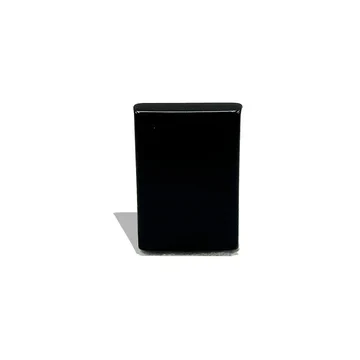
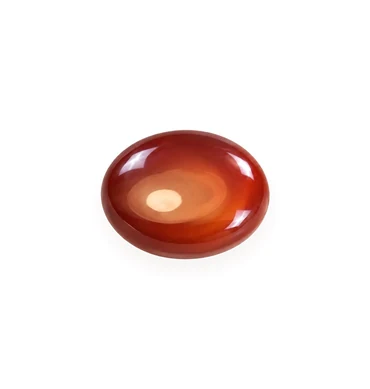
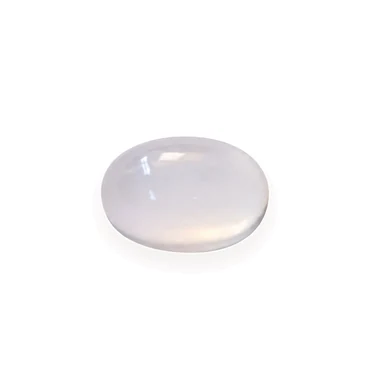
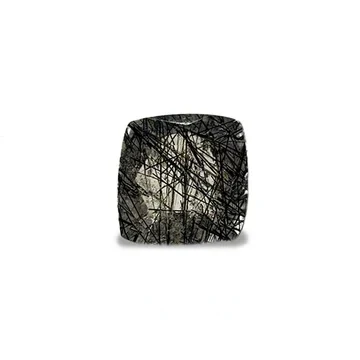
AqeeqDur-e-NajafMoh-e-NajafFerozaRed AgateSulemani AgateBlack Agate

Written by Sameer
Reviewed on
Traditional belief vs gemmology: anything on this page about luck, protection, planets, healing or religious tradition describes traditional and cultural beliefs — not proven effects, religious rulings or medical advice. A stone's identity, hardness, treatment and origin are gemmology, which a lab can test; the references at the end of the page cover that side.
A month for remembrance, not festivity
In the early days of Muharram, many families hold off on weddings, celebrations and festive presents, and many dress in black. A stone bought during these days is normally for the buyer's own worship and remembrance rather than a gift. If you are buying for someone else, a simple tasbih or a plain silver ring, given quietly, is the respectful choice. Customs vary from family to family and community to community, so follow what your own household does.
Aqeeq
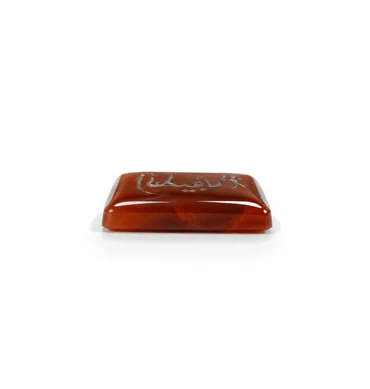
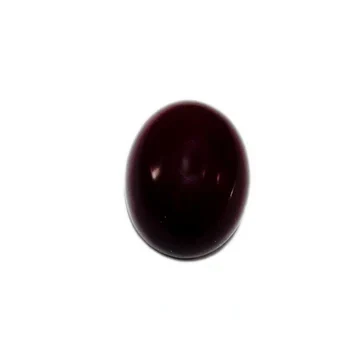
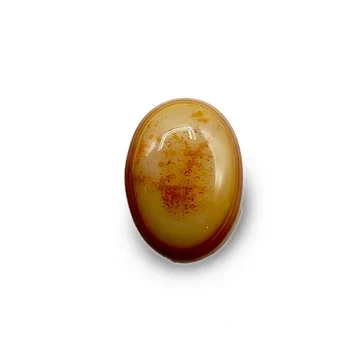
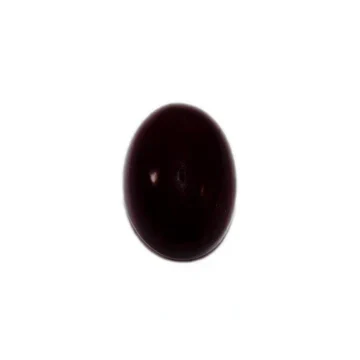
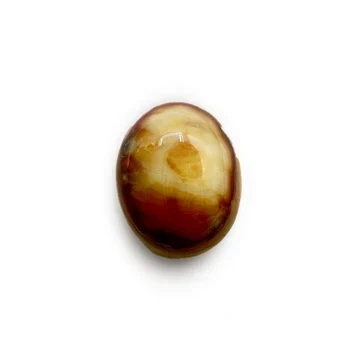
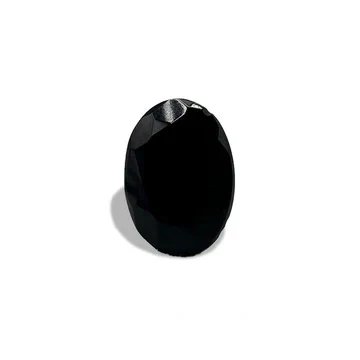
No stone is tied more closely to Muslim tradition in Pakistan than aqeeq (agate). Well-known narrations speak of wearing aqeeq, and they are held in especially high regard in Shia tradition; many men wear an aqeeq ring in silver on the right hand. Red and brownish-red stones, often called Yemeni aqeeq, are most in demand, though black, white and yellow aqeeq are worn too. Many people have a name, a prayer or a verse engraved on the stone. If you would like engraving, tell us on WhatsApp before you order so we can advise you.
Aqeeq is also among the stones most often dyed or faked. Read our guide to spotting dyed and glass aqeeq and our page on aqeeq for men, and browse aqeeq, red agate and Sulemani agate.
Dur-e-Najaf
Dur-e-Najaf, meaning "the pearl of Najaf", is clear, colourless quartz. The name links it to Najaf in Iraq, home of the shrine of Imam Ali (AS), and tradition associates the stone with the land around that city. Shia Muslims in particular hold it dear, and it is often worn in silver or strung as a tasbih. Being clear, it is easily copied in glass, so make sure you buy a natural stone; our post Dur-e-Najaf: rock crystal, glass or zircon explains the checks. See also our Dur-e-Najaf page and the Dur-e-Najaf collection.
Moh-e-Najaf
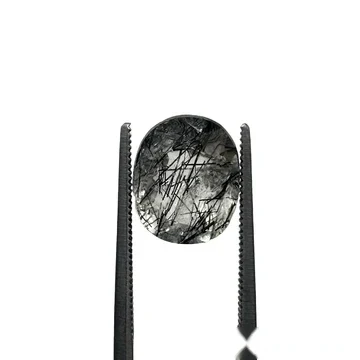
Moh-e-Najaf is quartz holding fine needles of rutile that look like strands of hair, which is where the name comes from. People wear it for the same associations as Dur-e-Najaf. Read how the two Najaf stones differ and visit the Moh-e-Najaf page.
Feroza
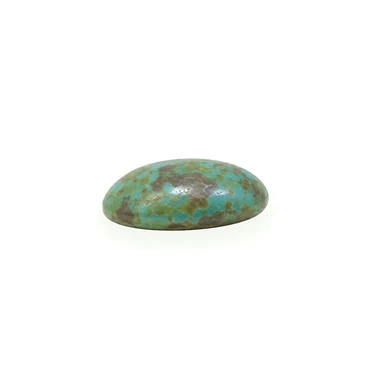
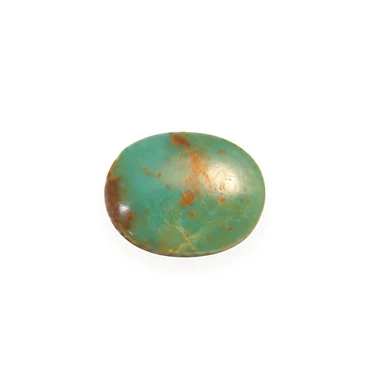
For centuries Feroza (turquoise) has been prized across the Muslim world, above all the sky-blue stone of Nishapur in Iran. Many Muslims wear it set in silver, and narrations and family customs are connected with it. Feroza is soft and porous, so it needs a protective bezel and careful handling. See Feroza in Muslim tradition and our Feroza ring page.
The tasbih
Muharram is a month of extra dhikr for many people, and a good tasbih gets used every day. The tasbih of Sayyida Fatima (AS), which many Muslims recite after salah, is Allahu Akbar 34 times, Alhamdulillah 33 times and SubhanAllah 33 times. Tasbih are made in aqeeq, Dur-e-Najaf, Feroza and other stones. Many people also treasure a tasbih of turbah from Karbala; that is clay rather than stone, and we do not sell it. Browse our tasbih collection and read which tasbih stone to choose.
Ring, finger and metal
In Muslim tradition, men usually wear rings in silver, since many scholars advise men against gold, and many wear their ring on the right hand. We set the stones we sell in 925 silver rings made to your size; see our stone setting service and ring size guide. Questions about which hand or finger, or the rulings on engraving and wearing a ring during prayer, are best put to a scholar you trust.
Ordering in good time
Many people like to have their ring or tasbih in hand before the month starts. After we confirm your order by phone or WhatsApp, loose stones and tasbih leave our Karachi base within 1 working day by insured, tracked courier. Karachi deliveries usually take 1–2 working days, other major cities 2–4, and smaller towns up to about 7. A ring needs extra making time, which we confirm on WhatsApp, so order a few weeks ahead. Couriers can slow down around the Ashura holidays.
Buying a genuine stone
Every stone we sell is natural, photographed and priced by itself, with known treatments stated. A certificate is available on request, and independent lab testing can be arranged. With Cash on Delivery you open the parcel and check the stone before paying. Our Islamic gemstones and spiritual gemstones pages go into these stones in more depth.
References
Related